
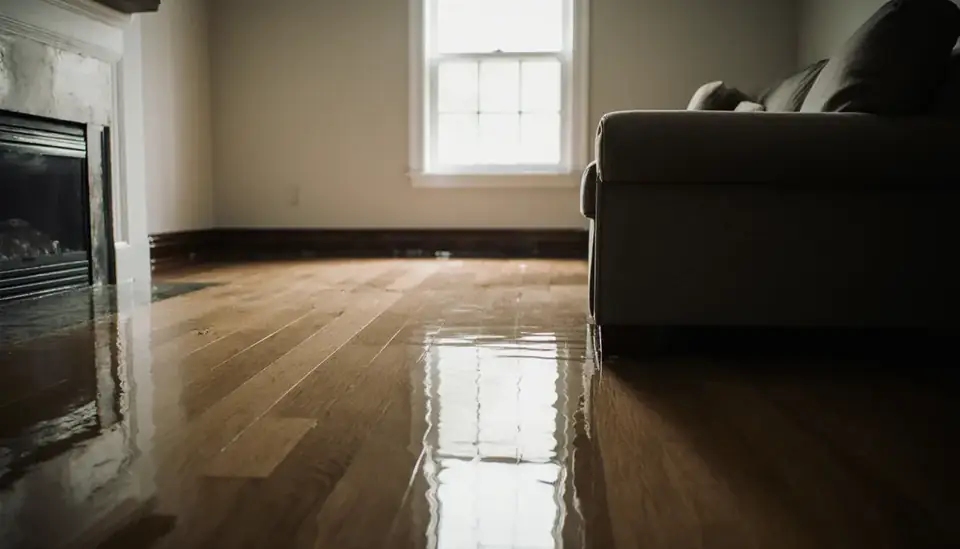
Twelve miles south of Eugene along Interstate 5, Creswell is a small, mostly owner-occupied town at about 541 feet, with the Coast Fork of the Willamette flowing past town and the Emerald Valley golf course along its west bank. The town grew up around a store that opened in 1872 and incorporated in 1909. Today it is largely single-family homes, many on crawl spaces, and about three of every four homes are lived in by their owners, so most water problems land directly on the household that has to fix them.
The Restoration Job is a no-cost referral service for property owners. Call (888) 317-9980, any day or hour, and we will connect you with an independent restoration provider that serves Creswell. That company does the assessment, the cleanup and the repair, and sets its price with you.
How the call works: when you call (888) 317-9980, The Restoration Job connects you with an independent restoration provider that serves Creswell. That provider inspects the damage, explains the scope and quotes the work. The Restoration Job doesn't perform restoration itself. Read our referral disclosure.
The Coast Fork Between Cottage Grove and Goshen
The Coast Fork runs out of Cottage Grove Lake, picks up the Row River at Cottage Grove and flows north past Creswell toward its meeting with the Middle Fork near Eugene, draining about 666 square miles along the way. Cottage Grove Dam, completed in 1942, and Dorena Dam on the Row hold back much of the winter runoff, but the river still rises in big storms. The nearest Weather Service forecast point, downstream at Goshen, recorded 17.17 feet in November 1996 and 15.32 feet, moderate flood stage, on March 17, 2025.
Most of town sits on higher ground than the river, so the greater risk is for rural homes, outbuildings and low parcels near the riverbank and along the smaller creeks that feed it. If a high-water forecast covers the Coast Fork, move vehicles, valuables and paperwork up, and know your route out.
November to January, the Wet Stretch
Creswell gets roughly 43 inches of precipitation a year, and November through January are the wettest months. Winter lows hover just above freezing on average, so the main threats are steady rain and saturated ground rather than deep cold, although freezing snaps do happen. Typical results include roof leaks after windy storms, gutters that overflow next to the foundation, and crawl spaces that collect groundwater. Water heaters in garages and older supply lines round out the list.
After a storm, check the attic and the ceiling corners in upstairs rooms, and look under the house with a flashlight. Catching a slow leak before it soaks insulation and joists keeps the eventual water damage repair smaller.
How a Restoration Visit Usually Unfolds
Once you call, a restoration provider will typically:
- Find and stop the source, or confirm floodwater has receded.
- Photograph and log the damage for your insurer.
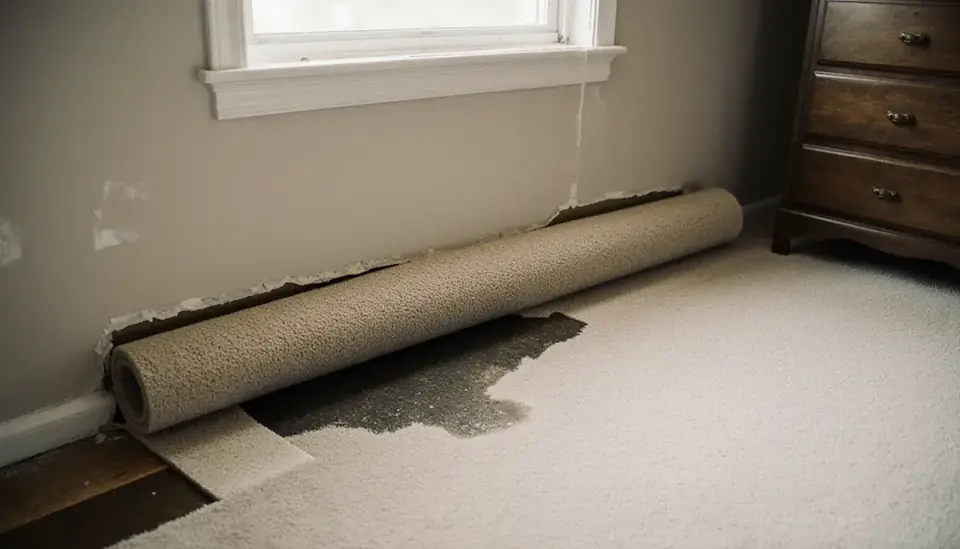
- Extract standing water and remove carpet pad or drywall that cannot be saved.
- Set dehumidifiers and air movers and take daily moisture readings until walls, floors and framing are dry.
- Hand off to repairs or rebuild once the structure is confirmed dry.
In a house on a crawl space, ask that the subfloor and joists be measured too. Moisture that settles below the floor is the part most often missed, and thorough structural drying covers it.
Mold Risk in a Damp South-Valley Winter
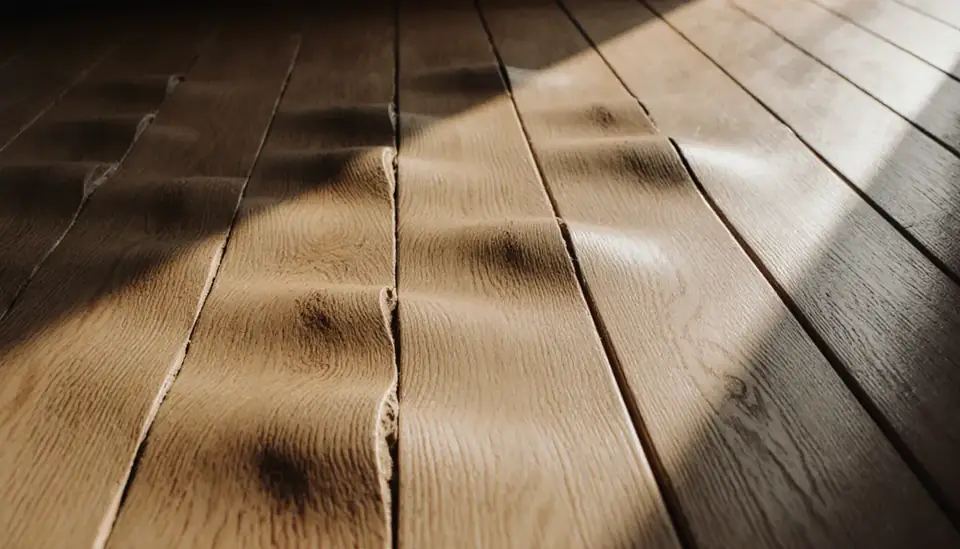
Cool, wet months give mold an easy start in anything that stays damp. Wet drywall, the backs of cabinets and crawl-space insulation can show growth within a few days if they are not dried. Signs include a musty odor, dark spots near baseboards and warped flooring. Drying within the first day or two prevents most of it; if growth is already present, removing the affected material under containment works better than bleach or paint.
Coverage Questions for Homeowners
Because most Creswell homes are owner-occupied, the insurance decision usually rests with the person living there. A standard homeowners policy often covers sudden plumbing failures but excludes flooding from rivers or surface runoff, which needs a separate flood policy. Look up your parcel on FEMA's Flood Map Service Center, and register for Lane Alerts so county flood warnings reach you by text, call or email.
Neighborhoods and Nearby Communities
The same line also serves nearby communities such as:
- Cottage Grove
- Springfield
- Eugene
- Goshen
- Pleasant Hill
- Saginaw
Questions From Creswell Property Owners
Is Creswell at risk from the Coast Fork of the Willamette?
The Coast Fork flows past Creswell, and upstream dams at Cottage Grove Lake and Dorena Lake reduce its peaks. Most of town sits above the river, but low-lying rural property near the water can flood in major storms. The Weather Service gauge at Goshen reached moderate flood stage in March 2025. Check FEMA's flood map for your address.
What should I do if water is coming into my crawl space?
Find out whether it is coming from outside or from plumbing. If a pipe is leaking, shut off the main. Then get the water pumped out and the framing checked with a moisture meter. Standing water under a house raises humidity everywhere above it. Fixing gutters, downspouts and grading often prevents it from happening again.
Is a household wet vac and a box fan enough for a minor leak?
A small, clean-water spill caught right away can sometimes be handled with towels, a wet vacuum and fans. Once water has soaked into drywall, carpet pad, insulation or subfloor, home equipment rarely gets it dry enough, and hidden moisture leads to mold. A provider can measure moisture inside walls and floors to tell you whether it is truly dry.