

The McKenzie River marks Springfield's northern edge, the Middle Fork of the Willamette runs along its southern side, and Interstate 5 is about all that separates the city from Eugene. Springfield grew as a timber town, with Weyerhaeuser opening a big mill complex here in 1949, and much of the housing reflects that history: modest older homes near Downtown and the Washburne Historic District, postwar ranch houses, and newer subdivisions out toward Gateway and East Kelly Butte. Each of those building types handles a wet Oregon winter differently.
Our role is limited to the phone connection: The Restoration Job is a free referral service, and the restoration work is done by independent companies. Call (888) 317-9980, day or night, and we will put you in touch with a provider that serves Springfield. The provider assesses the damage and works out the job and the price with you.
How the call works: when you call (888) 317-9980, The Restoration Job connects you with an independent restoration provider that serves Springfield. That provider inspects the damage, explains the scope and quotes the work. The Restoration Job doesn't perform restoration itself. Read our referral disclosure.
Three Rivers on the City's Edges
Springfield sits where several rivers come together, and each behaves differently. The McKenzie, which supplies drinking water for roughly 200,000 people in the metro area, is heavily regulated by upstream dams such as Cougar and Blue River. The Coast Fork and Middle Fork of the Willamette meet a couple of miles southeast of downtown Eugene, right next to Springfield, and the Weather Service gauge on the Coast Fork at Goshen notes that at 13 feet low-lying ground floods from Cloverdale downstream to that confluence near Springfield.
On the main Willamette, the Eugene gauge description says that at 26 feet, moderate flood stage, water spreads along the right bank of the river in Springfield. That is the side where the Glenwood Riverfront area sits. Homes and businesses on low ground there, or near any riverbank, should treat high-water forecasts as a reason to move belongings up and check that sump pumps work.
The Mohawk River and the East Side
Northeast of town, the Mohawk River drains the hills toward the McKenzie, and it is the stream around Springfield with the most dramatic flood record. The Weather Service lists its highest crest near Springfield at 24.3 feet on November 1, 1960, followed by 23.11 feet on February 7, 1996, the same storm that flooded much of western Oregon. More recently it reached 17.32 feet on March 17, 2025, above the 15-foot level at which low areas and some rural roads start to flood. At 12.5 feet the river is already at bankfull in the Springfield area.
Properties on the rural fringe along the Mohawk and lower McKenzie tend to have crawl spaces, wells and septic systems, which complicates cleanup. Floodwater that reaches a septic field or crawl space should be treated as contaminated, and sewage cleanup procedures, not just drying, may apply.
Mill-Era Houses, Crawl Spaces and Slow Leaks
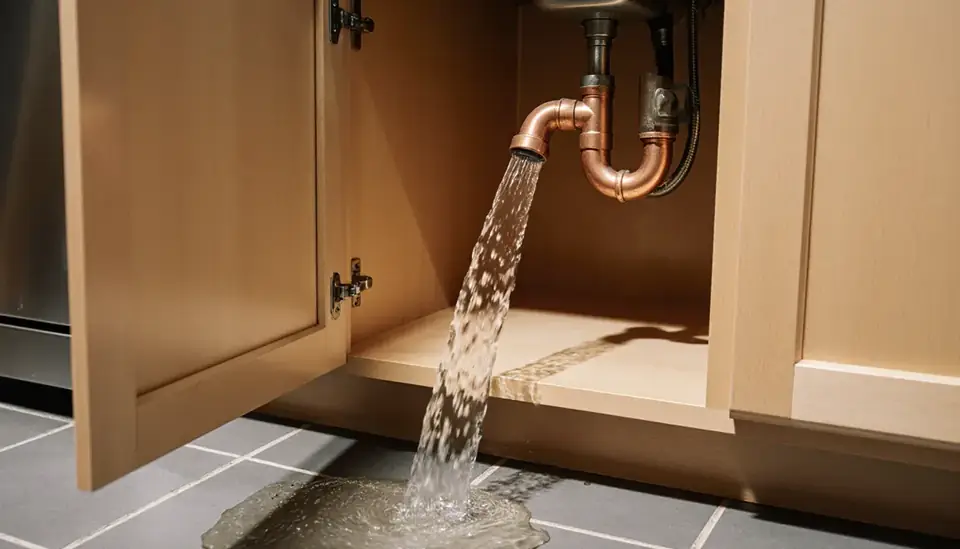
Plenty of Springfield homes date from the decades when the mills were running, and their weak points are predictable: galvanized or early copper supply lines, water heaters in closets or garages, original windows and roofs that have seen many wet seasons. Inside, the most common calls are for a failed water heater, a cracked toilet supply line or a washing machine hose, often found days later because the water drained into a crawl space instead of pooling on the floor.
- Shut the main valve and switch off breakers for any wet rooms.
- Look under the house with a flashlight; standing water or a soaked vapor barrier changes the scope.
- Take photos and video of every wet room for the insurance claim before cleanup starts.
- Have a provider measure moisture in subfloor and joists, not just carpet.
Thorough structural drying matters most in these houses because framing under the floor can stay wet long after the surface feels dry.
Stormwater, Drains and Low Spots in Town
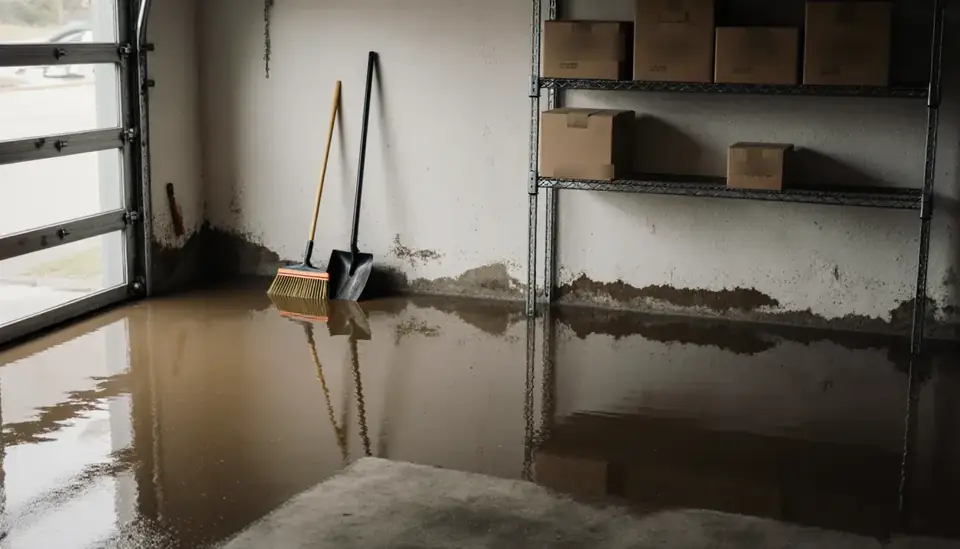
Inside the city, the more frequent flooding is not from rivers but from runoff during long storm cycles. Springfield runs its own stormwater program, including facilities like the Mill Race stormwater pond, but street drains can still fall behind when heavy rain lands on already saturated ground. Garages, sunken patios and basement stairwells collect the overflow. Keep gutters and the drain grates near your property clear before the wet season, and make sure downspouts carry water away from the foundation.
Keeping Mold From Settling In
The Willamette Valley's damp winter means wet materials dry slowly unless someone forces the issue with dehumidification. Drywall and wood that stay wet for more than a day or two invite mold, and closed-up crawl spaces are where it most often goes unnoticed. Musty odors, warped flooring or dark staining along baseboards are signs to have the area checked. If growth is confirmed, containment and removal of affected material is the reliable fix, covered on our mold remediation page.
Neighborhoods and Nearby Communities
Calls come in from across Springfield, including:
- Downtown
- Washburne Historic District
- Gateway
- Glenwood
- East Kelly Butte
- East Main
- Mid-Springfield
- Q Street
The same line also serves nearby communities such as:
- Eugene
- Creswell
- Cottage Grove
- Junction City
- Goshen
- Pleasant Hill
- Walterville
Common Questions
Is the Glenwood area more exposed to river flooding?
Glenwood and the Glenwood Riverfront sit along the Willamette on the west side of Springfield. The Weather Service notes that at moderate flood stage on the Eugene gauge, flooding is expected along the river's right bank in Springfield. Low parcels near the water are the most exposed. Check FEMA's flood maps for your specific address and sign up for Lane Alerts to get warnings.
Why did my crawl space flood when it has not rained hard?
A crawl space that fills without heavy rain usually points to plumbing: a supply line, drain line or water heater leak that has been running quietly. Shut off the main and look for wet insulation or dripping pipes. If the water rose during a long wet stretch, groundwater or poor drainage outside may be the cause, and a provider can help sort out which.
Does homeowners insurance pay for river water in my house?
Standard homeowners policies generally exclude flooding from rivers and surface runoff. Coverage for that comes through a separate flood insurance policy, and new policies usually have a waiting period before they take effect, so buying one when the river is already rising is too late. Sudden plumbing failures inside the home are a different matter and are often covered, subject to your policy terms.