
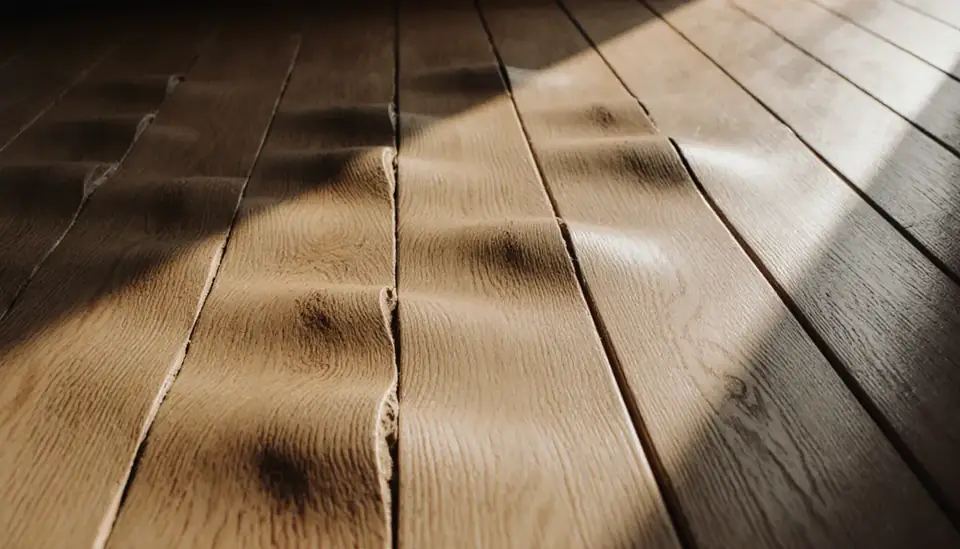
Silver Creek gives this town its name and its shape. The creek drops out of Silver Falls in the Cascade foothills, runs straight through Silverton and continues west to the Pudding River. The town began as a sawmill settlement called Milford in 1846 and was platted in 1854. It now has about 10,500 residents, a downtown commercial historic district, the 130-acre Oregon Garden and Frank Lloyd Wright's Gordon House, the only Wright-designed home in the Pacific Northwest open to the public.
For help with a leak, flood or storm-damaged roof, call (888) 317-9980 at any hour. The Restoration Job does not do the work itself; it is a no-cost referral line. We connect you with an independent provider that serves Silverton, and that provider works with you directly on the assessment and repairs.
How the call works: when you call (888) 317-9980, The Restoration Job connects you with an independent restoration provider that serves Silverton. That provider inspects the damage, explains the scope and quotes the work. The Restoration Job doesn't perform restoration itself. Read our referral disclosure.
Foothill Rainfall and a Creek Through Downtown
Sitting at about 266 feet, against the Waldo Hills to the south and the Cascade foothills to the east, Silverton gets more rain than much of the valley floor: roughly 40 to 50 inches a year, nearly all of it in fall and winter. Storms that stall over the foothills send water into Silver Creek and its neighbor Abiqua Creek, both of which feed the Pudding River. The city's emergency plan lists flooding among the hazards it prepares for, and its emergency management page links to information about the Silver Creek Dam upstream.
For most Silverton houses, that rain shows up less as creek flooding and more as water finding its way in: saturated yards draining toward foundations, gutters overflowing, and hillside runoff collecting along back walls. Properties close to the creek are the exception and should check the FEMA flood map. If creek water reaches the living space, flood cleanup involves removing porous materials it touched, because that water is not clean.
Older Buildings in the Commercial Historic District
Downtown Silverton's commercial historic district, home to the Palace Theater built in the early 1900s, is made up of older commercial buildings, and buildings of that era often have low-slope roofs, interior drains and shared walls. Water problems in these buildings tend to travel. A clogged roof drain or failed membrane can send water through an upstairs apartment into a ground-floor shop, and a burst pipe in one storefront can wick into the neighbor's wall. Owners and tenants should agree in advance on who to call and where each shutoff valve is.
Historic materials also change the cleanup approach. Plaster, old-growth trim and original floors can often be dried in place with careful monitoring instead of being torn out. Ask the provider about structural drying options before anything original is removed.

Winter Storms, Outages and Frozen Pipes
Marion County Emergency Management lists windstorms and winter storms with flooding, and the foothill edge of the county feels them early. Wind brings down limbs on roofs, ice coats lines and trees, and an outage during a cold snap leaves pipes in crawl spaces, garages and exterior walls at risk. Before a storm, insulate exposed lines and learn how to shut off your main. Silverton residents can sign up for Marion-Polk Alerts through the city to get severe weather and evacuation notices.
What Happens on a Typical Cleanup
- Confirm the source is stopped and the electrical system is safe.
- Take moisture readings to find the full extent of the wet area, including hidden spaces.
- Pull up standing water and haul out pad, insulation or drywall too far gone to save.
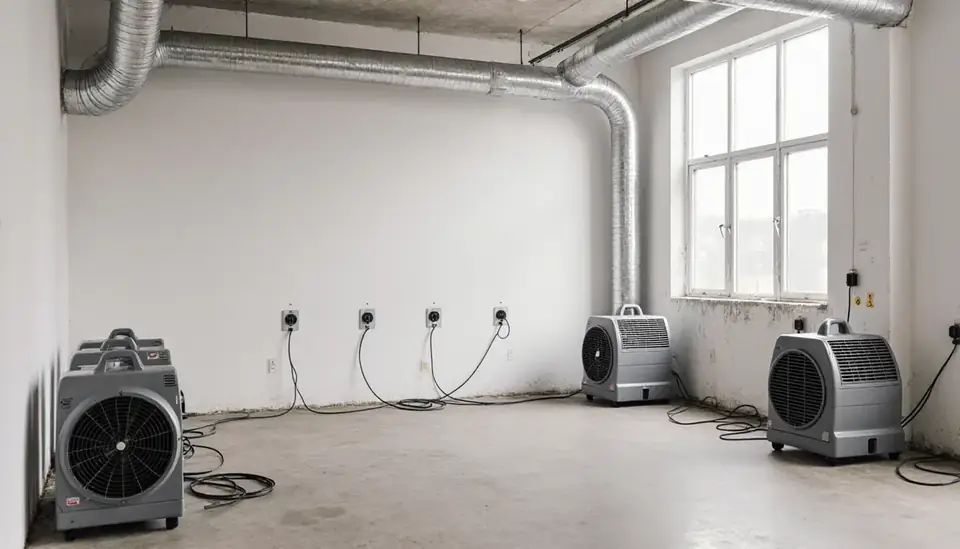
- Run dehumidifiers and air movers, checking readings daily.
- Rebuild only after materials test dry.
Keep receipts, photos and the provider's drying logs together for your insurance claim.
Damp Air and Mold in the Silver Creek Valley
The same wet season that soaks the foothills keeps indoor humidity high from fall to spring. Wet drywall, wood and insulation can develop mold within a day or two, and the long gray months give it time to spread unnoticed in crawl spaces and wall cavities. A lingering musty smell is the usual first sign. Drying wet materials fast prevents most of it, and growth that has already taken hold calls for containment and removal of the damaged material through mold remediation.
Areas In and Around Silverton
Calls come in from across Silverton, including:
- Commercial Historic District
The same line also serves nearby communities such as:
Frequently Asked Questions
Is Silverton in a flood zone?
Property along Silver Creek and the low ground toward the Pudding River carries the most flood risk, while much of Silverton sits higher. The only way to know for your address is FEMA's Flood Map Service Center. Even outside a mapped zone, river and surface flooding are not covered by homeowners insurance, so a separate flood policy is worth considering if you are near the creek.
How do I get emergency alerts in Silverton?
The city directs residents to Marion-Polk Alerts, an Everbridge system that sends notices about severe weather, major road closures, missing persons and evacuations. You can sign up through the city's Emergency Management and Preparedness page. The city also offers CERT training for residents who want to help neighbors during an emergency.
Will a provider tear out original plaster and old wood floors in a Silverton home?
Not necessarily. When the water was clean and drying begins within a day or so, plaster usually holds up better than drywall, and solid wood floors can sometimes be pulled back flat with drying mats and dehumidifiers. Water from a flood or sewer line is a different story, since contaminated materials generally need to be removed. Ask the provider to explain which items they plan to keep and why.