
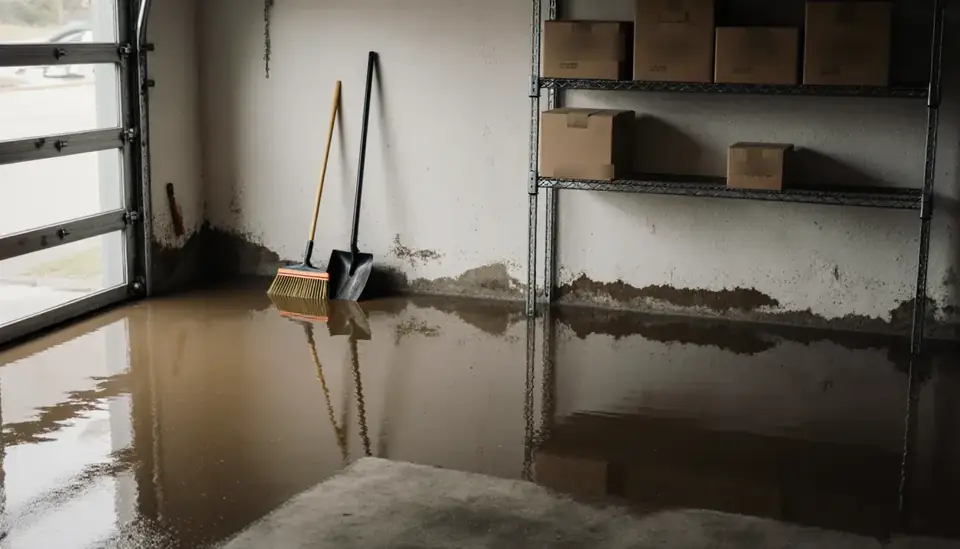
Little Butte Creek has shaped Eagle Point from the start. The water-powered Butte Creek Mill, built in 1872, sits beside it, and the creek still runs through the middle of the city on its way to the Rogue River about three miles downstream. The county's hazard plan names it plainly as the chief source of flooding in Eagle Point. The mapped floodplain inside city limits is not large, but the plan notes that damage there could be significant when the creek comes up.
Three out of four homes here are owner-occupied, so most people dealing with water damage are handling the claim, the cleanup and the repair decisions themselves. The Restoration Job can help with the first step. It is a free referral line, open 24 hours: call (888) 317-9980 and you will be connected with an independent restoration provider serving Eagle Point and the Highway 62 corridor.
How the call works: when you call (888) 317-9980, The Restoration Job connects you with an independent restoration provider that serves Eagle Point. That provider inspects the damage, explains the scope and quotes the work. The Restoration Job doesn't perform restoration itself. Read our referral disclosure.
Little Butte Creek: Eagle Point's Main Flood Source
The creek drains roughly 354 square miles, with its north fork starting at Fish Lake near Mount McLoughlin and its south fork in the hills below Brown Mountain. That is a big catchment feeding a small town, and when warm winter rain falls on Cascade snow, the water arrives in a hurry. Flooding in 1955 tore up the creek's meanders, and a fish ladder built in 2005 was destroyed by high water just three months after it went in. Jackson County's federal flood declarations, in 1964, 1974, 1997 and 2006, all came in the cold season.
When the creek enters a house or garage, it leaves silt and debris behind along with whatever it picked up upstream. That calls for a full flood cleanup: mucking out, removing soaked drywall and insulation, cleaning and disinfecting framing, and then drying before anything is closed back up.
Antelope Creek, Buchanan Ditch and the South Side
Little Butte Creek gets most of the attention, but the hazard plan also points to Antelope Creek on the south side of town and to Buchanan Ditch as flood risks. Ditches and small creeks overflow in a different way than a river: the water is usually shallower, but it spreads across yards, streets and driveways and finds its way into crawl spaces and attached garages. After a heavy storm, check under the house with a flashlight. Standing water or wet insulation hanging from the floor joists is a sign that drying needs to start soon, even if the rooms above look fine.

Reading the 2018 Flood Maps
Eagle Point's Flood Insurance Rate Maps were updated in 2018, and the city enforces a flood damage prevention ordinance. New construction in the mapped floodplain must be built with two feet of freeboard, meaning the lowest floor sits two feet above the base flood elevation, and critical facilities need three. The county plan counts two repetitive-loss properties in the city, both single-family homes.
For a homeowner, the practical steps are simple. Look up your address on the FEMA Flood Map Service Center, and if you are near the creek, ask your agent about flood coverage, which is separate from a standard homeowners policy. If you are rebuilding after a flood, ask the city about elevation requirements before you replace flooring or mechanical equipment.
Clean Leaks Versus Creek Water: Different Jobs
- Clean water from a supply line or water heater can often be dried in place if extraction starts within a day or so. Carpet, pad and drywall may be saved.
- Gray water from a washing machine or dishwasher overflow needs more cleaning, and pad is usually discarded.
- Floodwater and sewage are treated as contaminated. Porous materials that touched them are removed, and surfaces are cleaned and sanitized before structural drying.
Telling the provider exactly where the water came from helps them set the right plan from the start.

After the Water: Keeping Mold in Check
A house that took water during a winter storm can stay damp for weeks if nobody pushes the moisture out. Crawl spaces, the backs of closets and the bottoms of wall cavities are where mold usually starts. Run dehumidifiers, keep the heat on, and have moisture readings taken before walls are closed up. If growth has already appeared over a large area, containment and removal of affected materials are needed, along with a fix for whatever kept the area wet.
Areas In and Around Eagle Point
The same line also serves nearby communities such as:
- White City
- Shady Cove
- Medford
- Central Point
- Butte Falls
Questions From Eagle Point Property Owners
How do I know if Little Butte Creek could reach my house?
Start with the FEMA Flood Map Service Center, which shows the 2018 maps for Eagle Point. Homes along the creek and near Antelope Creek or Buchanan Ditch are the most exposed. Sign up for Jackson Alerts through Jackson County Emergency Management so you get warnings during big storms, and keep an eye on the National Weather Service Medford forecasts when heavy rain and snowmelt are expected.
Does my homeowners policy cover water from the creek?
Usually not. Standard homeowners policies typically exclude flood damage from rising creeks or surface water, which is covered by separate flood insurance. Sudden internal leaks, such as a burst pipe, are more often covered. Read your policy and call your agent. Whatever the coverage, photograph the damage and keep receipts for emergency cleanup.
Who handles a sewer backup in Eagle Point?
Rogue Valley Sewer Services maintains the public sewer lines in Eagle Point, but the line from the house to the public main is the owner's responsibility. The district suggests calling a plumber first. Treat any backup as contaminated: keep people and pets away, and have a restoration provider remove and sanitize affected materials.