
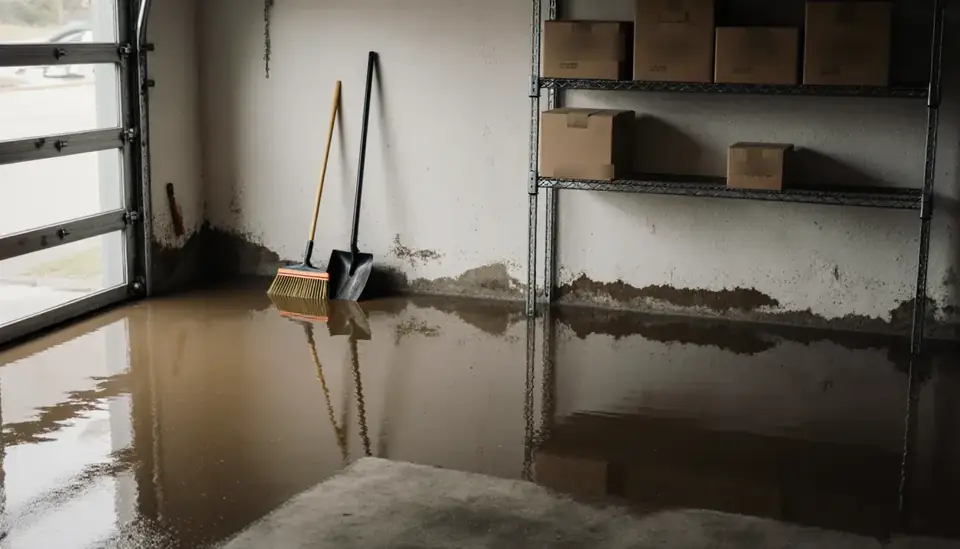
Before it was Roseburg, the settlement on the South Umpqua was simply called Deer Creek, after the stream that meets the river near downtown. Both waterways still shape where the city floods. The South Umpqua runs through the middle of town on its way to join the North Umpqua a few miles northwest, and Deer Creek drains the hills to the east. In March 2025, Deer Creek rose to the highest level on its National Weather Service gauge, a reminder that the smaller stream can be the bigger problem.
The Restoration Job is a free connection service and does not do the repair work itself. Our phone line, (888) 317-9980, is open day and night; we will put you in touch with an independent restoration provider that serves Roseburg and the surrounding Umpqua Valley. You arrange the inspection, scope and price directly with that company.
How the call works: when you call (888) 317-9980, The Restoration Job connects you with an independent restoration provider that serves Roseburg. That provider inspects the damage, explains the scope and quotes the work. The Restoration Job doesn't perform restoration itself. Read our referral disclosure.
Deer Creek, the South Umpqua and the Arizona Street Gauge Notes
Weather Service flood notes for the South Umpqua gauge in Roseburg are specific. At 22 feet, minor flooding reaches structures along Arizona Street and upstream of the downtown bridges. At 25 feet, water starts spreading along Deer Creek near where it enters the river. At 30 feet, flooding begins in town upstream of Oak Street. The river has topped 34 feet twice, in December 1950 and December 1964, and passed 30 feet again in January 1974.
Deer Creek has its own gauge and its own pattern. Residential flooding begins around the 10-foot mark, and by 11.5 feet water covers Douglas Avenue west of Dawson Road. Its record crest of nearly 16 feet came on March 16, 2025, ahead of the December 1981 and December 2015 peaks. A creek like this rises and falls in hours rather than days, which leaves little time to move belongings once it starts climbing.
A Short, Intense Rainy Season
Roseburg sees about 31 inches of precipitation in a typical year, and more than half of it falls from November through January. Summers are hot and dry, so a lot of roof and gutter wear goes unnoticed until the first big autumn storm. The usual result is water through flashing, around skylights and down interior walls, or a crawl space that fills after soil around the foundation becomes saturated.
Snow is uncommon on the valley floor, but it does happen, and January 1950 brought more than 23 inches. Cold snaps with temperatures near or below zero have been recorded, and they are hard on pipes in unheated garages, exterior walls and crawl spaces. A split supply line can release hundreds of gallons before anyone notices, and fast water extraction is what keeps that from turning into a full floor replacement.

What a Provider Should Do on a Roseburg Job
- Identify the water type: a broken supply pipe is clean water; creek or river flooding and sewer backups are contaminated and need disinfection and removal of porous materials they touched.
- Map the moisture: meters and thermal imaging show how far water has wicked into drywall, subfloor and framing.
- Extract and tear out: pull standing water, wet carpet pad and flood-soaked drywall or insulation.
- Dry and verify: dehumidifiers and air movers run until readings reach dry standard, with daily logs you can hand to an insurer.
- Rebuild: repairs begin only after materials are confirmed dry.
When creek water is involved, ask for flood cleanup that includes sanitizing, not only drying.
Mold After a Wet Umpqua Winter
Cool, damp air from November through March slows natural drying. Insulation under a floor, the back side of drywall and wood framing can stay wet long after the visible water is gone, and that hidden moisture is where mold takes hold. Warning signs include a musty smell that gets stronger when the heat comes on, dark spotting along baseboards and floors that cup or soften. Drying everything properly in the first few days prevents most problems; growth that has already spread is handled by mold remediation with containment and removal of affected material.
Insurance, Alerts and Flood Maps in Douglas County
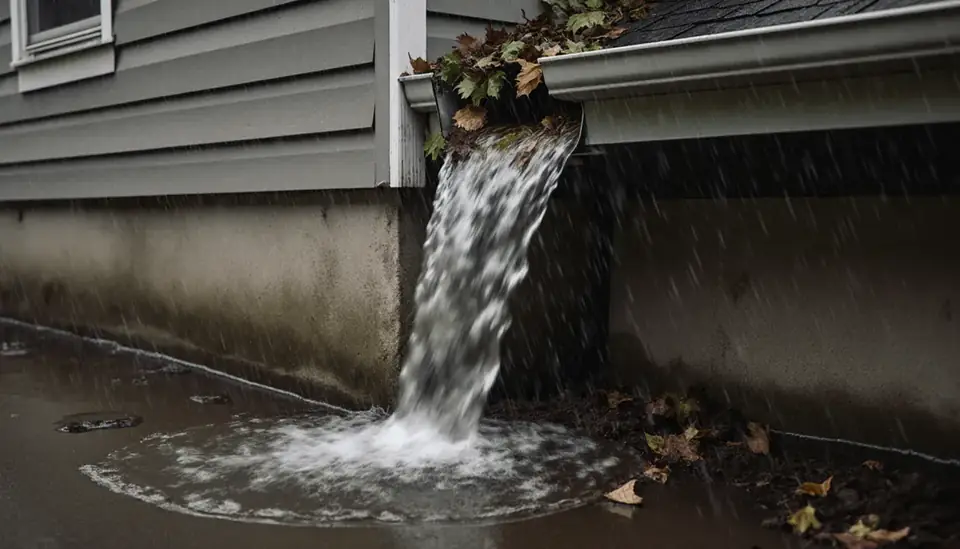
A homeowners policy usually responds to sudden plumbing failures but excludes flooding from Deer Creek, the South Umpqua or surface runoff. That requires separate flood insurance, which normally carries a waiting period. Check your address on FEMA's flood maps and sign up for Douglas County's Citizen Alert notifications through the county emergency management office. Neighbors in Winston and Sutherlin deal with the same storm systems, so regional warnings are worth watching even when Roseburg itself is dry.
Areas In and Around Roseburg
The same line also serves nearby communities such as:
Common Questions
Which part of Roseburg floods first when the South Umpqua rises?
According to the National Weather Service's notes for the Roseburg gauge, minor flooding at 22 feet affects structures along Arizona Street and upstream of the downtown bridges. Around 25 feet, flooding spreads along Deer Creek near its confluence with the river. Check the gauge forecast through NWS Medford and FEMA's flood map for your specific address.
Deer Creek flooded my crawl space. Does it need professional cleanup?
Creek floodwater carries mud, bacteria and debris, so it is treated as contaminated. Soaked vapor barrier and insulation are usually removed, the area is cleaned and disinfected, and the framing is dried with dehumidification until readings are normal. Leaving it to dry naturally during a damp winter often leads to odors and mold under the floor.
Are frozen pipes a real risk in Roseburg?
They are not an every-winter event, but Roseburg has recorded temperatures below zero, and cold snaps do burst pipes in garages, exterior walls and crawl spaces. Wrap pipes that run through unheated spaces, let a faucet drip during a hard freeze and find your main shutoff valve before you need it. If a pipe splits, shut off the water first and then call for help.
Will my insurance pay for damage from a creek flood like the one in March 2025?
Not under a standard homeowners policy, which excludes flooding from rising water. Flood insurance through the National Flood Insurance Program or a private carrier covers that, subject to its limits and waiting period. Damage from a burst pipe or a sudden appliance leak is a separate matter and is often covered under homeowners insurance.