
At just over 4,000 feet on the southern tip of Upper Klamath Lake, Klamath Falls is a different world from the rain-soaked valleys west of the Cascades. The city sits in the mountains' rain shadow, averages only about 13 inches of precipitation a year and calls itself Oregon's City of Sunshine. What it does get is cold: roughly three dozen inches of snow in an average year, a frost-free season of only about four months and a record low of 24 below zero. Here, water damage is more often about freezing than flooding.
The Restoration Job connects callers with restoration help; it does not employ anyone who does the work. Ring (888) 317-9980 any time of day and we will put you through to an independent provider that serves Klamath Falls, Altamont and the surrounding Klamath Basin. You and that provider settle the assessment, scope and cost between yourselves.
How the call works: when you call (888) 317-9980, The Restoration Job connects you with an independent restoration provider that serves Klamath Falls. That provider inspects the damage, explains the scope and quotes the work. The Restoration Job doesn't perform restoration itself. Read our referral disclosure.
Below-Zero Nights and Split Pipes
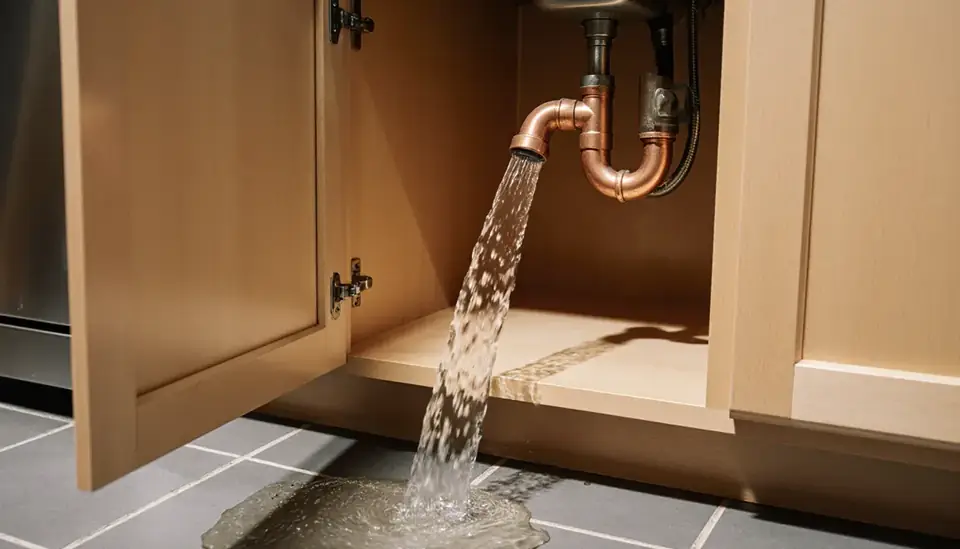
With freezing temperatures possible for much of the year, a common emergency in Klamath Falls homes is a pipe that freezes and splits. The break often happens overnight, but the leak starts when the ice thaws, sometimes hours later, so water can run unnoticed in a wall, crawl space or attic before anyone sees it. Lines along exterior walls, in unheated garages and in crawl spaces with gaps in the skirting or foundation vents are the usual weak points.
Shut off the main valve as soon as you find a leak, then open faucets to drain the system. Fast water extraction limits how far water wicks into drywall and flooring, and drying should continue until meters show the framing is back to normal.
Ice Dams and Spring Melt at 4,000 Feet
Snow that sits on a roof for days creates its own set of leaks. Heat escaping through the attic melts the underside of the snowpack, the water runs down to the colder eaves and refreezes, and an ice dam forms that pushes meltwater back under shingles. The first sign is often a brown stain on a ceiling near an outside wall, or water dripping around a window frame during a sunny afternoon after a storm.
Melt season can also send water toward foundations when snow piled against the house thaws faster than frozen ground can absorb it. Clearing snow away from the walls and keeping downspout outlets open helps. Once water has already reached ceilings, insulation or walls, a provider offering water damage restoration can open, dry and repair the affected areas.
Geothermal Wells, Hot Water Lines and Older Homes
Klamath Falls is unusual in how it heats buildings. The older part of the city sits above natural geothermal springs, residents have used them to heat homes since the early 1900s, and many houses relied on private geothermal wells. A downtown district heating system built in the early 1980s still supplies heat to buildings and runs snowmelt systems under some sidewalks and roads.
Hot-water heating loops, well piping and heat exchangers can leak like any plumbing, and hot water carries extra moisture into the air, which can raise humidity and condensation inside walls and under floors. If a geothermal or hydronic system leaks, shut off or isolate the loop if you know how, call the person who services the system, and have the wet building materials dried by a restoration provider.
First Moves After a Winter Leak in Klamath Falls
- Stop the water: close the main shutoff or the valve feeding the failed line.
- Protect the rest of the house: keep heat on in unaffected rooms so other pipes do not freeze while you deal with the first one.
- Take pictures: document the break, wet areas and damaged belongings before cleanup.
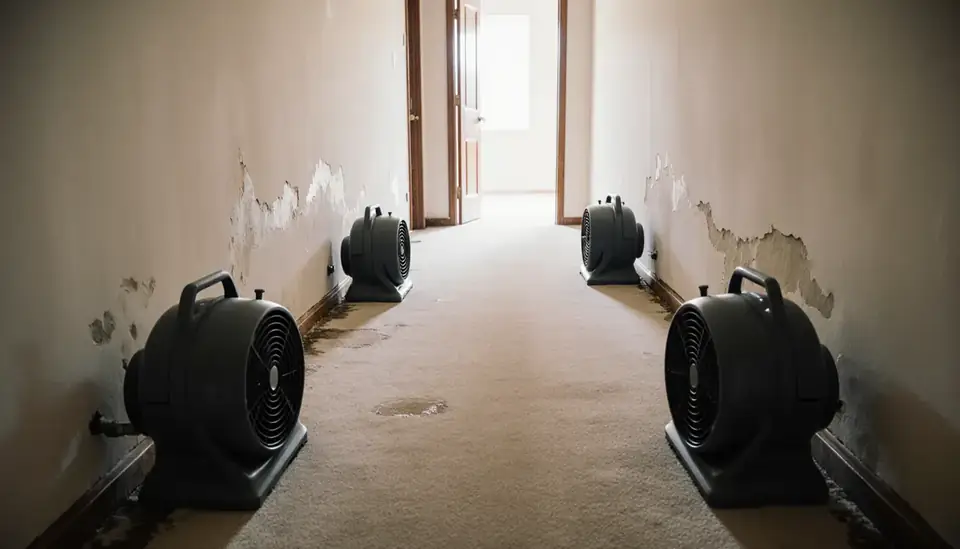
- Dry with dehumidifiers, not just heat: cranking the furnace alone can drive moisture deeper into walls; controlled dehumidification is more effective.
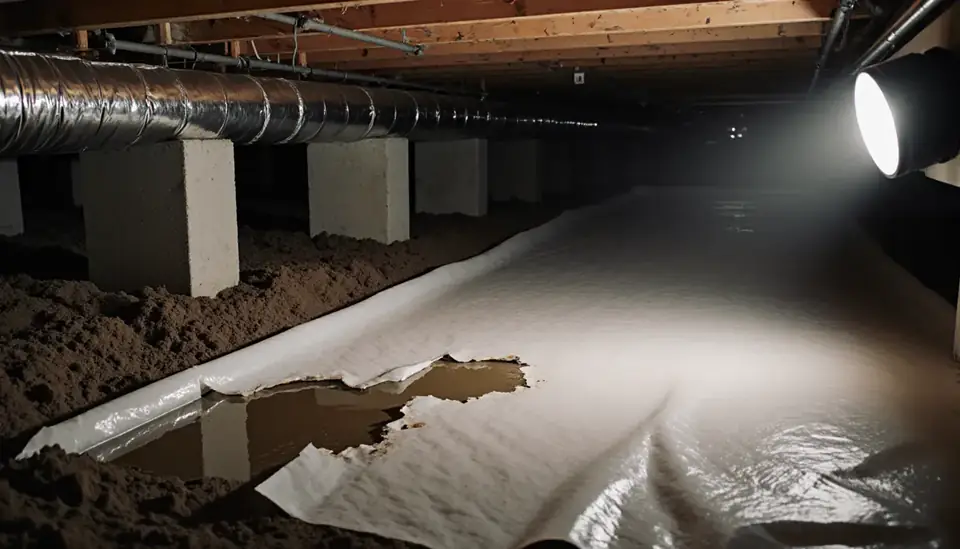
- Check hidden spaces: crawl spaces, wall cavities and attic insulation often hold water long after floors look dry.
Why Mold Still Grows on the Sunny Side of the Cascades
Dry outdoor air in Klamath Falls does not make a wet house safe. Inside, a leak that soaks insulation or subflooring creates a damp pocket with little airflow, and mold can grow there within days whatever the weather outside. Musty odors, staining on drywall or ceilings and peeling paint are signs moisture has lingered. Thorough drying prevents most problems; growth that has spread calls for mold remediation with containment and removal of damaged material.
Where Callers in the Klamath Falls Area Are
The same line also serves nearby communities such as:
- Altamont
- Merrill
- Chiloquin
- Bonanza
- Malin
Klamath Falls Water Damage Questions
Is flooding a concern in Klamath Falls, or mostly frozen pipes?
The area gets only about 13 inches of precipitation a year, so river-style flooding is less common here than in western Oregon. Most household water damage traces back to frozen and burst pipes, ice dams, snowmelt reaching foundations and plumbing or appliance failures. That said, flood risk varies by property, so check your address on FEMA's flood map rather than assuming.
My geothermal heating loop is leaking. Who do I call?
Usually two different people. Someone familiar with the geothermal or hydronic system should isolate and repair the loop, and a restoration provider should dry the walls, floors and insulation that got wet. Because the water is hot, it also adds humidity indoors, so drying should start promptly instead of waiting for the system repair to finish.
How can I keep pipes from freezing during a cold snap?
Insulate pipes in crawl spaces, garages and exterior walls, close or cover foundation vents in winter, and seal gaps in skirting on manufactured homes. During very cold nights, let a faucet on an outside wall trickle and open sink cabinets to warm air. If you leave town in winter, keep the heat on or shut off and drain the water supply.