
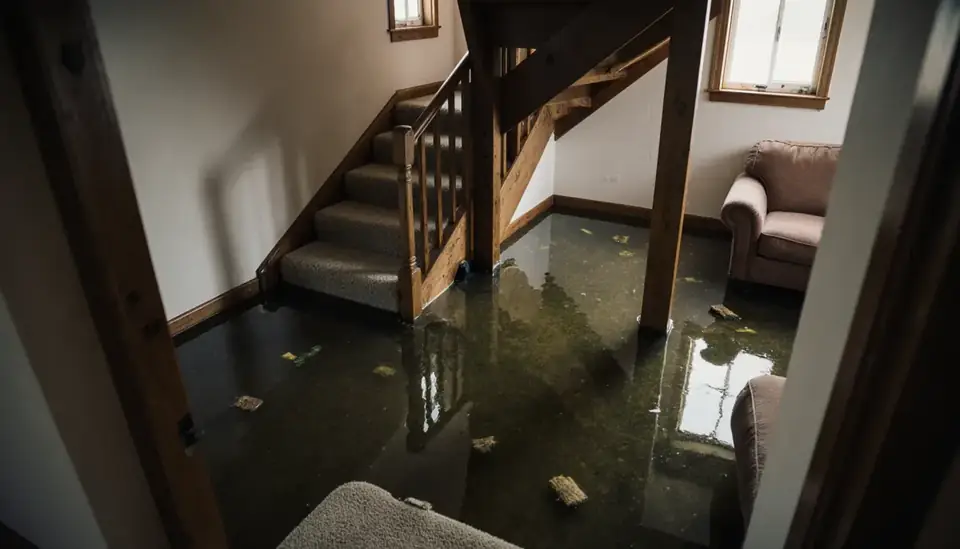
The Rogue River runs straight through Grants Pass, and the city's own flood records show it has come out of its banks here more than a dozen times since the late 1800s. Summers in the Rogue Valley are hot and bone dry, but roughly three-quarters of the area's 31 inches of yearly precipitation falls between November and March. That compressed wet season is when most local water damage happens: rising river water on low ground, Gilbert Creek backing up after a hard storm, and roof or plumbing leaks that show up once the rain settles in for weeks.
The Restoration Job does not send crews of its own; it is a free referral line staffed around the clock. Call (888) 317-9980 and we will connect you with an independent restoration provider that works in Grants Pass and the surrounding parts of Josephine County. That company inspects the damage, explains its plan and pricing, and does the work under its own agreement with you.
How the call works: when you call (888) 317-9980, The Restoration Job connects you with an independent restoration provider that serves Grants Pass. That provider inspects the damage, explains the scope and quotes the work. The Restoration Job doesn't perform restoration itself. Read our referral disclosure.
Reading the Rogue River Gauge at Grants Pass
The National Weather Service office in Medford tracks a river gauge right in town. Minor flooding begins at 20 feet, and at 28 feet the forecast notes call for flooding of numerous homes in Grants Pass. Those numbers have been exceeded before. The river crested above 35 feet on December 23, 1964, the highest reading on that gauge, and reached 33.6 feet in December 1955. The city's floodplain records put the 1964 peak at 152,000 cubic feet per second after about 10 inches of rain in six days on top of snowmelt, and they list an 1861 flood as larger still.
The most recent major event was January 1997, when about 4 inches of rain in 48 hours fell on ground that was already soaked. City figures put damage at around $10 million to homes, businesses, farms, roads and bridges. Lost Creek Lake upstream now holds back some flood water, but long warm storm sequences can still push the Rogue toward flood stage, so it is worth watching the gauge forecast whenever a big system is lined up offshore.
Gilbert Creek and the 9 Percent in the Floodplain
The river is not the only concern. Gilbert Creek drains about 5.6 square miles of the city and has its own history of overflowing after heavy storms, which means some flooding happens well away from the Rogue's banks. According to the city, about 9 percent of the land inside Grants Pass sits in the 100-year floodplain, and new homes there have to be built at least a foot above the base flood elevation, with a flood elevation certificate.
Older homes that predate those rules are the ones most likely to take water into crawl spaces or living areas. The city also points out measures such as backwater valves to keep sewer water from backing into a house during high water, and anchoring manufactured homes so they cannot shift. Contaminated water from a creek or a sewer backup calls for flood cleanup with sanitizing, not just drying.

The First Day After the Rogue or a Pipe Lets Go
- Stay safe: keep out of standing water near outlets or appliances, and do not return to a flooded area until officials allow it.
- Shut off the source: for a pipe or water heater leak, close the main valve; for an overflow, stop using fixtures until the line is cleared.
- Record everything: take photos and video of each room, the water line on the walls and damaged belongings before anything is moved.
- Remove water fast: extraction within the first day or two often lets clean-water-soaked carpet and drywall be dried rather than replaced.
- Dry to readings: a provider should measure moisture in framing and subfloors and keep equipment running until levels return to normal.
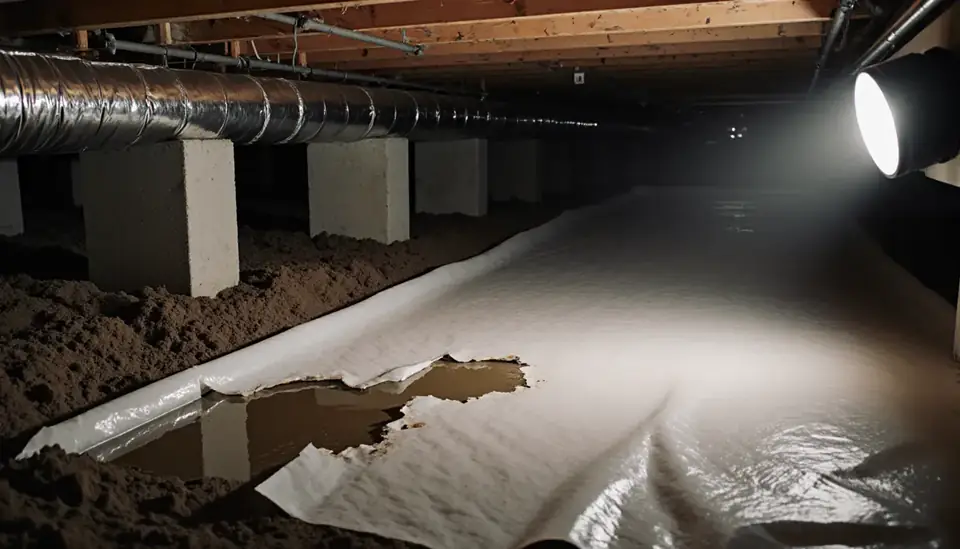
For a house on a crawl space or a manufactured home with a sealed underbelly, structural drying has to reach under the floor, not just the rooms you can see.
Winter Damp, Summer Heat and Mold
The Rogue Valley climate swings hard. Winter brings cold nights, rain and the occasional freeze; the area's record low is minus 3 degrees, set in December 1990, which is cold enough to split exposed pipes in a crawl space or garage. Wet insulation and subfloors in that cool, damp air dry slowly on their own, and that slow drying is what gives mold a head start.
Musty odors, staining on the underside of floors or warped trim usually mean moisture has lingered. Small areas can sometimes be handled by a homeowner, but growth spread across framing or drywall is better left to mold remediation with containment, so spores are not carried into the rest of the house.
Insurance and Planning Ahead in Josephine County
Standard homeowners policies do not cover flooding from the Rogue, Gilbert Creek or surface runoff. Flood coverage comes through the National Flood Insurance Program or a private carrier and usually has a waiting period, so it has to be in place before the wet season, not during a forecast. Sudden pipe bursts are a different claim and are often covered under a homeowners policy. Check your address on FEMA's flood maps, keep important documents above floor level from November through March, and know whether your house sits near the river or the creek.
Grants Pass Neighborhoods and Surrounding Towns
The same line also serves nearby communities such as:
- Redwood
- Harbeck-Fruitdale
- Merlin
- Cave Junction
- Rogue River
Grants Pass Water Damage Questions
At what river level should Grants Pass homeowners start worrying?
The National Weather Service lists minor flooding at 20 feet on the Rogue River gauge at Grants Pass, moderate at 25 feet and major at 28 feet, when numerous homes in town can flood. If a forecast shows the river climbing toward those levels, move valuables up, check your sump or drainage, and follow city and county instructions. You can view the gauge and forecast through the NWS Medford office.
I don't live near the Rogue. Can my house still flood?
Yes. Gilbert Creek drains several square miles of the city and has overflowed after heavy storms, and intense rain can overwhelm local drainage almost anywhere. Sewer backups during high water are another route into a home. A backwater valve and good gutter and grading work help, and FEMA's flood map will show whether your lot falls in a mapped flood zone.
Does a manufactured home need different water damage work?
Often, yes. Water tends to collect in the belly wrap and insulation under the floor, where it is hard to see and slow to dry. A provider should check under the home, remove soaked insulation if needed and dry the floor system before closing it back up. The city also recommends anchoring manufactured homes in flood-prone areas so they cannot shift in high water.