
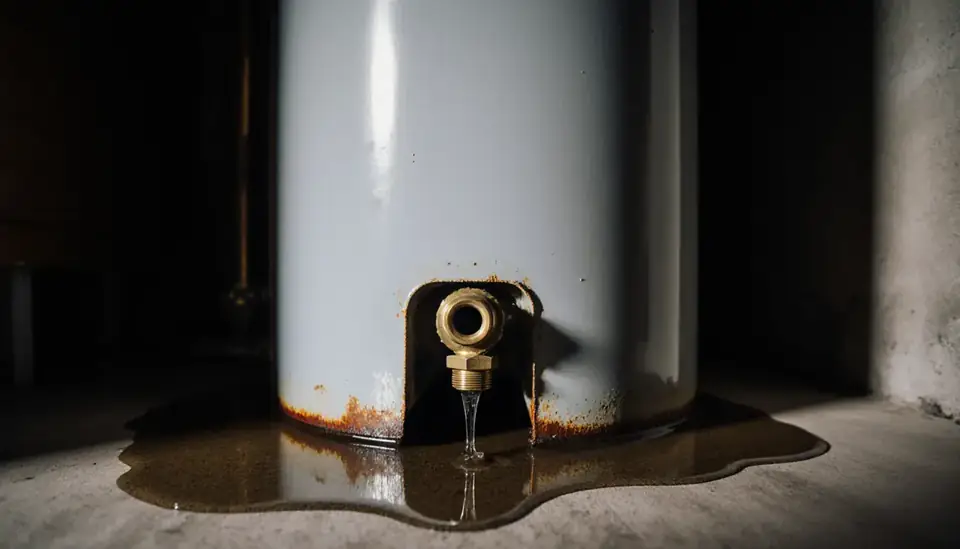
Settlers once called this spot Gasburg, after a talkative employee, before an insurance agent named it Phoenix in 1857. The name took on new weight in September 2020, when the Almeda Drive Fire destroyed much of the town. Phoenix is small, about a square mile and a half, set on the floor of the Rogue Valley where Coleman Creek runs into Bear Creek. The water problems people face here are mostly household ones: pipes that freeze on still winter nights, roofs and gutters that overflow in long storms, and drains that back up.
The Restoration Job is a referral service with a 24/7 phone line. Call (888) 317-9980 and you will be put through to an independent restoration provider that covers Phoenix and the surrounding valley. Everything about the job itself, from the inspection to the final invoice, is arranged between you and that provider.
How the call works: when you call (888) 317-9980, The Restoration Job connects you with an independent restoration provider that serves Phoenix. That provider inspects the damage, explains the scope and quotes the work. The Restoration Job doesn't perform restoration itself. Read our referral disclosure.
Coleman Creek and the Valley Floor
Coleman Creek meets Bear Creek in Phoenix, and the Bear Creek Greenway trail runs through town alongside the larger stream. Bear Creek's basin covers about 361 square miles, and the creek has a history of high water that has washed out bridges in the valley. Flooding here comes in winter: Jackson County's federal flood declarations cover December 1964, January 1974, the 1996–97 holiday storms and the winter of 2005–06. Properties near either creek should look up the FEMA flood map for their address. Outside the mapped areas, the more common problem is runoff that collects around foundations when gutters overflow or the yard slopes toward the house.
From 115 Degrees to Eight Below
The temperature swing here is wide. Phoenix set its record high of 115 degrees on June 27, 2021, and its record low of eight below zero on December 9, 1972. Both ends of that range are hard on plumbing.
- Winter: pipes in crawl spaces, garages and exterior walls freeze and split. The leak often shows up only when the pipe thaws, sometimes while the family is at work.
- Summer: air conditioners run for weeks at a time. A clogged condensate line or a cracked drain pan can soak a ceiling or the floor around an indoor unit before anyone notices.
- Year-round: water heaters, washing machine hoses and ice-maker lines fail without warning, regardless of season.
A Second Claim After the Fire
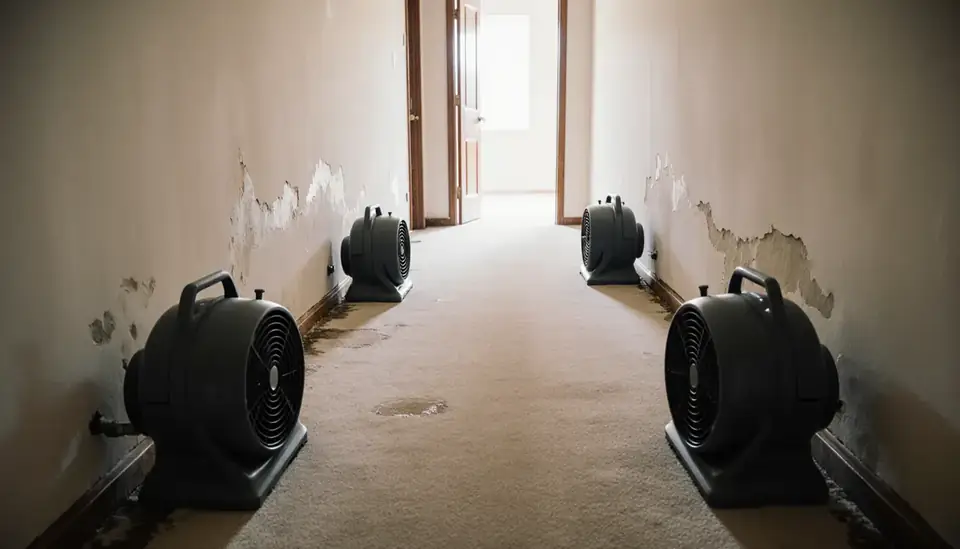
Many Phoenix households have already been through one large insurance claim since 2020. A water loss is a separate claim with its own rules. Before any cleanup, photograph the damage, note the date and time you found it, and save any failed part such as a burst hose or a split fitting. If the house was rebuilt or repaired after the fire, keep the contractor's warranty information handy, because a faulty installation may be the builder's responsibility. Flood damage from rising creek water is generally excluded from homeowners policies and requires separate flood coverage, so ask your agent which applies before assuming either way.
When a Phoenix Drain Backs Up
Rogue Valley Sewer Services runs the public sewer in Phoenix. The district maintains the public lines, while the homeowner is responsible for the line from the house out to the main, and it recommends calling a plumber first when a drain backs up. Sewage carries bacteria, so keep people and pets away from it and do not use household fans to dry the area, which can spread contamination. A crew handling sewage cleanup will remove carpet, pad and drywall that the water touched, clean and disinfect the remaining surfaces, and then dry the structure.
Drying a Phoenix Home Before Mold Takes Hold
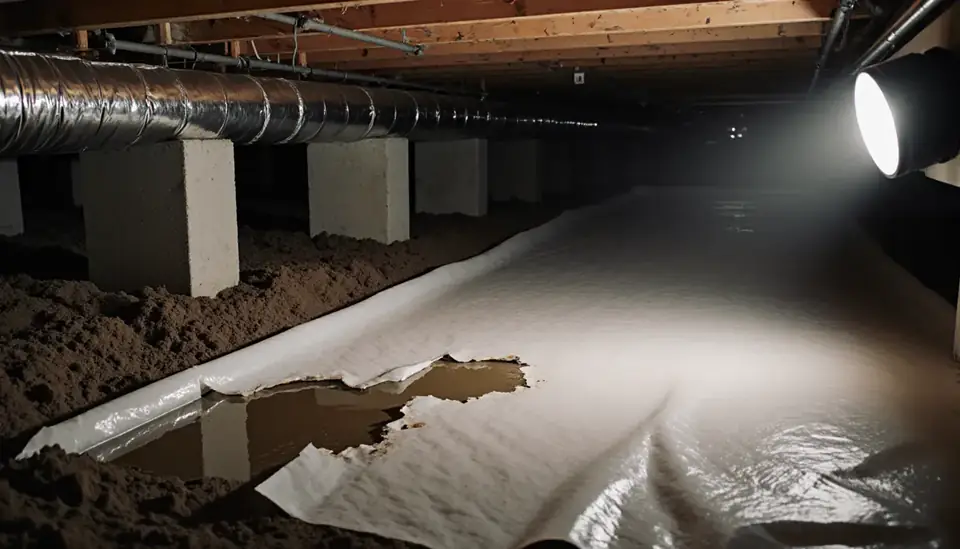
The steps are similar for most clean-water leaks: stop the water, pull out what is soaked, and dry the building with air movers and dehumidifiers while tracking moisture readings each day. Rushing to repaint or lay new flooring before the readings are back to normal is how a small leak turns into a mold problem. In a dry-summer climate, mold mostly shows up after winter leaks, in crawl spaces and closed rooms. If you see spreading growth or smell mustiness that does not go away, ask for mold remediation, which includes containment, removal of affected materials and a fix for the moisture source.
Phoenix Neighborhoods and Surrounding Towns
The same line also serves nearby communities such as:
- Talent
- Medford
- Ashland
- Jacksonville
- Central Point
Frequently Asked Questions
How cold does it get in Phoenix, and when should I protect my pipes?
The record low is eight below zero, set in December 1972, and frosty nights are routine through the winter. Disconnect hoses in the fall, insulate pipes in crawl spaces and garages, and on the coldest nights let a faucet drip and open cabinet doors on exterior walls. Locate the main shutoff now, while the house is dry.
Is a leak in my rebuilt home covered by insurance or by the builder?
It depends on the cause. Sudden, accidental water damage is often covered by a homeowners policy, while defective workmanship may fall under the builder's warranty. Notify both in writing, with photos and the failed part if you have it. Getting the house dried quickly protects you either way, since delays can lead to more damage.
Should I worry about Bear Creek or Coleman Creek flooding my home?
Homes right along the creeks have the most exposure, particularly during winter storms when warm rain melts mountain snow. Check the FEMA flood map for your address and sign up for Jackson Alerts through Jackson County Emergency Management. Much of the water damage in Phoenix, though, comes from plumbing, roofs and runoff rather than creek flooding.