

Umatilla is a desert town that sits on a lot of water. The city lies on the south bank of the Columbia, right where the Umatilla River comes in, with McNary Dam about a mile upstream and the slack water of Lake Umatilla stretching west. Yet the town itself gets only about 8 inches of precipitation in a typical year. That mismatch shapes the local water damage picture: most calls here start inside the house, with a split supply line, a failed water heater or a pipe that froze during a cold snap, rather than with rain.
The Restoration Job only makes referrals; it is not a restoration contractor. Call (888) 317-9980 at any hour and we'll connect you with an independent restoration provider that works in Umatilla and the rest of the West End. That provider inspects the damage, gives you its own estimate and handles the drying and repairs with you directly.
How the call works: when you call (888) 317-9980, The Restoration Job connects you with an independent restoration provider that serves Umatilla. That provider inspects the damage, explains the scope and quotes the work. The Restoration Job doesn't perform restoration itself. Read our referral disclosure.
A Townsite Moved Uphill for the John Day Pool
The current town is younger than it looks on a map. In the late 1960s the original riverside townsite was rebuilt south of the railroad tracks because planners expected the John Day Dam reservoir to flood it. The city's own history notes the move to higher ground in 1968. As it turned out, the water level never reached the old site, but the relocation means a good share of Umatilla's homes and public buildings date from that rebuild or later rather than from the river-landing era.
For water damage, that matters in two ways. Homes from the late 1960s and 1970s are now old enough that original galvanized or early plastic supply lines, original water heaters and aging drain lines show up in leak calls. And newer subdivisions built during the recent growth tied to data centers and agriculture tend to be slab or crawl-space construction where a hidden leak can run for days before anyone sees a stain.
Cold Snaps on the Columbia Plateau
Low rainfall does not mean mild winters. Umatilla's recorded low is minus 27 degrees, and the town averages around 8 inches of snow a year. Arctic air settling into the Columbia Basin can freeze pipes in exterior walls, unheated garages and crawl spaces, and the damage usually appears during the thaw, when a cracked line starts spraying behind drywall.
- Locate the main water valve in fall and test that it closes fully.
- Keep crawl-space vents closed and insulation intact during hard freezes.
- Disconnect hoses so frost-free hose bibs can drain.
- When a pipe bursts, shut the water off first, then call for water extraction before the subfloor soaks up more.

Where Two Rivers Meet: Flood Exposure Near the Mouth
The Umatilla River drains a large piece of the Blue Mountains before it reaches the Columbia here, and upstream towns such as Pendleton have a long record of the river rising and causing damage. By the time high water reaches the mouth, the Columbia's reservoir level controls much of what happens. Most of town now sits above the old landing, but low ground along the river, the marina area and irrigated land outside town can still take water during unusual flows, and a heavy thunderstorm on hard, dry soil can send runoff into garages and window wells faster than a desert storm drain system handles it.
Homeowners policies generally exclude rising surface water, so if your property sits near either river, check the FEMA flood map for your address and ask about separate flood coverage. A restoration provider handling flood cleanup will treat river water as contaminated and remove porous materials it has touched, which is a different job from drying a clean-water pipe leak.
Hot, Dry Summers and the Mold Question
With summer highs that have reached 117 degrees and very dry air most of the year, mold is less of a constant threat here than on the coast. That can create false confidence. A slow leak under a sink, behind a refrigerator or inside a wall stays wet regardless of the weather outside, and a sealed wall cavity has its own climate. Evaporative coolers and irrigation systems near the foundation add moisture where it is not expected.
Drying a wet wall cavity takes more than opening windows on a hot day. Providers use moisture meters to find the wet edges, then air movers and dehumidifiers, and they open materials when moisture is trapped. If growth has already started, ask for mold remediation that addresses the moisture source and not just the visible spots.
First Hours After a Leak in a West End Home
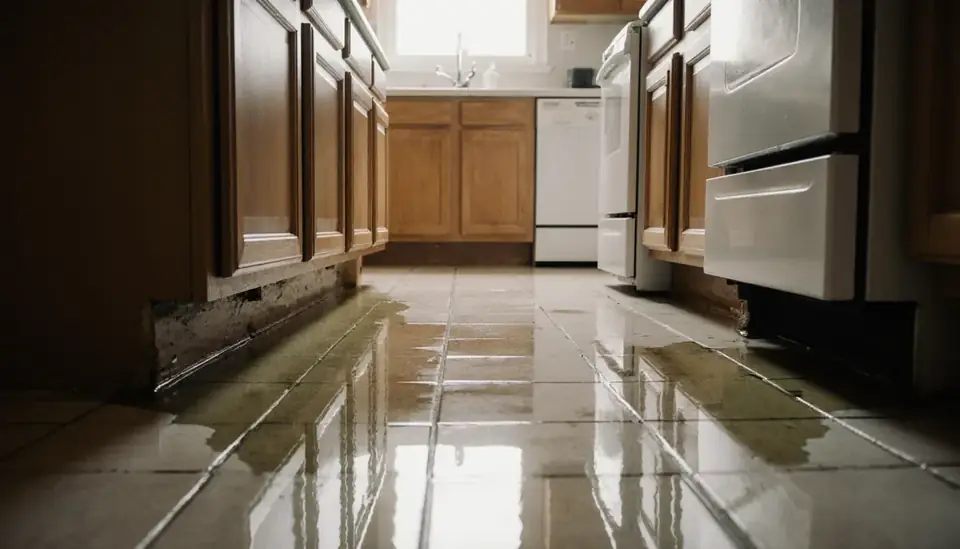
Stop the water at the main or at the fixture valve. Turn off power to wet rooms if outlets or cords are in the water. Photograph everything before moving it, then pull rugs, boxes and furniture off wet flooring. Call your insurer to open a claim and call (888) 317-9980 to reach an independent restoration company. Many providers serving Umatilla also cover Hermiston, Stanfield and Echo, so asking how they schedule West End jobs is reasonable. Keep receipts for anything you buy and any temporary repairs you make.
Where Callers in the Umatilla Area Are
The same line also serves nearby communities such as:
- Hermiston
- Stanfield
- Echo
- Pendleton
- Milton-Freewater
Common Questions
Is Umatilla in a flood zone?
Parts of the area near the Columbia and Umatilla rivers can carry flood designations, while most of the relocated townsite sits on higher ground. The only reliable answer is your own address on the FEMA Flood Map Service Center. Lenders and insurers use those maps, and a standard homeowners policy typically does not pay for rising water, so a separate flood policy is worth a look if you are near the river.
Why do frozen pipes cause so much damage here when it barely snows?
Umatilla gets little snow, but arctic air can push temperatures far below zero; the record is minus 27. Pipes in exterior walls, crawl spaces and garages freeze, and the crack stays hidden until the thaw. Then water runs into insulation, subfloors and drywall, sometimes for hours if nobody is home. Knowing where the main shutoff is and keeping crawl spaces closed during cold snaps prevents most of it.
Does the dry climate mean I can skip professional drying?
Not after a sizeable leak. Dry outdoor air helps surface drying, but water that wicks into wall cavities, under cabinets or into subfloors stays trapped. A restoration provider measures moisture behind surfaces and uses dehumidifiers and air movers until readings return to normal. Skipping that step is how slow mold growth and warped flooring show up weeks later.
Who will actually come out to my home?
Nobody from The Restoration Job shows up at your door. When you call (888) 317-9980, we connect you with an independent restoration provider that serves Umatilla. That company inspects the damage, explains its process and pricing, and works with you and your insurer directly. You are free to ask about its experience with river-water losses or freeze damage before agreeing to anything.