

Prineville was laid out where Ochoco Creek empties into the Crooked River, at 2,868 feet with Barnes Butte rising partly inside city limits. Two dams tell much of the local water story: the 1921 dam that first held back Ochoco Creek for irrigation, and Bowman Dam, built after Congress authorized the Crooked River Project in 1956, which formed Prineville Reservoir about 14 miles upstream. Those reservoirs regulate a lot, but the town still lives beside moving water, and its winters are some of the coldest in the state.
Through The Restoration Job you can reach help with one free phone call. Dial (888) 317-9980 around the clock and we'll connect you with an independent restoration provider that serves Prineville and Crook County. That provider assesses the damage and takes the job from there with you.
How the call works: when you call (888) 317-9980, The Restoration Job connects you with an independent restoration provider that serves Prineville. That provider inspects the damage, explains the scope and quotes the work. The Restoration Job doesn't perform restoration itself. Read our referral disclosure.
Living Near Ochoco Creek and the Crooked River
Ochoco Creek leaves its reservoir east of town, runs past the golf course, ducks under Highway 26, and winds through Ochoco Creek Park before turning northwest to meet the Crooked River. Homes and businesses near either channel can sit in mapped flood hazard areas, and that is worth knowing before a wet spring rather than after. Check your address on the FEMA Flood Map Service Center, and remember that a standard homeowners policy does not cover rising surface water. Buying flood coverage is its own transaction, and new policies usually wait a set period before they start paying claims.
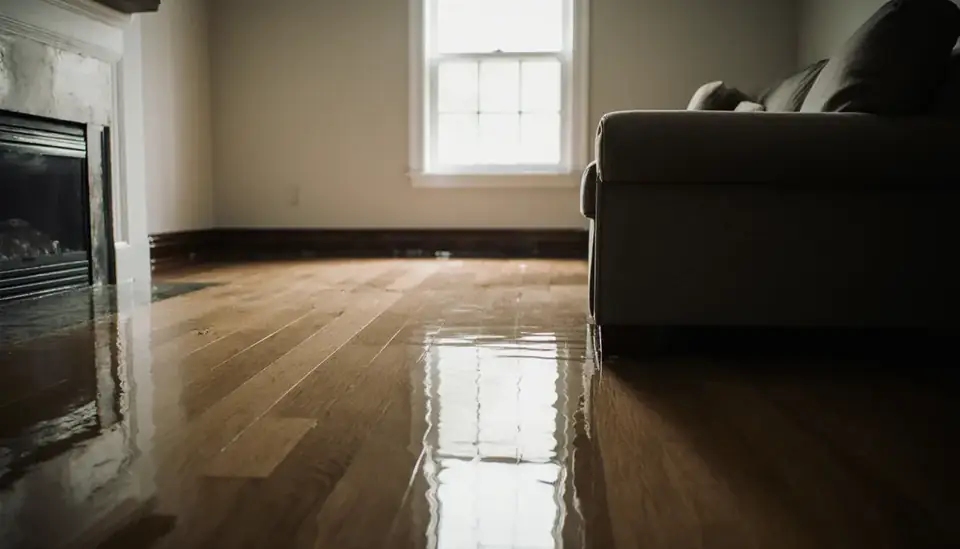
When creek or river water does reach a building, treat it as contaminated. Flood cleanup involves removing silt, cutting out soaked drywall and insulation, and disinfecting before anything is dried and rebuilt.
Thirty-Five Below in the Crooked River Valley
Prineville has recorded both 119 degrees, on July 29, 1898, and 35 below zero. During an arctic outbreak, pipes in crawl spaces, pump houses and garages are most likely to freeze. Snow is light here, averaging under nine inches a year, so many households are less prepared for a deep freeze than people in snowier mountain towns.
- Insulate pipes in crawl spaces and seal gaps where cold air gets in around the foundation.
- Keep a little heat in shops and outbuildings that have plumbing.
- Let a faucet drip on exterior walls during an arctic outbreak.
- If a pipe has frozen, open the faucet and warm the line gently; never use an open flame.
Acreage Homes South of Town
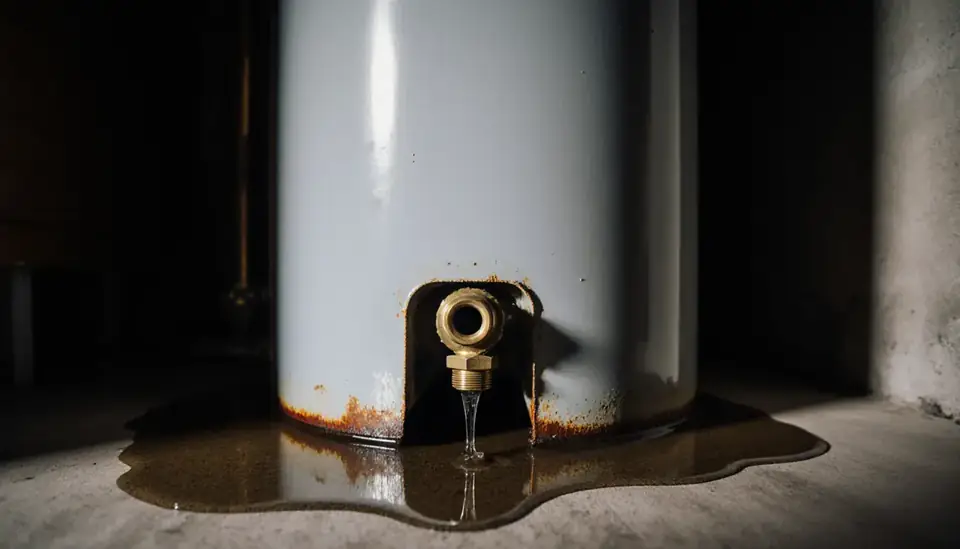
Juniper Canyon, the low-density residential area that borders the city to the southeast, and the scattered places out toward Powell Butte have a different set of risks than houses on city water. If your property runs on a private well, a pressure tank or water line failure can run unnoticed for hours. If it has a septic system, a backup into the house is a sewage cleanup job, not a simple mop-up, because the water carries bacteria into flooring and walls. Know where your well shut-off and breaker are, and keep the septic tank pumped on schedule.
Dry Air, Damp Walls: Where Mold Starts
With just over ten inches of precipitation a year, Prineville is dry, and open rooms dry out faster than in western Oregon. Mold problems here tend to start where moisture is trapped: behind a dishwasher, under laminate flooring, inside an exterior wall after a frozen pipe thaws, or in a crawl space with a slow leak. Many owners notice it first as an earthy odor in a back bedroom or under a sink. Drying with measured moisture readings, not a guess, is what keeps a short leak from becoming a mold job.
What Happens After You Call
Expect the provider to ask what kind of water it is, how long it has been there and whether the power is safe. On site, the usual sequence is stopping the source, extracting water, removing materials that cannot be saved, and setting dehumidifiers and air movers until readings are normal. Photograph everything before cleanup, save samples of damaged flooring if your insurer wants them, and keep a list of what was thrown away. Homeowners across the county line in Redmond follow the same steps, and providers often serve both towns.
Areas In and Around Prineville
The same line also serves nearby communities such as:
Frequently Asked Questions
Are homes near Ochoco Creek at risk of flooding?
Properties close to Ochoco Creek or the Crooked River can fall inside mapped flood hazard areas, even though upstream dams regulate much of the flow. The only way to know for your lot is to look up the address on FEMA's flood maps or ask the city or county planning office. If you are in or near a mapped zone, a separate flood policy is worth pricing, since homeowners insurance excludes surface flooding.
How do frozen pipes usually show up in Prineville?
Often there is no water at a faucet on a cold morning, and nothing seems wrong until the afternoon thaw. Then the cracked section starts spraying, usually in a crawl space, garage or exterior wall. If you lose water during a cold snap, find the main shut-off before the pipe warms up, so you can stop the flow the moment a leak appears.
My well pump line broke and flooded the utility room. Who do I call?
Shut off the pump at the breaker first, then call a well or plumbing contractor to repair the line. For the water already in the house, call (888) 317-9980 and we will connect you with an independent restoration provider serving Crook County to extract and dry the affected rooms. Clean well water is easier to deal with than sewage, but it still needs fast drying.