
Ontario calls itself the place where Oregon begins, the first town drivers reach after crossing the Snake River from Idaho on Interstate 84. It is high desert country with less than 10 inches of precipitation a year, but it was built on water. Within a year of the town site being laid out in 1883, its founder had signed a contract with the Nevada Ditch Company to bring irrigation water in, and today the Malheur River meets the Snake about two miles north of town, surrounded by canals, laterals and irrigated fields of potatoes and onions.
Calling The Restoration Job is free; it is a matchmaking line, not a contractor. Call (888) 317-9980 at any hour and we'll connect you with an independent restoration provider that serves Ontario and the Western Treasure Valley. The provider handles the inspection, its own estimate and the drying and repair work with you directly.
How the call works: when you call (888) 317-9980, The Restoration Job connects you with an independent restoration provider that serves Ontario. That provider inspects the damage, explains the scope and quotes the work. The Restoration Job doesn't perform restoration itself. Read our referral disclosure.
Irrigation Country: Canals, Seepage and High Summer Groundwater
The lower Malheur basin carries roughly 370 miles of irrigation canals and ditches serving about 132,000 acres through the Vale Project. That network turns a dry landscape green, and it also changes how water behaves underground. In irrigation season, groundwater near canals and flooded fields can rise, and basements or crawl spaces that stay dry in winter may take on seepage in July. A broken lateral or a backed-up head gate can also send water across a yard toward a foundation.
Seepage water is generally clean, but it soaks into carpet pad, drywall and stored belongings. Prompt water extraction and dehumidification keep a nuisance from turning into a rebuild. For repeat seepage, a sump pump, better grading and a conversation with the irrigation district about nearby ditches may be part of the long-term answer.
When the Treasure Valley Freezes Hard
Ontario's record lows sit at minus 25 degrees, reached in January 1957 and again in January 1962, and inversions can trap cold air in the valley for days. That is when supply lines in exterior walls, garages, crawl spaces and mobile homes freeze. Commercial buildings with fire sprinkler lines in unheated areas and farm shops with plumbing are at risk too.
- Seal crawl-space vents and keep skirting intact on manufactured homes.
- Drip faucets on outside walls during subzero nights.
- Keep a key or wrench for the main shutoff where you can find it in the dark.
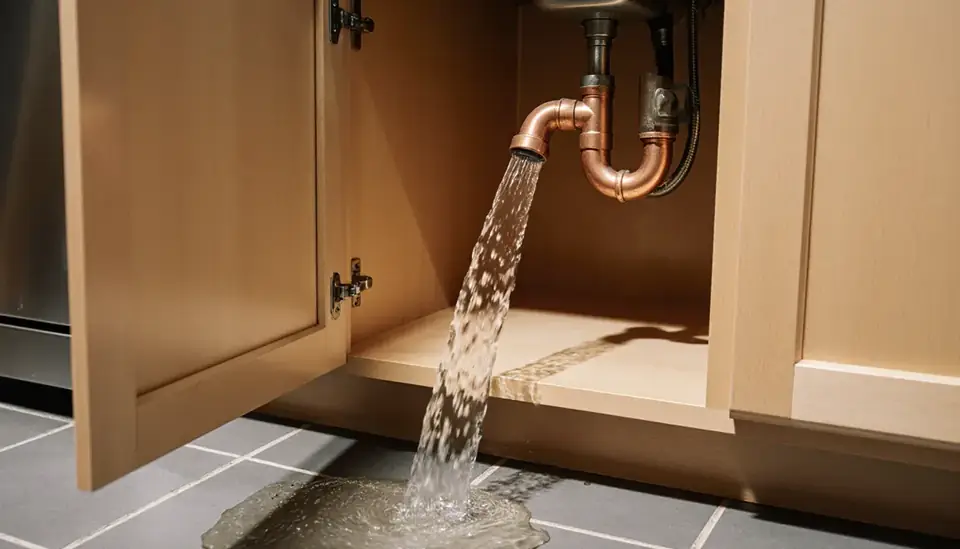
- After a break, document the damage, stop the water and call for help before ceilings and subfloors absorb more.
Snow Loads and Roof Leaks in a Low-Snow Town
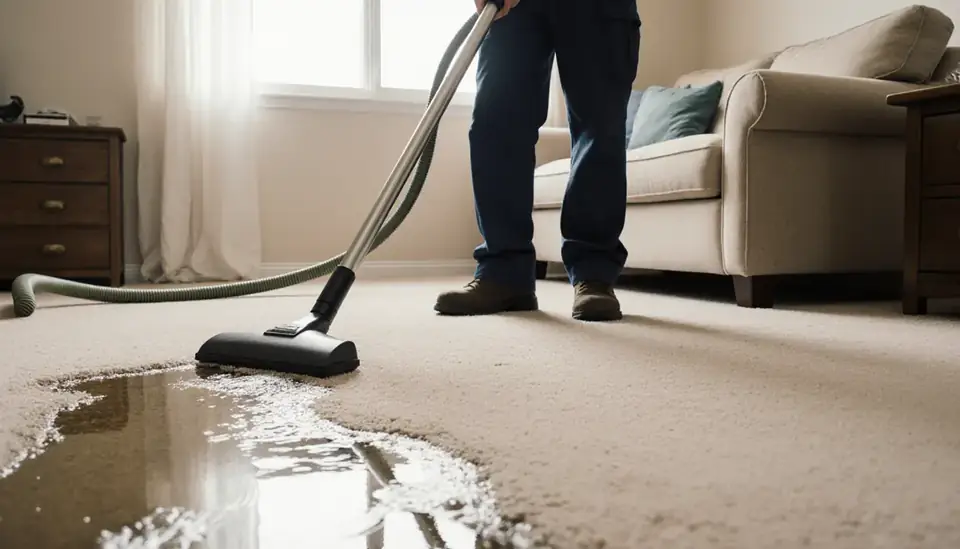
Average snowfall here is only about 10 inches, which is exactly why heavy snow can catch buildings off guard. December 1983 brought 30.3 inches in a single month, the snowiest on record. When snow piles up and then melts, it backs up behind ice at the eaves, finds gaps in flashing and drips into attics and wall cavities. Flat and low-slope roofs on commercial buildings collect meltwater and can leak at seams and drains.
After a big storm, check ceilings near exterior walls, around skylights and under valleys. A provider doing storm damage cleanup can arrange temporary roof protection and dry insulation and framing before mold has time to start.
River Edges and Flood Insurance on the Snake
The Snake forms Ontario's eastern edge, with the Malheur River joining just north of town and the Payette coming in from the Idaho side a short way upstream. Low ground near these rivers and along drainage ditches can carry FEMA flood designations. Look up your address on the FEMA Flood Map Service Center, and keep in mind that a standard homeowners policy generally will not pay for water rising from outside. Flood policies are sold separately and often have a waiting period, so the time to look into one is before a wet spring, not during it.

Keeping Mold in Check After the Water Is Gone
Dry desert air helps, but it does not reach inside a wet wall or under a vinyl floor. Mold problems in Ontario homes usually trace back to something slow and hidden: a dishwasher supply line, a toilet seal, irrigation seepage in a crawl space, or a roof leak that wet the attic insulation. Moisture meters and thermal checks let a provider find how far the water traveled. If growth is present beyond a small surface spot, professional mold remediation with containment, removal of damaged materials and drying of the source is the safer route.
Ontario Neighborhoods and Surrounding Towns
The same line also serves nearby communities such as:
- Vale
- Nyssa
- Adrian
- Payette
- Caldwell
Common Questions
Why does my crawl space get wet in summer but not in winter?
In irrigated parts of the Treasure Valley, canals and watered fields can raise groundwater during the growing season. Once irrigation shuts off in fall, levels drop again. That seasonal pattern points to groundwater or a nearby ditch rather than a plumbing leak. Pumping out the water and drying the space limits damage, and drainage improvements or a sump system address the cause.
Are manufactured homes in Ontario more prone to freeze damage?
They can be. Supply lines in a manufactured home often run below the floor, protected mainly by skirting and belly insulation. Missing skirting panels or torn underbelly material let subzero air reach the pipes. Heat tape on exposed lines, intact skirting and a heated water inlet help. If lines break, the wet insulation under the home usually needs to come out so the floor can dry.
Will my homeowners policy pay if a canal or lateral overflows into my house?
It varies. Water that flows across the ground from outside is often treated as flood or surface water, which many homeowners policies exclude. Damage from a sudden plumbing failure inside the house is more commonly covered. Read your policy or call your agent, document the source of the water with photos, and keep records of any communication with the irrigation district.
What should I expect once I dial the number on this page?
We connect you with an independent restoration provider that serves Ontario and nearby towns. Pricing and the work itself come from that provider, not from this phone line. The provider talks with you about the damage, arranges an inspection, and handles extraction, drying and repairs directly with you and your insurer. Ask it any questions about its process before you sign anything.