
Much of the Grande Ronde Valley floor was once marsh. Before settlers drained it in the 1800s, a shallow body called Tule Lake spread across 1,600 to 2,300 acres and could swell past 10,000 acres in wet years, and the Grande Ronde River wandered in a long bend across the east side of the valley before it was diverted into the State Ditch. La Grande sits on the western edge of that old wetland, at the foot of the Blue Mountains, and the ground still remembers it during a wet spring.
Calling us is free, and the call is a referral, not a service visit. Call (888) 317-9980 at any hour and we'll connect you with an independent restoration provider that serves La Grande and the rest of Union County. The provider assesses the damage, quotes its own work and handles drying and repairs with you directly.
How the call works: when you call (888) 317-9980, The Restoration Job connects you with an independent restoration provider that serves La Grande. That provider inspects the damage, explains the scope and quotes the work. The Restoration Job doesn't perform restoration itself. Read our referral disclosure.
Old Wetland, High Groundwater: Basements in the Valley
When the railroad finished its main line through town in 1884, businesses moved down from the original townsite on the southwest edge of the valley to the flats beside the tracks. A large share of the city grew on that lower ground. Older houses here commonly have basements or partial basements, and the combination of valley-floor soils and spring snowmelt means seepage through foundation walls and floor cracks is a familiar complaint.
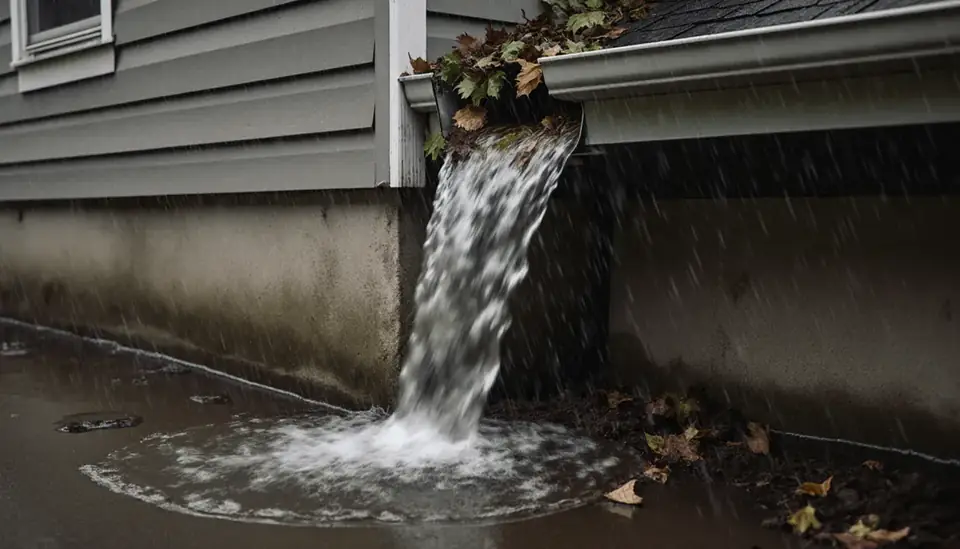
Seepage water is usually clean groundwater, but it rarely stays that way once it sits on carpet, cardboard boxes and stored furniture. Fast water extraction followed by dehumidification limits how far it wicks into finished walls. Long term, gutters, downspout extensions and grading that sends water away from the foundation do more than any single cleanup.
The Grande Ronde River and the 1996 Record
The Grande Ronde set its record flow of 51,800 cubic feet per second on February 9, 1996, during the same winter storm sequence that flooded much of the Northwest. Flooding in the valley was a big enough problem that federal agencies proposed upstream dams as early as 1944; Congress authorized them in 1968, but they were postponed in 1974 and never built. That means there is no large flood-control reservoir upstream of the valley.
Union County's emergency services office puts it plainly: property owners are responsible for protecting their own property. Its flood guidance suggests shutting off utilities before water arrives, moving valuables up, and letting water into a basement rather than having it press against the walls from outside, which can damage the foundation. Sign up for the county's emergency notifications so a rising-river warning does not catch you off guard.

Eighteen Below Zero and a Pipe in the Crawl Space
At about 2,800 feet, La Grande has cold winters, with a record low of minus 18 degrees. Annual snowfall averages a modest 9.4 inches, so the trouble is usually cold air rather than heavy snow. Supply lines in crawl spaces, exterior walls and unheated additions freeze, and rental houses near the university are at extra risk over winter break, when a thermostat gets turned down and nobody checks on the place for two weeks.
- Leave heat on, set no lower than the mid-50s, during any trip away.
- Open sink cabinet doors on outside walls during cold snaps.
- Landlords: show tenants where the main shutoff is at move-in.
- If a line bursts, close the main, cut power to wet areas and call for help before ceilings sag.
Brick Storefronts and Upper-Floor Leaks Downtown
The La Grande Commercial Historic District runs roughly from the Union Pacific tracks along Jefferson Street to Washington and Fourth streets. Old masonry buildings with apartments or offices above shops have their own water patterns: a roof drain or upstairs bathroom leak travels down through plaster, joists and into the storefront below, and two or three tenants may be involved in one loss.
Historic materials take more care. Plaster and old-growth wood floors can often be dried in place with the right equipment, which a provider doing water damage restoration in an older building should evaluate before anything is torn out. Owners planning exterior changes during repairs should ask the city planning office what approvals apply first.

Mold Risk From Snowmelt Season to Summer
Most of La Grande's roughly 17 inches of yearly precipitation falls outside the hot, dry summer, so moisture problems tend to start between fall and spring. A damp basement that never quite dries, a crawl space with standing water after snowmelt, or a slow drip under a bathroom floor can all support mold. Persistent musty smells are a better warning sign than visible spots. Professional cleanup makes sense when growth covers more than a small patch, sits inside walls, or followed floodwater, and the moisture source has to be fixed for any cleanup to last.
Neighborhoods and Nearby Communities
Calls come in from across La Grande, including:
- La Grande Commercial Historic District
- Eastern Oregon University campus
The same line also serves nearby communities such as:
- Island City
- Cove
- Imbler
- Union
- Elgin
- Summerville
- North Powder
Common Questions
Why does my La Grande basement get water every spring?
Much of the valley floor was wetland before it was drained, and snowmelt plus spring rain can raise groundwater around foundations. Water then pushes through cracks and the joint between the wall and floor. Gutters that dump next to the house make it worse. Pumping out promptly and drying the space protects finishes, while drainage improvements or a sump system address the cause.
Is there a dam protecting the valley from the Grande Ronde River?
No large flood-control dam was ever built upstream. Dams were proposed in 1944 and authorized by Congress in 1968, then postponed in 1974. The river's record flow came on February 9, 1996. Homes near the river or its tributary creeks should check FEMA flood maps and consider flood insurance, since standard homeowners policies generally exclude rising water.
I rent near Eastern Oregon University and a pipe froze. Who handles the cleanup?
Tell your landlord or property manager right away, in writing if possible, and shut off water at the fixture or main if you can. The building's repairs are normally the owner's responsibility, while your belongings are usually covered only by renters insurance if you have it. Photograph your damaged items before moving them, and keep a record of when you reported the leak.
Will someone from this phone line do my repairs?
No. We are a free phone referral service. Calling (888) 317-9980 connects you with an independent restoration provider that works in La Grande and Union County. That company inspects the property, explains its plan and pricing, and works with you and your insurer directly, so ask it any questions about scope or timing.