
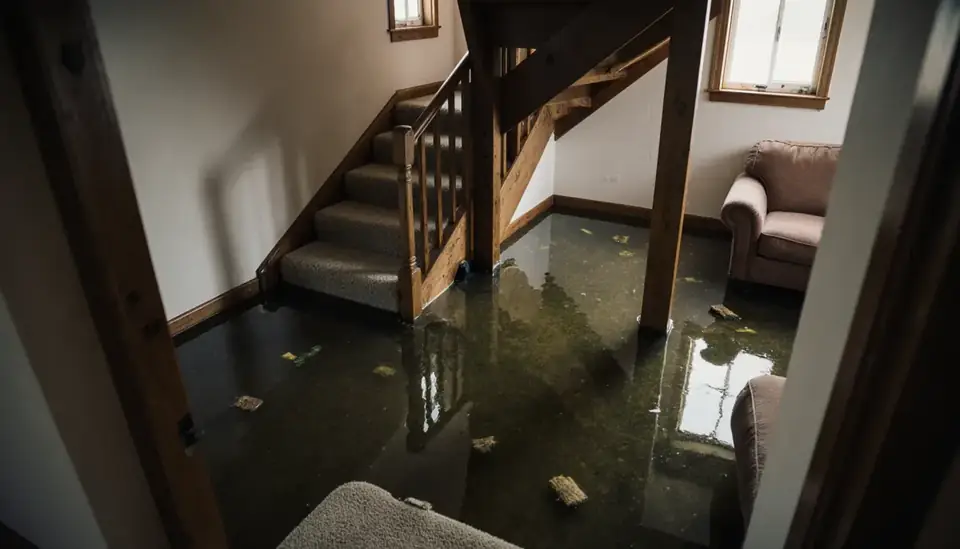
Few states pack as many kinds of flooding into so small an area as Maryland. Tides push into downtown Annapolis and Eastern Shore towns several dozen times a year, hurricane surge has swept across the Chesapeake Bay's islands and shorelines, and short, violent thunderstorms have turned the streams of Howard County into torrents twice in two years.
The Restoration Job is a free referral service, not a contractor. Call (888) 317-9980 any time and we'll connect you with an independent restoration provider that serves your area, from Baltimore row homes to Ocean City condos to Frederick County basements.
Chesapeake Bay Tides, Surge and the Annapolis Waterfront
Annapolis has seen more than a foot of sea level rise over the past century, according to the Union of Concerned Scientists, and tidal flooding at City Dock has increased more than fourfold since 1970, now happening roughly 50 times a year. NOAA projects 75 to 115 high-tide flood days a year at Annapolis by mid-century.
Storm surge adds to that baseline. During Hurricane Isabel in 2003, the National Weather Service recorded an 8-foot surge at Hoopers Island and nearly 8 feet at Tolchester Beach, destroying more than 2,500 wharves and piers. Waterfront neighborhoods in Anne Arundel, Baltimore County, Calvert and the Eastern Shore can take saltwater into first floors, crawl spaces and HVAC systems. After a surge or tidal event, flood cleanup usually means removing wet drywall and insulation to a set height, cleaning salt residue and drying framing thoroughly.
Flash Floods in Ellicott City and the Piedmont
Inland Maryland floods fast. The U.S. Geological Survey documented 6.60 inches of rain in three hours on July 30, 2016, and 6.56 inches in three hours on May 27, 2018, over Ellicott City, where three small streams drain steeply into the Patapsco River. Both storms caused deaths and heavy damage to buildings and roads.
The pattern is not new. Hurricane Agnes in 1972 dropped nearly 15 inches of rain on Westminster, flooding the Monocacy, Patapsco and Little Patuxent, and in 1996 Wills Creek near Cumberland rose nearly 3 feet above its 1936 record. Homes near small streams in Howard, Baltimore, Carroll and Frederick counties can see water come through basement walls and windows with little warning, carrying mud that calls for thorough cleaning before structural drying can begin.
Row Homes, Basements and Mold in a Humid Climate
Baltimore and many older towns have large stocks of attached row houses with basements, shared party walls and aging drain lines. Water from one roof or one failed supply line can travel into a neighbor's home, and heavy rain can back sewage up through floor drains.
- Finished basements in Montgomery, Prince George's and Howard counties are vulnerable to sump pump failure during power outages.
- Winter cold snaps, especially in Western Maryland, can split pipes in exterior walls and unheated spaces.
- Maryland's humid summers let mold take hold on wet drywall, carpet pad and wood within a few days, so prompt drying matters more than cosmetic cleanup.
If water came from a sewer line or floodwater, treat it as contaminated and ask a provider about proper sewage cleanup.
Flood Insurance, Flood Maps and Contractor Checks in Maryland
Standard homeowners policies generally exclude flooding from rising water; flood coverage comes from a separate policy, mainly through the National Flood Insurance Program, and new policies typically include a waiting period. The Maryland Department of the Environment's flood map site (mdfloodmaps.net) shows flood zones by address, and the Maryland Department of Emergency Management (MDEM) coordinates statewide response and recovery.
For repair work on a home, the Maryland Home Improvement Commission (MHIC) states that only contractors holding an MHIC license may contract with homeowners for home improvement work, including work inside condominium units. Confirm current requirements and look up a contractor through the Maryland Department of Labor before signing.