
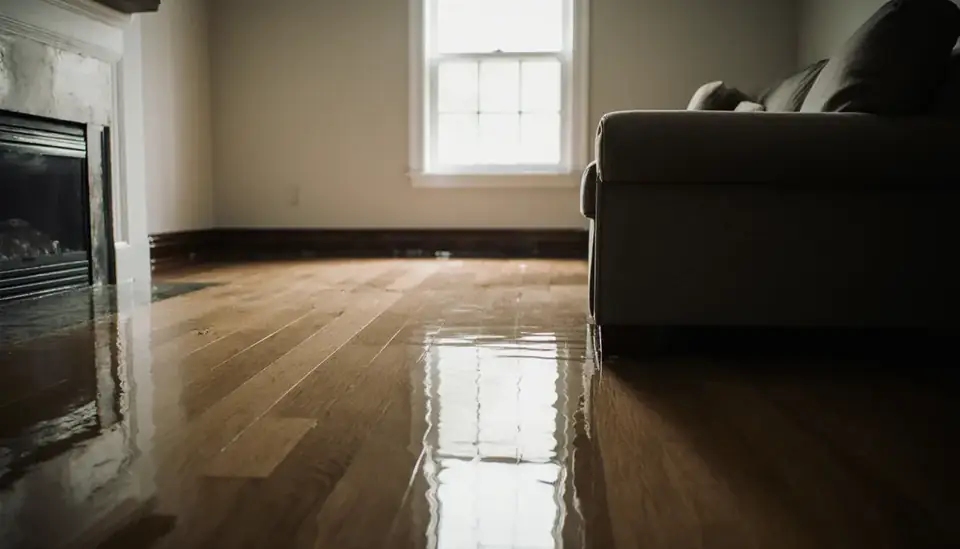
Ocean Pines was laid out starting in 1968 as a planned community on low ground between the St. Martin River and Isle of Wight Bay, and at about 10 feet above sea level it sits only slightly higher than the resort across the bay. The community has more than nine miles of waterfront, two marinas and a dozen miles of canals, so many homes back directly onto tidal water.
The Restoration Job is a referral service, free to callers, and does not do repair work itself. Phone (888) 317-9980 around the clock and we'll connect you with an independent restoration provider that covers Ocean Pines and the rest of northern Worcester County, for anything from a ruptured water heater line to a garage flooded by a storm tide.
How the call works: when you call (888) 317-9980, The Restoration Job connects you with an independent restoration provider that serves Ocean Pines. That provider inspects the damage, explains the scope and quotes the work. The Restoration Job doesn't perform restoration itself. Read our referral disclosure.
Canal Lots and the Tidal St. Martin River
The St. Martin River forms the northern edge of Ocean Pines and is mostly a tidal estuary, widening quickly as it reaches Isle of Wight Bay. Canals branch from it and from the bay into residential streets, which puts bulkheads, docks and backyards at the mercy of the tide. Wind-driven storm tides in the coastal bays can lift water over bulkheads and into low yards, crawl spaces and attached garages.
Tide gauges show how often this happens. The National Weather Service gauge in Isle of Wight Bay has a minor flood stage of 3.5 feet, and it topped that mark several times in 2025 before reaching 4.16 feet on September 26, 2026. After a high-water event, look along the base of exterior walls, inside the garage and in the crawl space for wet insulation, wet ductwork and silt lines.
How the Ditch System Is Supposed to Work
Ocean Pines Public Works maintains about 125 miles of stormwater improvements alongside its roads. The roadside ditches are designed to hold water temporarily during heavy rain so that yards and streets do not flood, and most of them drain within 24 hours. If a ditch in front of your lot stays full longer than that, Public Works asks residents to call 410-641-7425, because it may point to a blocked pipe or a bigger drainage problem.
Homeowners now maintain the grass in the easement and ditch areas in front of their own lots, so clogged culverts and overgrown swales are worth checking before storm season. A ditch that backs up can send runoff toward foundations and crawl space vents, especially on the flat lots common through the community.
Second Homes, Retirees and Leaks That Run for Days
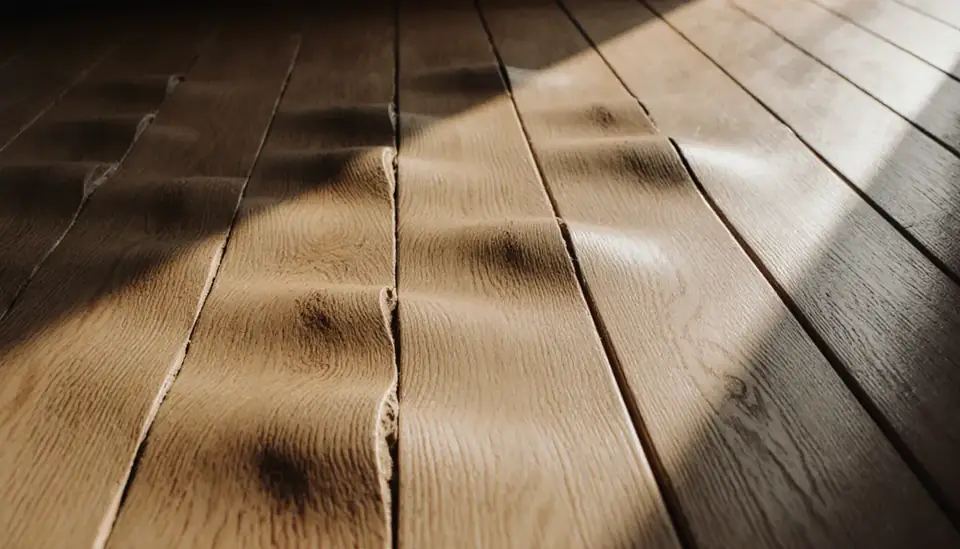
The 2020 census counted almost 8,900 housing units, with more than a third vacant at the time, largely seasonal homes, and a median resident age above 58. That combination means many water problems are discovered late: a supply line fails while owners are away for the winter, or a slow leak under a sink goes unnoticed. Shutting off the main valve when leaving for more than a few days and asking a neighbor to check the house are simple habits that prevent a lot of damage.
When a leak is found, a provider offering water damage repair can trace where water traveled inside walls and under flooring, which matters in homes where the original source has been dripping for weeks.
Cleanup Steps for Ocean Pines Homes
- Shut off water at the main if the source is a plumbing failure, and turn off power to affected rooms.
- Separate clean water from storm tide water; anything the bay or canal touched should be treated as contaminated.
- Lift area rugs and get furniture legs off soaked floors.
- Check the crawl space or under-slab ducts, which often hold water after the living area looks dry.
- Call your insurer and photograph damage before discarding anything.
A restoration crew will typically extract water, remove saturated flooring and lower drywall, and dry the structure with dehumidifiers and air movers. Homes reached by tidal water may need flood cleanup that includes cleaning and sanitizing framing before rebuilding. Remember that flood damage from rising water is normally covered only by a separate flood policy, not a standard homeowners policy.

Shaded Lots, Coastal Humidity and Mold
Lots shaded by mature trees dry slowly after rain, and summer humidity off the coastal bays adds to the problem. Crawl spaces with torn vapor barriers, bathrooms without working exhaust fans and closets on exterior walls are where mold tends to appear first. Drying wet materials within a day or two, running a dehumidifier in closed houses and fixing drainage that sends water toward the foundation will prevent most growth. For larger patches or recurring odors, a mold remediation provider can isolate the area and remove affected materials.
Neighborhoods and Nearby Communities
The same line also serves nearby communities such as:
- Berlin
- Ocean City
- West Ocean City
- Showell
- Bishopville
- Salisbury
Common Questions
The ditch in front of my Ocean Pines house is still full a day after the storm. Is that normal?
According to Ocean Pines Public Works, the ditches are meant to hold stormwater temporarily, and most drain within 24 hours. If water stays elevated beyond that, call Public Works at 410-641-7425, since a blocked culvert or pipe may be the cause. Keep an eye on whether standing water is creeping toward your foundation or crawl space vents in the meantime.
My canal-front lot flooded during a storm tide. What gets damaged first?
Typically the lowest parts of the property: garage contents, crawl spaces, ductwork, water heaters and HVAC equipment set on the ground, along with any finished space at grade. Brackish water leaves salt residue that keeps materials damp and corrodes metal, so wet insulation and drywall should come out and framing should be cleaned and dried rather than simply left to air out.
Does the Ocean Pines Association handle water damage inside my home?
The association manages community amenities and infrastructure such as roads, drainage and canals, while the inside of your house is your responsibility and your insurer's. Drainage problems in the right-of-way go to Public Works, but interior water damage, mold and repairs are handled by the homeowner, usually through a restoration provider and an insurance claim.