
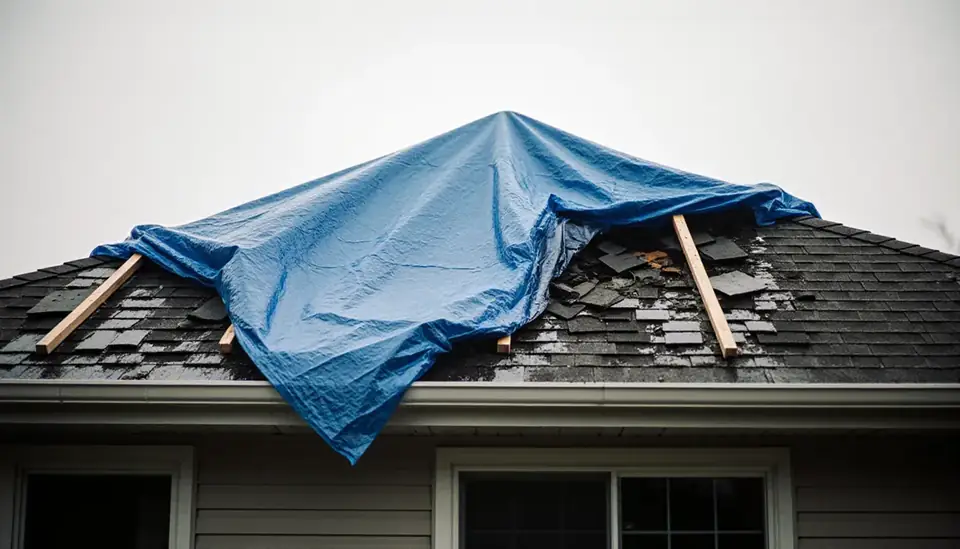
A long, narrow neck of land between the Miles River and the harbor coves gives St. Michaels its character, and also its exposure. The town covers only about a square mile and a quarter, laid out in the 1770s and incorporated in 1804, with houses and shops packed close to the water. Its own comprehensive plan names low elevation, high water tables and hurricane risk as the core resilience problems the town has to plan around.
The Restoration Job connects callers with independent restoration companies; it does not send out workers of its own. Call (888) 317-9980 any time and we'll put you in touch with a provider that works in St. Michaels and along the Route 33 corridor.
How the call works: when you call (888) 317-9980, The Restoration Job connects you with an independent restoration provider that serves St. Michaels. That provider inspects the damage, explains the scope and quotes the work. The Restoration Job doesn't perform restoration itself. Read our referral disclosure.
Miles River Tides and Eastern Bay Surges
The Miles River is a tidal arm of Eastern Bay, about 13 miles long, and St. Michaels Harbor and Fogg's Cove open off it. When strong south or southwest winds stack water up the Chesapeake, levels in Eastern Bay rise with it. The nearest National Weather Service tide gauge, at Claiborne a few miles west, lists minor flooding at 3.4 feet and moderate flooding at 4.4 feet. It crested at 5.32 feet on January 10, 2024, just short of its major flood mark, and at 5.11 feet on October 29, 2021.
Those are wind-driven events, not hurricanes. Hurricane Isabel in 2003 pushed surge to 8 feet farther south at Hoopers Island, a reminder of what a tropical system can add on top of an ordinary high tide. In a town this close to the water, both kinds of events can put brackish water into crawl spaces, ground-floor shops and HVAC equipment set at grade.
A High Water Table Under Historic Frame Houses
Much of St. Michaels lies within a historic district on the National Register, and many buildings date to the 1800s or earlier, including the Cannonball House from the War of 1812 era. Older frame houses here commonly sit over shallow crawl spaces or low foundations. With groundwater close to the surface, those spaces can stay damp after heavy rain even without a tidal flood, and a plumbing leak adds water to soil that is already slow to drain.
The town has a Harbor and Stormwater Infrastructure Study under way through its Climate Change and Sea Level Rise Commission, which reflects how often rainwater and tide meet in the low streets near the harbor. For owners, the practical point is that drying takes longer when the ground under a building is wet, and a contractor should plan for that rather than pulling equipment after a day or two.

Saltwater Cleanup Steps for Waterfront Properties
Brackish flood water carries silt, salt and whatever it picked up crossing yards and parking lots, so it is handled as contaminated. A sound flood cleanup plan in a harbor-side building usually includes:
- Pumping out standing water and removing wet carpet, pad and insulation.
- Cutting drywall above the waterline so wall cavities can be washed and dried.
- Cleaning salt residue from framing, ductwork and metal fasteners, which corrode if it is left behind.
- Checking crawl space vapor barriers and insulation under the floor.
- Recording moisture readings until wood framing returns to normal levels.
Historic interiors add a layer of care. Original plaster, heart-pine floors and old trim can often be dried and kept rather than replaced, which is worth discussing before demolition starts.
Damp Summers, Closed-Up Houses and Mold
Summers in Talbot County are hot and humid, and a building that took on water can show mold on drywall paper, baseboards and stored items within a few days. Shops, rentals and homes that are closed for part of the week or season are especially prone to leaks that run unnoticed.
Ventilate and dehumidify as soon as the water is out. Where growth has already started, especially on porous materials, mold remediation means removing the affected material under containment and correcting the moisture source, not just wiping surfaces.
Planning Ahead Along the Miles River Neck
Talbot County's Department of Emergency Services, headquartered in nearby Easton, maintains tidal surge evacuation maps and an emergency alert sign-up. Keep a list of what is stored at ground level, raise valuables and electronics before a forecast coastal flood, and know where your water shutoff and main breaker are.
Flood insurance is separate from a standard homeowners policy and generally carries a waiting period before coverage starts, so it cannot be bought at the last minute before a storm. Maryland's flood map site shows which zone a property is in.
Neighborhoods and Nearby Communities
Calls come in from across St. Michaels, including:
- St. Michaels Historic District
- Navy Point
- St. Mary's Square
- St. Michaels Harbor
The same line also serves nearby communities such as:
- Easton
- Claiborne
- Royal Oak
- Bozman
- Wittman
- Oxford
Common Questions
Why does my St. Michaels crawl space stay wet after rain?
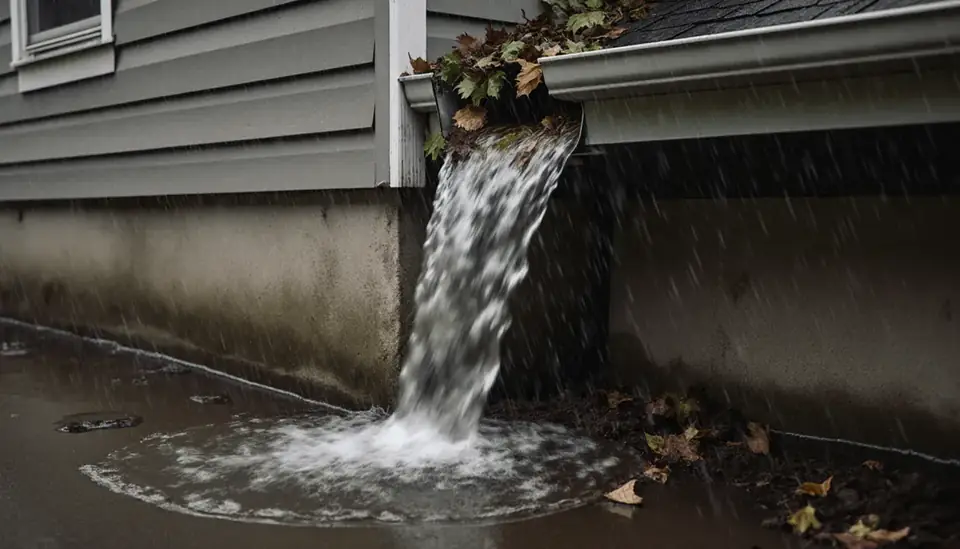
The town itself identifies a high water table as one of its main vulnerabilities. When groundwater sits close to the surface, rain soaks in slowly and can pool under low foundations. A restoration provider can remove standing water and dry the space, but lasting improvement usually depends on drainage, gutter discharge, grading and a sound vapor barrier.
How high does the water have to get before flooding starts nearby?
The closest National Weather Service tide gauge is on Eastern Bay at Claiborne, where minor flooding begins at 3.4 feet and moderate flooding at 4.4 feet. Coastal flood advisories are issued at 3.7 feet. Exact impacts on a given street vary, so watch the forecast from the weather service office in Mount Holly, which covers Talbot County.
Can original plaster and wood floors be saved after a leak?
In many cases they can, provided the water was clean and drying begins promptly. Plaster tolerates wetting better than drywall, and solid wood floors can sometimes be dried flat with careful monitoring. Water from a flood or sewer line changes the picture because of contamination. Ask the provider to explain which materials they plan to keep and how they will verify they are dry.