
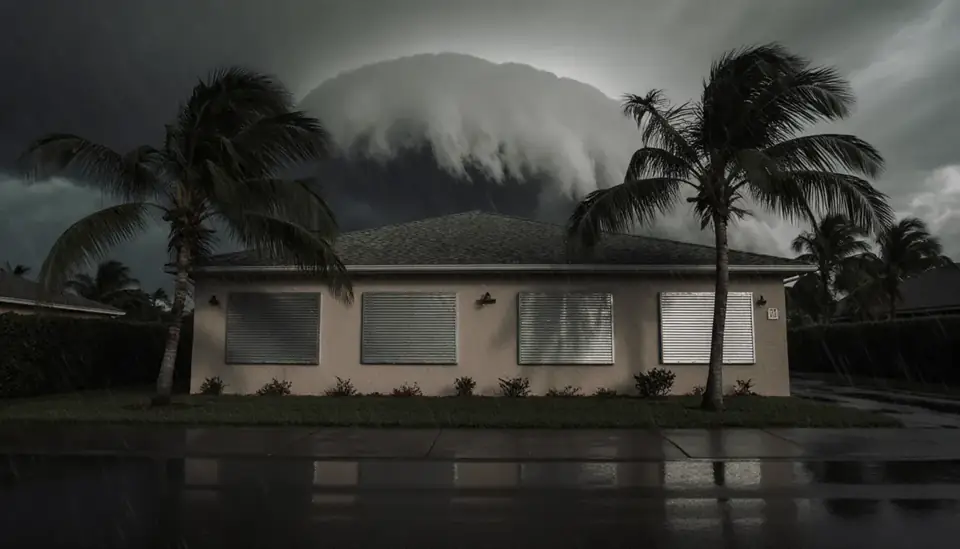
Close to half of Edgemere's 20.57 square miles is water. The community covers much of the North Point peninsula, where the Back River meets the Chesapeake Bay on one side and the lower Patapsco reaches the bay on the other, and its average elevation is only about 20 feet. With roughly 9,000 residents spread across shoreline lots, marsh edges and small inland streets, the flood risk here is mostly about wind, tide and surge rather than creeks overflowing.
No crews work for The Restoration Job; it runs a free 24/7 phone line instead, so call (888) 317-9980 and we'll connect you with an independent restoration provider that serves Edgemere and the rest of the peninsula.
How the call works: when you call (888) 317-9980, The Restoration Job connects you with an independent restoration provider that serves Edgemere. That provider inspects the damage, explains the scope and quotes the work. The Restoration Job doesn't perform restoration itself. Read our referral disclosure.
Surge on the North Point Peninsula
Hurricane Isabel in September 2003 hit this shoreline harder than almost anywhere else in Baltimore County. Edgemere, North Point and Millers Island were named among the most devastated communities, and countywide more than 300 buildings were destroyed and over 400 people had to be rescued. The county also lost about $3 million to beach erosion along its shore.
Water arriving from the bay is brackish and carries debris, fuel and sewage, so flood cleanup after a surge goes beyond drying. Wet insulation, drywall, flooring and cabinetry are usually removed, remaining surfaces are cleaned and disinfected, and the framing is dried and checked before any rebuilding. Salt residue left on wood and metal is worth washing off early, since it holds moisture.
Life Between the Back River, Old Road Bay and the Bay
At the tip of the peninsula, Fort Howard sits where the lower Patapsco and the Back River flow into the Chesapeake, with Old Road Bay along the western shore. North Point State Park covers 1,328 acres on the bay side of Edgemere, half of it the Black Marsh wildlands, on ground that once held the Bay Shore amusement park from 1906 to 1947. Much of the remaining land is a patchwork of waterfront lots and low streets behind them.
A waterfront house that has been added onto over the decades can mix construction types under one roof, such as an older section over a crawl space and a newer addition on a slab. That matters after a flood, because each part dries differently and may need separate handling. A provider should map the house before setting equipment.

Preparing a Waterfront Home Before Storm Season
- Look up your flood zone on the Maryland Department of the Environment flood maps and keep a flood policy in force; homeowners policies usually exclude flood.
- Raise the water heater, furnace and electrical panel above likely flood levels if renovating.
- Keep important papers and photos in waterproof containers on an upper floor.
- Photograph rooms and contents each spring as a baseline for claims.
- Know how to shut off electricity and gas before evacuating.
Following Baltimore County emergency management alerts and National Weather Service forecasts gives the earliest notice when a tropical system or strong nor'easter is approaching the bay.
After the Water Goes Down: Restoration in Order
Return only when officials say it is safe, and assume electrical systems that were submerged need an electrician before power is restored. Before a single piece of drywall comes out, record the height the water reached in each room. Then a crew will typically pump remaining water, remove soaked materials and set dehumidifiers and air movers, taking moisture readings until the structure is dry.
Storm surge often comes with wind damage. Storm damage cleanup can include tarping roofs, boarding windows and removing debris, and it is easiest to coordinate when the same provider handles both the water and the openings in the building.

Marsh Humidity and Mold in Flooded Houses
With marsh, open water and bay air on every side, humidity stays high through the warm months, and flood-soaked materials do not dry on their own. Mold can start in wall cavities and under flooring within days of a flood, especially where drywall was left in place.
Opening walls promptly, running dehumidifiers continuously and confirming dryness with a meter are the main ways to avoid it. Where growth is already present, mold remediation adds containment and removal of affected materials, and the result should be checked before walls are closed.
Areas In and Around Edgemere
The same line also serves nearby communities such as:
Frequently Asked Questions
How did Hurricane Isabel affect Edgemere?
Isabel's surge in September 2003 flooded large parts of the peninsula. Edgemere, North Point and nearby Millers Island were among the Baltimore County communities hit hardest, and across the county more than 300 buildings were destroyed. Its high-water marks are a useful benchmark when judging how far water could reach on a given lot.
Is flood damage from the bay covered by a regular homeowners policy?
Usually not. Standard homeowners policies exclude flood, including surge and tidal flooding, which is covered under a separate flood policy, commonly written through the National Flood Insurance Program. Wind damage to a roof is generally a homeowners claim, so a single storm can involve two policies and two adjusters.
Can I start removing wet drywall myself before the adjuster comes?
You are generally expected to prevent further damage, and removing soaked materials helps prevent mold. Before you remove anything, photograph and video each room, measure the waterline, and keep a small sample of flooring and drywall. Wear gloves, boots and a mask, since bay floodwater is contaminated, and leave electrical work to an electrician.