
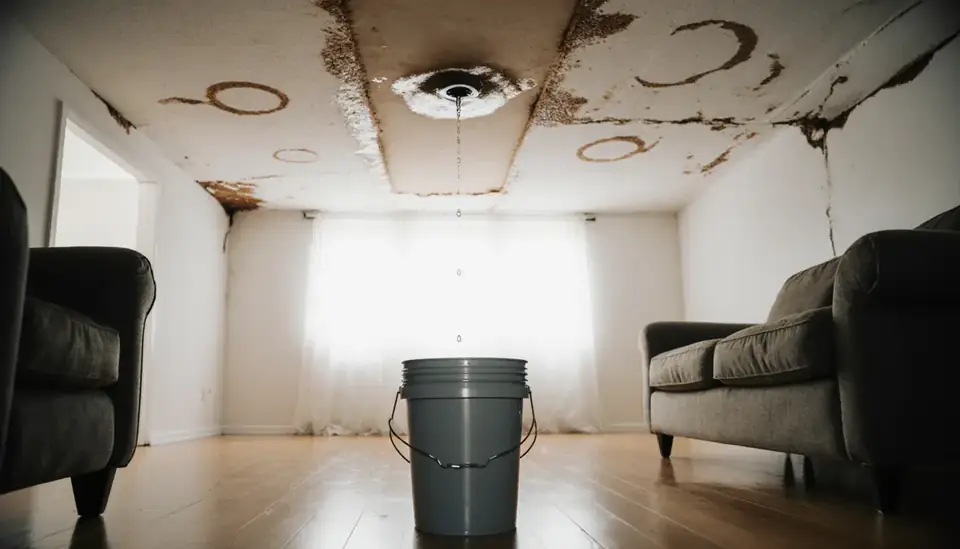
Baltimore sits right on the fall line, where the Piedmont drops onto the Atlantic coastal plain, and that position sends water at the city from two directions. Ground rises from sea level at the harbor to about 480 feet in the northwest corner near Pimlico, and the Jones Falls and Gwynns Falls carry runoff from those higher neighborhoods down toward the Patapsco River. At the bottom of the slope, waterfront areas such as Fells Point, Canton and Locust Point sit low enough that a strong storm can push the harbor itself into ground floors.
Most homes here are old, closely packed and physically joined to their neighbors, which changes how a leak spreads and how a house has to be dried. As a free referral line rather than a contractor, The Restoration Job doesn't send its own crew anywhere. Call (888) 317-9980 at any hour and we'll connect you with an independent provider that handles water damage restoration in Baltimore and the surrounding county.
How the call works: when you call (888) 317-9980, The Restoration Job connects you with an independent restoration provider that serves Baltimore. That provider inspects the damage, explains the scope and quotes the work. The Restoration Job doesn't perform restoration itself. Read our referral disclosure.
Harbor Surge Around Fells Point and the Inner Harbor
Late-summer hurricanes and their remnants can flood downtown, and Hurricane Isabel in September 2003 showed what that looks like. Rising water around the Inner Harbor forced boat owners to help evacuate 35 people from flooded homes, the Baltimore Museum of Industry reported about $1.5 million in damage, and roughly 70,000 city customers lost electricity. A power outage matters as much as the water itself: basements that rely on a sump pump keep filling once the pump stops.
Harbor water that comes over a bulkhead or up through floor drains is treated as contaminated. Porous materials it touches, such as carpet, pad, insulation and the lower part of drywall, usually come out rather than being dried in place. A provider handling flood cleanup after a surge will normally pump standing water, remove soaked materials to a set height above the waterline, clean and disinfect, and then dry the framing and masonry. Standard homeowners policies generally exclude flood, so check whether you carry a separate flood policy before cleanup starts, and photograph everything first.
Rowhouse Party Walls and Leaks That Cross Property Lines
The city has tens of thousands of rowhouses, many with brick or formstone fronts, and developers were building whole blocks of them as early as the 1790s. In a row, one burst supply line can wet the shared wall of the house next door, and a roof or gutter failure can run along a common joist line before it shows on anyone's ceiling. Water damage in Baltimore often turns into a two-household problem for that reason.
When the source is next door, tell your neighbor in writing, take dated photos of stains and moisture readings, and notify your own insurer early. Older rowhouses frequently still have plaster on lath or plaster applied directly to brick. Plaster holds water longer than drywall and can stay damp behind a dry-looking surface, so a provider should check it with a moisture meter instead of judging by touch. Shared masonry also dries slowly, which is why structural drying in a row home tends to take longer than in a detached house of the same size.
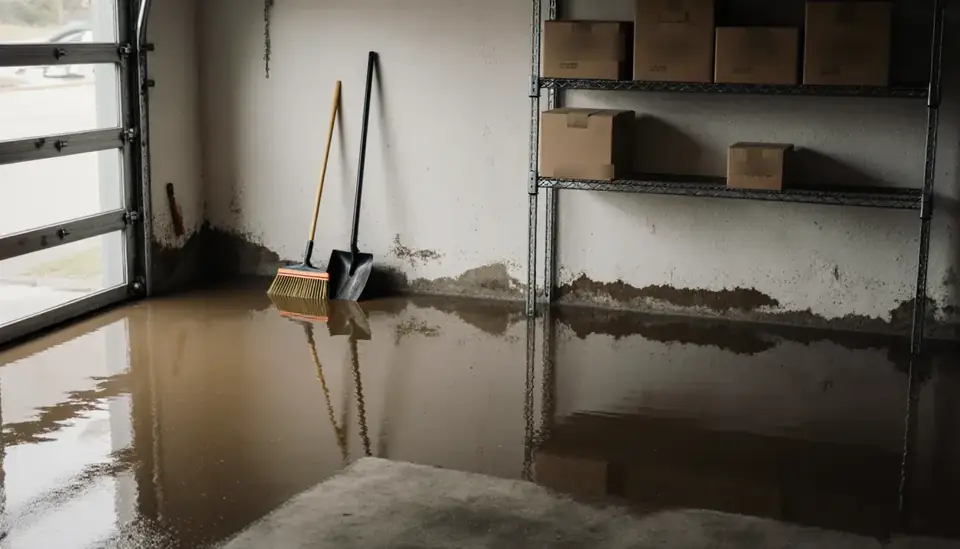
Basement Sewer Backups and Calling 311
The Department of Public Works defines a building backup as wastewater or sewage that comes back into a building because of a blockage, flow conditions or another malfunction in the collection system. Its guidance for a sewer overflow is to call 311 right away so DPW staff can investigate, clean, repair and sample as needed. Stay out of contact with the water, wash any exposed skin with warm soapy water, and launder affected clothing separately.
DPW also lists steps owners can take to lower the odds of a repeat:
- Disconnect roof leaders and sump pumps from the sanitary sewer.
- Have the private sewer lateral inspected and add an external cleanout.
- Keep grease, wipes, rags and hygiene products out of drains.
- Use drain strainers, and avoid planting trees over sewer lines.
Once the city side is reported, the inside of the house still needs sewage cleanup: removal of affected porous materials, disinfection of hard surfaces and thorough drying before anything is rebuilt.
First Hours in a Wet Row Home or Basement
Shut off the water at the main if a pipe or fixture is the cause; in many row homes the main valve is in the basement near where the service line enters. Turn off power to any circuit near standing water, and do not walk into a flooded basement if outlets or the panel are submerged. Move furniture, documents and anything stored on the floor to a dry level, and set aside damaged items rather than throwing them out until an adjuster has seen them.
A restoration crew will usually start with extraction, then set up air movers and dehumidifiers and take daily moisture readings until wood, plaster and masonry return to normal levels. In narrow row homes, equipment placement and power supply can be tight, so ask how many units the job needs and which circuits they will draw from. Keep the drying log the provider generates; it supports an insurance claim if one is filed.

Humid Summers and Mold in Brick Basements
The city averages about 45 inches of precipitation a year, and average relative humidity runs near 66 percent, rising to roughly 68 to 71 percent in summer. Damp air settles in below-grade spaces, and a basement that floods in July can show mold growth on wood, drywall paper or stored cardboard within a few days if it is not dried. Brick and stone foundation walls also wick moisture from the soil long after the visible water is gone.
Fast extraction and steady dehumidification are the main defenses. If you already see spotting or smell a musty odor, mold remediation involves containing the area, removing contaminated porous material and correcting the moisture source so the problem does not return. A provider can also assess whether a recurring damp wall points to drainage, gutter or grading issues outside.
Baltimore Neighborhoods and Surrounding Towns
Calls come in from across Baltimore, including:
- Fells Point
- Canton
- Locust Point
- Federal Hill
- Highlandtown
- Hampden
- Mount Vernon
- Roland Park
- Charles Village
- Pigtown
The same line also serves nearby communities such as:
Baltimore Water Damage Questions
Does a sewage backup in my Baltimore basement count as a city problem or mine?
That turns on where the clog sits. DPW asks residents to call 311 immediately so crews can investigate the public collection system. If the cause turns out to be in your private lateral, that line is the owner's responsibility. Either way, the inside of the house needs prompt cleanup because sewage is contaminated water, and porous materials it soaked are usually removed rather than dried.
My neighbor's leak came through our shared rowhouse wall. What should I do first?
Stop further damage if you can, then document it: dated photos, a note of when you first saw the stain, and moisture readings if a provider takes them. Let your neighbor know in writing and contact your own insurer. Plaster and brick on a party wall can stay wet for days, so have the wall checked with a meter even if the surface looks dry.
Is harbor flooding covered by my homeowners policy?
Standard homeowners policies usually exclude flood, including storm surge from the harbor. Flood coverage comes through a separate policy, often through the National Flood Insurance Program. You can look up your property's mapped flood zone on the FEMA Flood Map Service Center, and a sewer backup endorsement is another separate item worth checking on your existing policy.
How long does it take to dry out a flooded row home basement?
Drying time depends on how much water got in, what it soaked and how old the masonry is. Brick foundation walls and plaster release moisture slowly, so a basement can need several days of dehumidification after the floor itself looks dry. A provider should take readings each day and only remove equipment once materials reach normal moisture levels.