
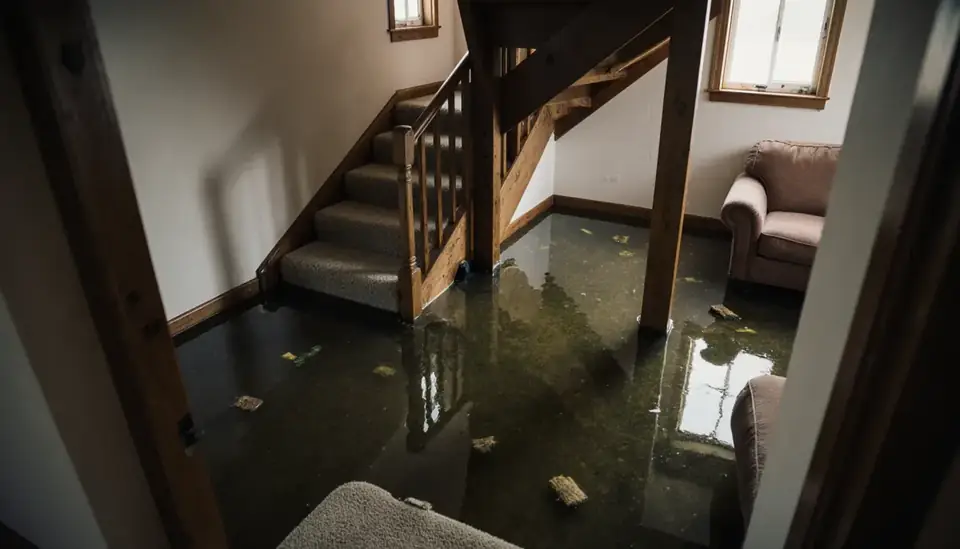
The Patapsco River draws Catonsville's western and southern edges, and the town sits up on the Piedmont, just above the Fall Line, at about 479 feet. That combination of high ground and a steep river valley produces fast runoff rather than slow, rising water. On May 27, 2018, the National Weather Service measured 10.38 inches of rain in Catonsville, the highest total of that storm, while flooding spread through the Patapsco Valley and into the community itself.
The Restoration Job does not do restoration work; we run a free 24/7 phone line. Call (888) 317-9980 and we will connect you with an independent restoration provider that serves Catonsville, whether the water came from a storm, a supply line or a backed-up drain.
How the call works: when you call (888) 317-9980, The Restoration Job connects you with an independent restoration provider that serves Catonsville. That provider inspects the damage, explains the scope and quotes the work. The Restoration Job doesn't perform restoration itself. Read our referral disclosure.
The Patapsco Valley and the 2016 and 2018 Cloudbursts
Ellicott City sits across the river, and the storms that devastated its Main Street in July 2016 and May 2018 also hit the Baltimore County side. In 2016 the Weather Service noted flooding of Oella Avenue and Route 144 as the Patapsco left its banks. In 2018 the river rose about 17 feet, and flooding was reported in Catonsville, Arbutus and Elkridge. The valley has a long memory of this: an 1868 flood killed 39 people around Ellicott City, and the remnants of Hurricane Agnes damaged the Old Main Line in 1972.
For most homes on the plateau, the risk is not the river reaching the house. It is several inches of rain in an hour overwhelming gutters, storm inlets and yard drainage, then pushing through basement walls, window wells and floor drains. Water that has crossed a yard or come up a drain is treated as contaminated, and flood cleanup involves removing porous materials it touched, not just drying them.
Streetcar-Era Houses Along Frederick Road
Catonsville began as a stop on Frederick Road in the early 1800s and grew into a streetcar suburb after commuter rail arrived in 1862 and electric lines followed in the 1890s. Wealthy Baltimore merchants built Victorian and colonial summer homes here, and many older streets still show that era. These houses come with stone or brick foundations, plaster walls, old cast iron and clay drain lines, and basements that were never meant to be finished.
Plaster holds water differently from drywall. It can often be dried in place if addressed quickly, but it can also hide moisture in the lath behind it. Hardwood floors may cup and then partially recover with controlled drying. A provider familiar with older homes will take moisture readings through walls and subfloors before deciding what has to come out.

Herbert Run Headwaters and Neighborhood Drainage
Both branches of Herbert Run start inside Catonsville, one near the Banneker Community Center and the other near Spring Grove Hospital Center, before the stream flows to the Patapsco. Small headwater channels like these respond within minutes to a downpour. Homes in low spots along these drainage paths, or at the bottom of sloped streets, see water first.
Practical steps help: extend downspouts at least several feet from the foundation, keep window well drains clear, and test the sump pump before summer storm season. A battery backup pump is worth considering, since thunderstorms that drop the most rain also knock out power.
Mold After a Wet Basement in a Humid Summer
Baltimore-area summers are hot and humid, and older Catonsville basements with stone walls tend to stay damp even in good weather. After a leak or flood, mold can start on cardboard boxes, carpet, drywall and wood framing within about two days. Musty odor that lingers after cleanup usually means something is still wet.
The goal is drying the structure to normal moisture levels and removing materials that cannot be saved. When growth covers more than a small patch, mold remediation with containment keeps spores from spreading to the rest of the house during removal.
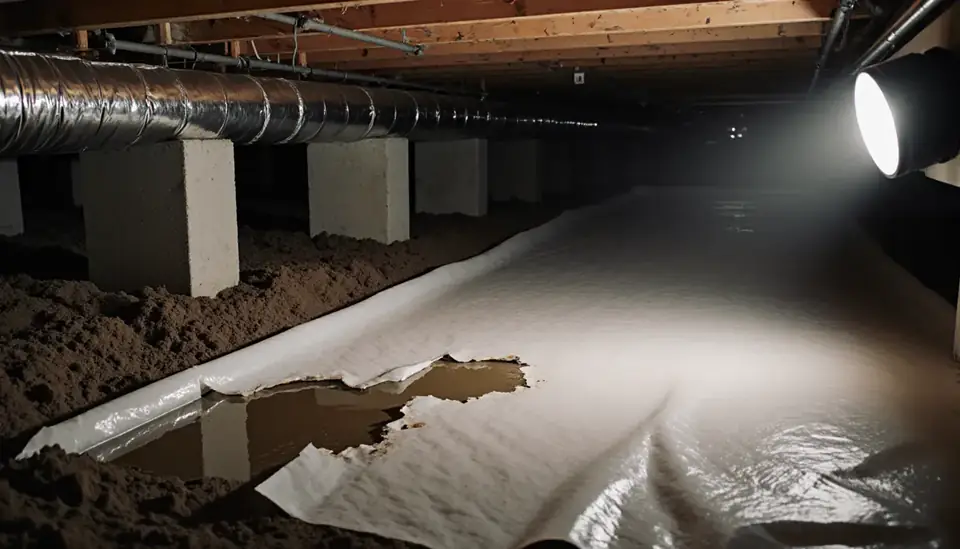
A Catonsville Basement Checklist for the First Few Hours
- Turn off power to a flooded basement at the panel if it can be reached without standing in water.
- Stop the source: the main water valve for a plumbing leak, or a tarp for a roof opening once the storm passes.
- Photograph water lines on walls, damaged items and any outside flooding.
- Move furniture off wet carpet and put foil under legs to prevent staining.
- Call your insurer and ask how sewer backup and surface flooding are treated under your policy.
Then call the line, describe the water source, and ask the provider how they plan to document drying for your claim.
Areas In and Around Catonsville
Calls come in from across Catonsville, including:
- Academy Heights
- Ingleside
- Oak Forest Park
- Paradise
- Summit Park
- Westchester
- Westview Park
- Winters Lane
- Woodbridge Valley
- Ellicott Mills
The same line also serves nearby communities such as:
- Arbutus
- Woodlawn
- Ellicott City
- Ilchester
- Oella
- Halethorpe
- Lansdowne
Frequently Asked Questions
Was Catonsville really hit hard in the May 2018 flood?
Yes. The National Weather Service reported 10.38 inches of rain at Catonsville on May 27, 2018, the highest reading from that storm. Flooding occurred in Catonsville, Arbutus and Elkridge as well as through the Patapsco Valley. Many local water losses that day came from overwhelmed drainage and basement intrusion rather than the river itself.
Can plaster walls in an older Catonsville house be saved after a leak?
Often they can, if drying starts quickly and the water was clean. Plaster and lath tolerate moisture better than drywall, though they hold it longer and can hide it. Moisture meters and sometimes small inspection holes tell a provider whether drying in place will work. Plaster soaked by floodwater or sewage is usually removed.
Where can I see whether my street is in a mapped flood zone?
Use the Maryland Department of the Environment's flood map site, mdfloodmaps.net, or the FEMA Flood Map Service Center. Homes near the Patapsco and its tributaries may fall in mapped areas, but plateau neighborhoods can still take water from heavy rain. Standard homeowners policies exclude flood, so ask about separate coverage.