
Bowie began as a railroad town. Lots went on sale near the junction in 1870 under the name Huntington City, and the name Bowie arrived in 1880. Then, in 1957, Levitt and Sons bought the Belair Estate and built Belair at Bowie, a planned community whose sections are known for their alliterative street names. The city re-incorporated in 1963, and most of its residents today live in that 1960s development. Covering more than twenty square miles of Prince George's County's coastal plain at an elevation of about 150 feet, Bowie mixes those aging Levitt houses with Old Town Bowie's older buildings and newer subdivisions and shopping near Bowie Town Center.
The Restoration Job connects callers to independent restoration providers and does not carry out repairs itself. Call (888) 317-9980 at any hour for a free connection to a provider serving Bowie.
How the call works: when you call (888) 317-9980, The Restoration Job connects you with an independent restoration provider that serves Bowie. That provider inspects the damage, explains the scope and quotes the work. The Restoration Job doesn't perform restoration itself. Read our referral disclosure.
Belair at Bowie Houses Turning Sixty
A neighborhood built in one burst ages all at once. Many of the Levitt-era houses in Belair at Bowie are now around sixty years old, and even where kitchens and baths have been redone, original pipes, drains and fixtures often remain behind the walls and under the floors. Problems that tend to show up in housing of this vintage include:
- Corroded supply pipes that develop pinhole leaks inside walls
- Cast-iron or clay sewer laterals that crack or fill with roots, causing backups into the house
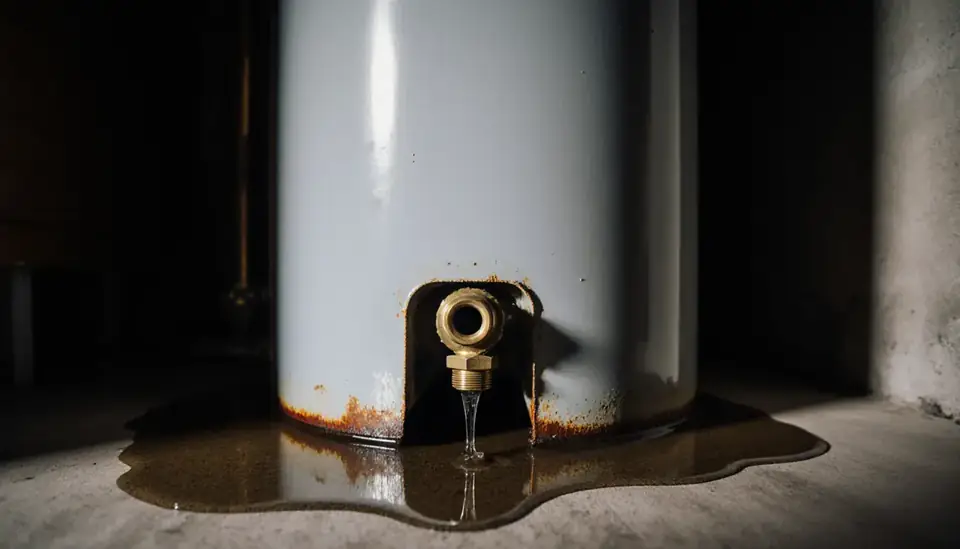
- Water heaters in utility closets beside living space, where a failure soaks floors and adjoining walls
- Additions and porch enclosures where newer roofs tie into older ones
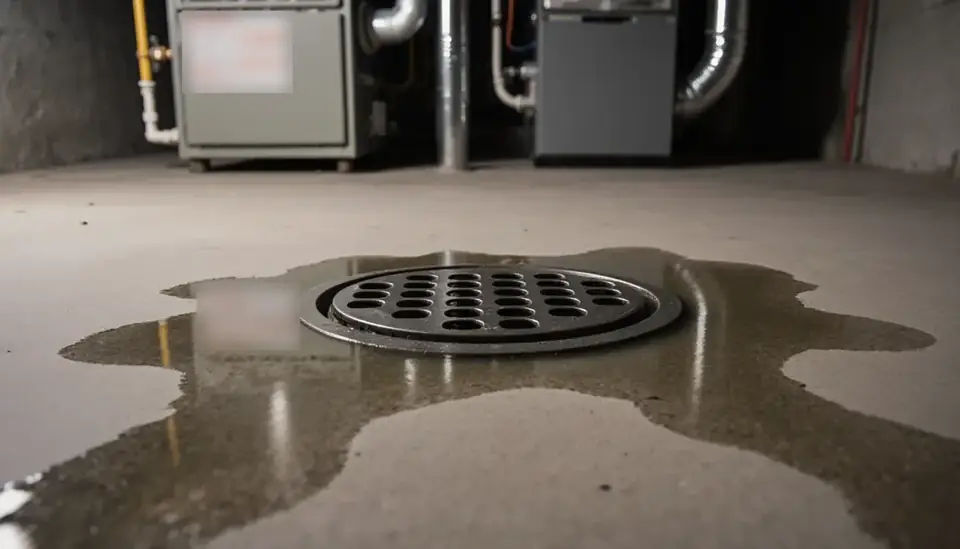
When wastewater comes up through a drain, the cleanup is a different job: anything porous it touched usually has to be removed, and surfaces are cleaned and disinfected before drying. See sewage cleanup for more detail.
Coastal Plain Streams and the Patuxent Valley
Prince George's County lies on the Atlantic coastal plain, with gently rolling hills and valleys, and the Patuxent River forms its eastern boundary with Anne Arundel County. Bowie's runoff moves toward that river through local streams, and to the south the Western Branch, joined by Collington Branch, carries water through the county toward the Patuxent. Low-lying yards near stream valleys and ponds are the first to collect water in a downpour.
Intense summer rain is the main flood threat. The National Weather Service counted the Maryland suburbs in Prince George's and Montgomery counties among the hardest hit on September 10, 2020, when two to five inches fell across the region, mostly in about two hours. Storms like that overwhelm gutters, inlets and sump pits, and push water under doors and into lower levels. If water entered from outside, a provider will treat it as contaminated and follow flood cleanup procedures.
Wind Storms, Outages and Roof Leaks
The mature trees that line Bowie's older streets are also a source of storm damage. The June 29, 2012 derecho knocked out power to about 1.2 million customers across the Washington area, and storms like it leave limbs on roofs and gutters torn loose. An outage also silences sump pumps. After a storm, check the attic and upper-floor ceilings for stains even if the roof looks intact from the ground, and cover any openings promptly. Providers offering storm damage cleanup can tarp roofs and dry out affected rooms.
A Practical Checklist for Bowie Homeowners
In the first hour after discovering water:
- Shut off the main water valve and, if safe, electricity to wet rooms
- Photograph and video every affected area before moving things
- Move furniture, electronics and documents to a dry space
- Call your insurer to open a claim, and ask whether your policy includes sewer and drain backup coverage
Next, call (888) 317-9980 so we can connect you with an independent provider. A crew will usually extract standing water, take moisture readings, remove materials that cannot be dried, and run air movers and dehumidifiers for several days. If you are unsure whether your property is near a mapped floodplain, check the FEMA Flood Map Service Center; standard homeowners policies exclude flood.

Mold in a Humid Mid-Atlantic Summer
Bowie's summers are hot and sticky, and 2018 showed how wet a year can get, with Reagan National recording a record 66 inches of precipitation. In those conditions, drywall, carpet pad and wood framing that stay damp after a leak can begin to grow mold within a couple of days. Run a dehumidifier, keep air moving, and do not put flooring or baseboards back until readings are normal. If you see spreading growth or smell mustiness weeks later, consider a provider that offers mold remediation.
Bowie Neighborhoods and Surrounding Towns
Calls come in from across Bowie, including:
- Belair at Bowie
- Old Town Bowie
- Bowie Town Center
The same line also serves nearby communities such as:
- Mitchellville
- Glenn Dale
- Lanham
- Woodmore
- Largo
- Lake Arbor
- Crofton
Frequently Asked Questions
Sewage came up through the floor drain in my Bowie house. Is it safe to clean myself?
Sewage carries bacteria and other contaminants, so it is safest to keep people and pets away and let a professional handle it. Porous materials like carpet, pad and lower drywall that the water touched usually need to be removed. If the backup came from a public main rather than your private lateral, report it to the utility serving your address. Call (888) 317-9980 for a provider.
Does my older Belair home need any special care when drying?
Older houses may have materials such as plaster, older vinyl flooring or pipe insulation that should be tested for asbestos or lead before they are cut or removed. Original hardwood can often be dried in place if the response is quick. Ask the provider what they plan to keep and what they plan to remove, and why, before work begins.
My street did not flood, but my basement did. Why?
In short, heavy storms, water often reaches a house through overflowing gutters, downspouts that dump next to the foundation, window wells, or a sump that cannot keep up, even when the street drains fine. A backup in the sewer lateral is another possibility. Identifying the entry point matters for both insurance and prevention, so describe what you saw to the provider and your insurer.