
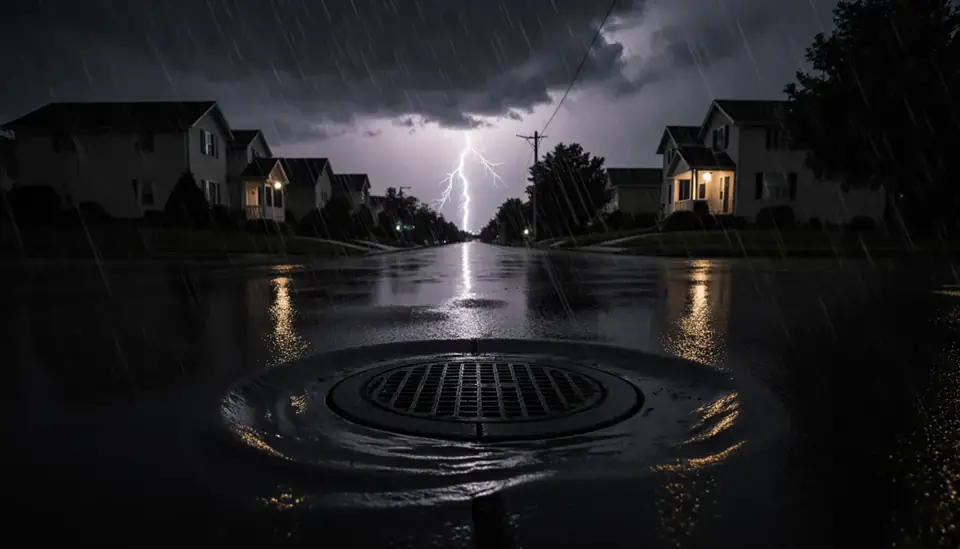
Postwar Wheaton was built quickly. After World War II the land around the old Leesborough business district filled with Cape Cods, ranch houses and split-levels bought by middle-class families, and by the 1960s Wheaton Plaza was the largest shopping center in the Maryland suburbs of Washington. Many of those mid-century houses are still standing, now roughly seventy years old, and their lower levels, aging drain lines and original grading account for a large share of the water problems people here call about.
The Restoration Job is a free service that puts callers in touch with independent restoration providers; it does not do the work itself. Call (888) 317-9980 any time and we'll connect you with a provider serving Wheaton, Glenmont, Kemp Mill and nearby communities.
How the call works: when you call (888) 317-9980, The Restoration Job connects you with an independent restoration provider that serves Wheaton. That provider inspects the damage, explains the scope and quotes the work. The Restoration Job doesn't perform restoration itself. Read our referral disclosure.
Split-Levels, Ramblers and Below-Grade Family Rooms
A split-level puts its lowest floor partly below the ground outside, and many Cape Cods and ramblers from the 1950s have full or partial basements. Those lower rooms were often finished decades later as family rooms or bedrooms, with carpet laid directly over concrete and drywall running down to the slab. When groundwater seeps through a foundation wall or a floor drain backs up, the finished materials soak it up quickly.
Typical trouble spots in homes of this age include:
- Downspouts that empty right beside the foundation
- Yards that have settled so they now slope toward the house
- Basement floor drains tied to aging sewer laterals
- Water heaters and washers on the lowest level
- Window wells that fill during intense rain
Sligo Creek Headwaters and the Northwest Branch
Sligo Creek rises in the Kemp Mill area and flows south through Wheaton toward Silver Spring and Takoma Park, and the Sligo Creek Trail begins here. The Northwest Branch watershed takes in Wheaton along with Glenmont, Kemp Mill and Layhill. Wheaton Regional Park and Brookside Gardens hold a large block of green space, but the surrounding neighborhoods and the commercial core around Veirs Mill Road, University Boulevard and Georgia Avenue are heavily paved.
When rain falls faster than storm drains can carry it, water collects in low streets and yards. The September 10, 2020 storm, which dropped two to five inches over the region in roughly two hours and hit the Montgomery County suburbs especially hard, produced exactly that kind of flash flooding on roads and small streams.
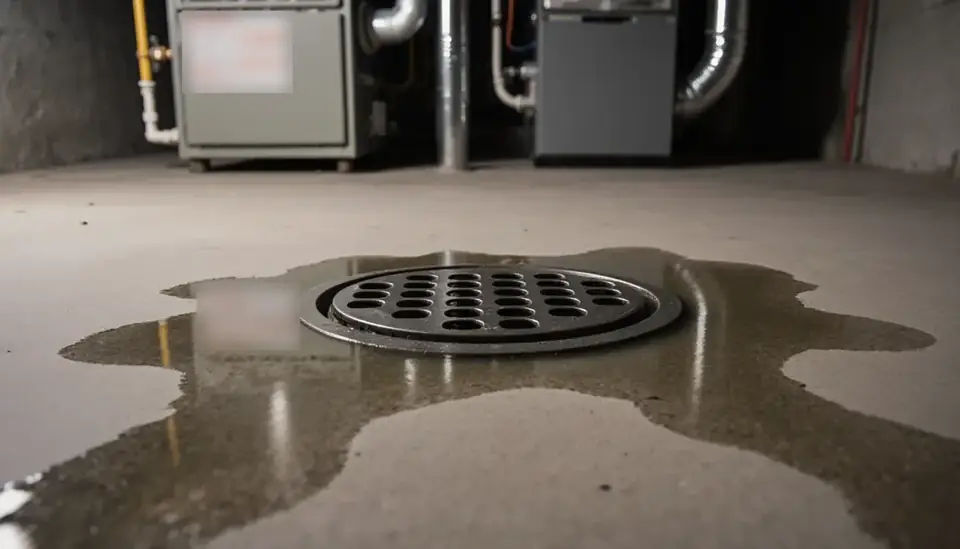
Sewage Backups Through Basement Drains
Older homes often have a floor drain at the lowest point of the basement connected to the sewer. If the public line or your own lateral is blocked, or the system is overloaded during a storm, wastewater can come up through that drain. This is contaminated water: avoid contact, keep children and pets away, and do not use household fans to dry it. Stop running water and flushing toilets in the house until the cause is known.
Report a suspected public sewer problem to WSSC Water's emergency line, 301-206-4002. Restoration of a sewage-affected basement involves removing porous materials the water touched, cleaning and disinfecting hard surfaces, and then drying. A provider offering sewage cleanup has the protective equipment for it.
The Order of Work in a Wheaton Basement Recovery
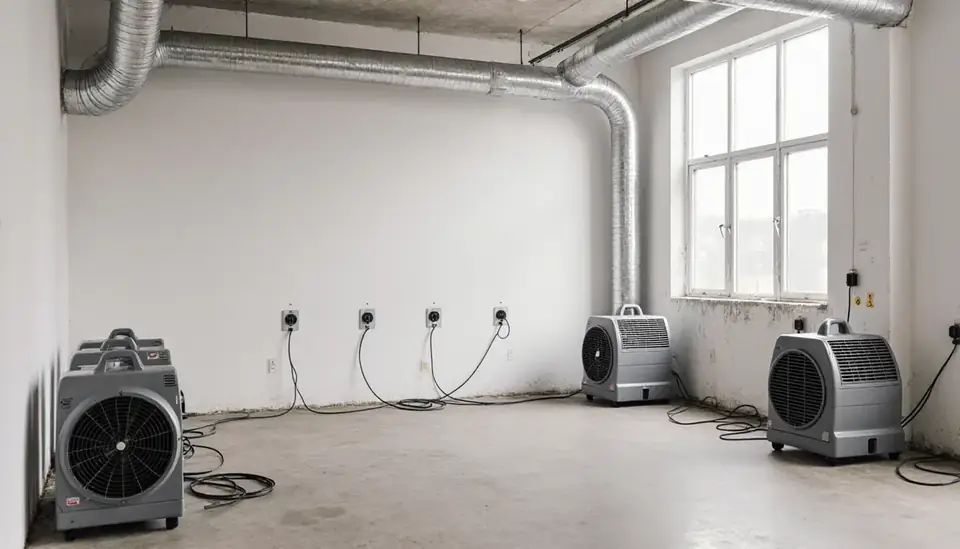
Professional cleanup here tends to follow a predictable order. The source is stopped, the water category is identified, and standing water is extracted. Wet carpet pad usually comes out, and drywall is cut above the high-water line so the cavity can dry. Dehumidifiers and air movers then run for several days while a technician logs moisture readings. Only when readings confirm dry materials should new drywall, paint and flooring go in. Throughout, keep photos, receipts and a list of damaged items for your insurer. For more on the full sequence, see our overview of water damage restoration.
Humidity, Carpeted Basements and Mold
Montgomery County summers are long, hot and humid, and a carpeted basement that was wet for even a day or two can start growing mold on the pad or the back of the drywall. Run a dehumidifier through the warm months, keep stored items off the floor in plastic bins rather than cardboard, and investigate musty odors promptly. Mold removal on a larger area should be done under containment so spores are not spread through the rest of the house during cleanup.
Where Callers in the Wheaton Area Are
Calls come in from across Wheaton, including:
- Downtown Wheaton
The same line also serves nearby communities such as:
- Silver Spring
- Aspen Hill
- Glenmont
- Kemp Mill
- Kensington
- Layhill
Common Questions
Why does my split-level's lower room get wet after heavy rain?
Because that floor is partly below grade, any water pooling against the foundation can seep through the wall or slab joint. Settled soil that slopes toward the house, short downspouts and clogged window wells are common culprits. Fixing exterior drainage often reduces the problem. If water is already inside, extraction and drying should start soon to keep mold from developing.
Is a sewer backup covered by my homeowners insurance?
Standard homeowners policies often exclude water that backs up through drains or sewers unless you added a water backup endorsement. Flood damage from surface water is a separate exclusion that requires flood insurance. Read your policy or call your agent, and photograph the backup, the drain and the water level before any cleanup starts.
What can I do right now while I wait for help in Wheaton?
Stop the water source if possible and stay out of standing water near outlets. For clean water, lift furniture, pull up rugs and run a dehumidifier. For sewage, leave the area alone and keep everyone out. Photograph everything. Then call (888) 317-9980 and we'll connect you with an independent provider that serves Wheaton.