

Two very different kinds of building share Bethesda. Around the Red Line station, mid- and high-rise residential and office towers rose after Metro arrived in 1984, partly because the District's height limits pushed tall construction just over the line. A few blocks away sit houses from the streetcar and railroad eras that followed the 1890 trolley line and the 1910 Georgetown Branch. A water emergency in a 15th-floor condo plays out nothing like one in the basement of a house built generations earlier, and knowing which situation you are in shapes every next step.
The Restoration Job connects callers with independent, third-party restoration providers; it does not perform the work. Call (888) 317-9980 at any hour and we'll link you with a provider covering Bethesda and nearby parts of Montgomery County.
How the call works: when you call (888) 317-9980, The Restoration Job connects you with an independent restoration provider that serves Bethesda. That provider inspects the damage, explains the scope and quotes the work. The Restoration Job doesn't perform restoration itself. Read our referral disclosure.
Condo and Office Towers Around the Metro and Woodmont Triangle
In a tower, water moves down. A failed washing-machine hose, a cracked toilet tank or a fan-coil unit that overflows its drain pan on an upper floor can reach several units below before anyone notices, and fire-sprinkler discharges release a lot of water fast. Residents of the Woodmont Triangle and the blocks around Bethesda Row should know where their in-unit shutoff is and how to reach building engineering after hours.
Responsibility in a condominium usually splits between the association and the owner according to the governing documents, with the association's master policy and each owner's unit policy covering different parts of the loss. Report the leak to management, notify the owners above and below, and photograph everything. A restoration provider can map moisture across every affected unit so the drying plan covers ceilings, walls and floors on all levels involved.
Little Falls Branch, Cabin John Creek and Piped Streams
Much of the natural drainage under Bethesda has been engineered. Little Falls Branch rises at the Chevy Chase Country Club and runs about four miles to the Potomac, draining parts of Bethesda, Somerset and Friendship Heights, and long stretches of it and its tributaries, including Willett Branch, flow through pipes, culverts and concrete channels. To the west, the Cabin John Creek watershed is described as highly developed. When intense rain overwhelms piped streams and inlets, water backs up into streets and finds its way into the lowest openings of nearby buildings: garage entrances, areaways and basement doors.
Montgomery County was among the hardest-hit areas on September 10, 2020, when the National Weather Service recorded two to five inches of rain across the region, mostly in about two hours, with roads and streams flash flooding. Storms like that are the main cause of flood cleanup calls in this part of the county.

Basements in Edgemoor, Battery Park and Older Streets
Neighborhoods such as Edgemoor, Battery Park and Drummond are made up largely of single-family houses, some of them decades old. Where a lower level has been finished, it holds drywall, carpet, built-ins and mechanical equipment, so even a few inches of water causes a lot of damage. Common entry points include:
- Window wells without working drains or covers
- Exterior basement stairwells whose drain clogs with leaves
- Sump pumps that fail when power goes out during a storm
- Floor drains that back up when the sewer line is overloaded or blocked
Power loss deserves attention. The June 29, 2012 derecho left an estimated 1.2 million customers without electricity in the Washington area, and a sump pump without battery backup does nothing during an outage. Heavy tree cover also matters: during Tropical Storm Isaias in 2020, downed trees and wires were reported across the county, including near Potomac.
What a Thorough Dry-Out Involves Here
Good water damage restoration in Bethesda starts with identifying the water category. Clean water from a supply line can often be dried in place if the response is quick, while sewage or floodwater requires removing porous materials it touched. From there, a provider will extract standing water, open up wet walls as needed, and set up structural drying equipment with daily moisture readings. In high-rise units, crews also coordinate with building management on access, elevator use and work hours. Keep receipts for any hotel stay or emergency purchases, since many policies reimburse additional living expenses.
Mold Risk in Finished Lower Levels
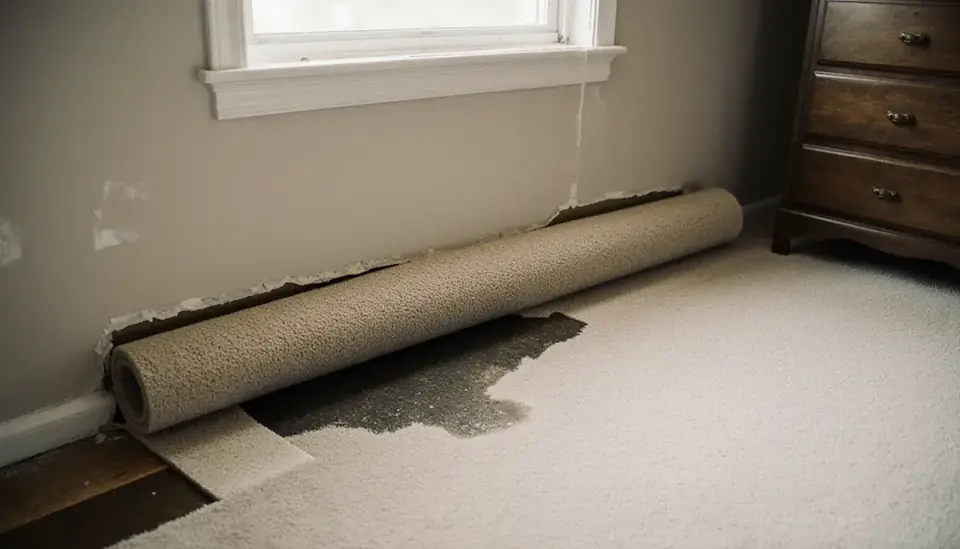
Summer in Montgomery County is hot and humid, and finished basements rarely get enough air movement to dry on their own. Carpet pad, drywall and the paper backing on insulation can support mold within a day or two of getting wet. If a leak went unnoticed behind a vanity or under a hardwood floor, the first sign may be a musty smell weeks later. A provider that handles mold remediation can contain the area, remove affected materials and confirm that the moisture source has been fixed.
Bethesda Neighborhoods and Surrounding Towns
Calls come in from across Bethesda, including:
- Woodmont Triangle
- Bethesda Row
- Edgemoor
- Battery Park
- Drummond
- Woodmont
The same line also serves nearby communities such as:
- Chevy Chase
- Somerset
- Friendship Heights
- North Bethesda
- Potomac
- Cabin John
- Rockville
Bethesda Water Damage Questions
A leak from the condo above damaged my ceiling. Whose insurance handles it?
That depends on where the leak started and on your association's governing documents, which define what the master policy covers versus each owner's policy. Report it to building management and your own insurer promptly, and get the upstairs owner's contact information. Photos and moisture readings taken early help everyone sort out responsibility later, so let the provider document your unit before repairs begin.
Why did my Bethesda basement flood when no stream is anywhere near my house?
Many small streams in this area run through pipes and culverts, and street drainage can be overwhelmed by intense rain even far from open water. Basements also take in water through window wells, stairwell drains and failed sump pumps. Standard homeowners policies typically exclude surface flooding, and drain or sump backup coverage usually requires a specific endorsement, so read the policy wording closely.
Should I run my own fans and dehumidifier while waiting for help?
Yes, if the water is clean and the area is safe from electrical hazards. Moving air and pulling humidity out helps. Do not use household fans on sewage or floodwater, because they can spread contamination. Lift furniture off wet carpet, remove rugs and take photos. Then call (888) 317-9980 and we'll connect you with an independent provider that serves Bethesda.