
Crofton began in the fall of 1964, when the Crawford Corporation laid out a planned community on more than 1,600 acres of the old Duvall family farm, inside the triangle formed by Crain Highway, Davidsonville Road and Defense Highway. Six decades later, the community holds close to 30,000 residents and more than 10,800 housing units, and the oldest of those homes now carry plumbing, roofs and water heaters that have been replaced at least once, or are overdue for it.
As a no-cost referral service, The Restoration Job does not do the work itself. Call (888) 317-9980 any hour and we'll connect you with an independent restoration provider that works in Crofton, whether the problem is a burst supply line in a house off Crofton Parkway or a soaked finished basement after a summer downpour.
How the call works: when you call (888) 317-9980, The Restoration Job connects you with an independent restoration provider that serves Crofton. That provider inspects the damage, explains the scope and quotes the work. The Restoration Job doesn't perform restoration itself. Read our referral disclosure.
Six Decades of Housing Around Crofton Parkway
The 3.5-mile loop of Crofton Parkway circles the original core of the community, and the housing around it reflects when each section was built. Homes from the first building years are now around sixty years old, while later sections, including areas such as Crofton Park to the northeast of the original triangle, came along afterward. That spread matters after a leak. An older house may have galvanized or early copper lines, original subfloors and several layers of flooring, while a newer townhouse is more likely to have plastic supply lines, drywall ceilings shared with a neighbor and a water heater in a tight utility closet.
Common indoor sources in a community like this include:
- Failed washing machine hoses and toilet supply lines on upper floors, which can bring down a ceiling below.
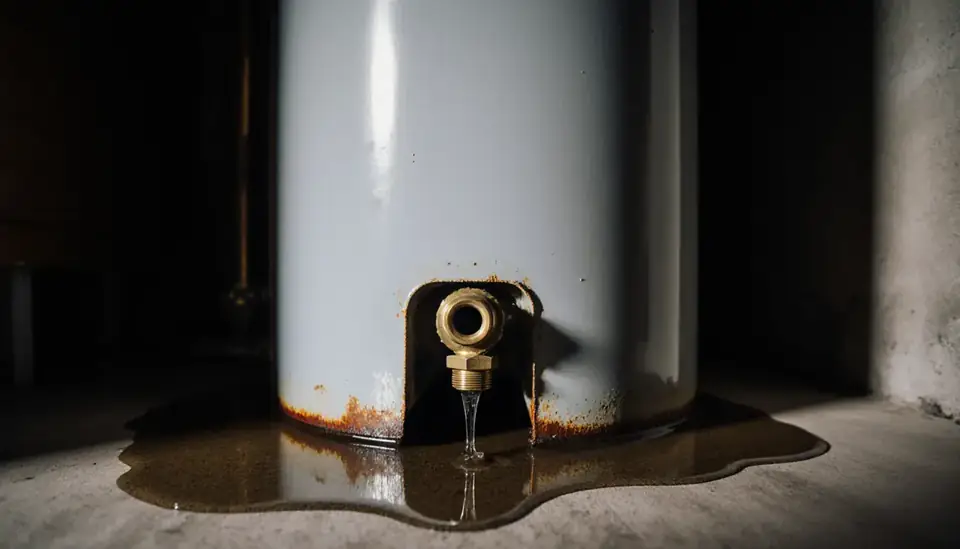
- Water heaters that have reached the end of their service life and start leaking from the tank.
- Ice-maker and dishwasher connections hidden under cabinets, where slow leaks rot subfloors before anyone notices.
Little Patuxent River and Neighborhood Runoff
The Little Patuxent River runs along Crofton's southwest corner on its 38-mile course out of Howard County, joining the main Patuxent a short way southwest of the community. Crofton itself sits around 98 feet above sea level and is entirely land, so most homes are well removed from tidal flooding. The bigger day-to-day threat is runoff: heavy rain over lawns, roads and parking lots that pools against foundations, overwhelms window wells or backs up where storm inlets clog.
Stormwater ponds are a familiar part of the landscape here; the ponds behind the Crofton post office drew national attention in 2002 for an invasive snakehead fish, not flooding. If a county storm drain, culvert or pond near your property is failing to carry water away, Anne Arundel County takes drainage reports through its 311 line, while water already inside the house calls for water extraction and drying as soon as possible.
When the Power Goes Out, the Sump Pump Stops
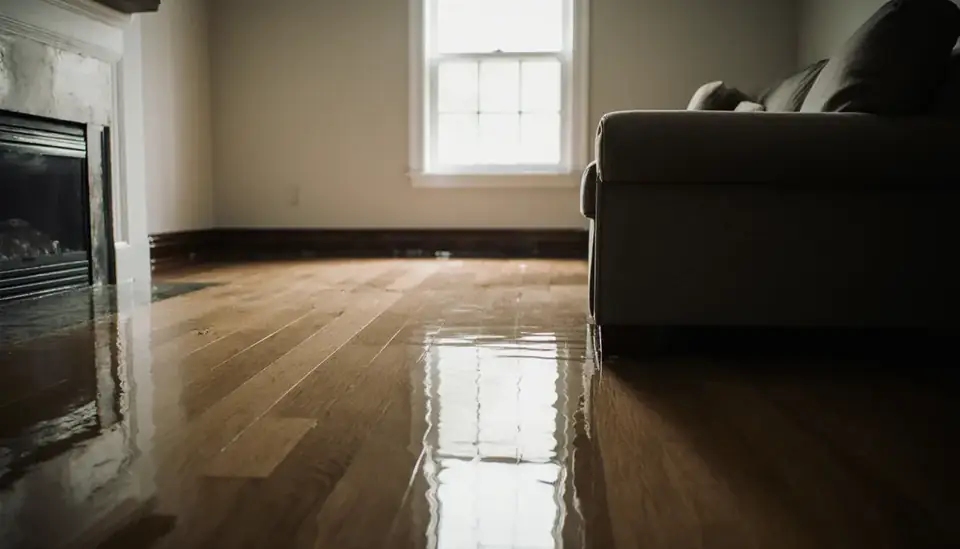
Many local basements depend on a sump pump, and sump pumps depend on electricity. During Hurricane Isabel in September 2003, about 93 percent of the 211,000 power customers in Anne Arundel County lost service, which shows how widely a big storm can knock out pumps at the very moment groundwater is rising. Summer thunderstorms and winter ice can do the same on a smaller scale.
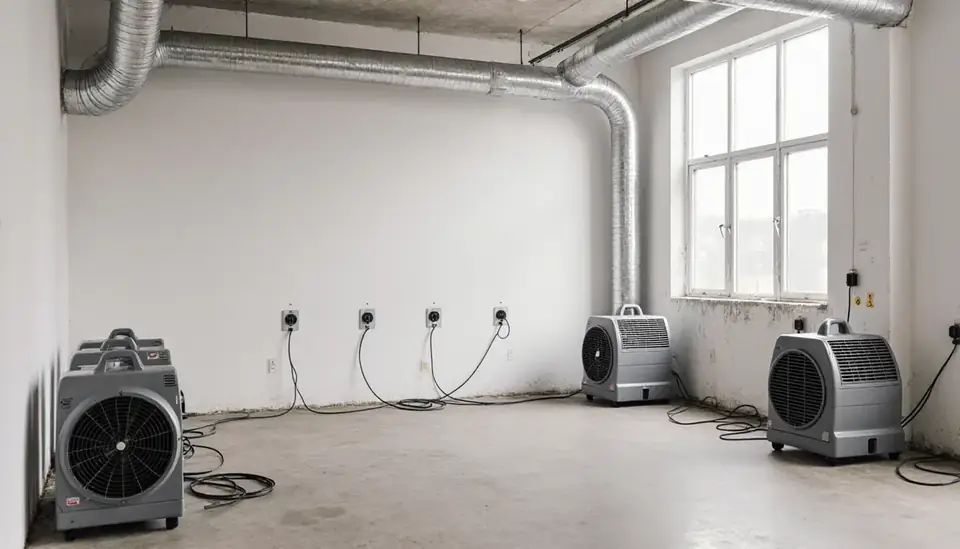
A battery backup or a water-powered backup pump, plus a high-water alarm, is a sensible investment for any finished lower level. If the basement has already taken on water, a restoration crew will usually pump out standing water, pull wet carpet pad, check the lower edges of drywall with moisture meters and set up dehumidifiers and air movers until readings return to normal.
A First-Day Checklist for Crofton Households
The first hours after a leak or flood decide how much of the house can be saved. A reasonable order of work:
- Shut off the main water valve if a pipe or fixture is the source, and switch off power to wet areas only if it is safe to reach the panel.
- Photograph the water, the source and damaged belongings before moving anything, for your insurance claim.
- Move rugs, furniture and boxes off wet floors; put foil or wood blocks under furniture legs that must stay.
- Call your insurer, then arrange water damage restoration so drying starts quickly.
Standard homeowners policies usually treat sudden pipe bursts differently from surface water that flows in from outside, which generally needs a separate flood policy. If you are unsure which applies, ask the adjuster before discarding anything.
Humid Summers and Mold Below Grade
Anne Arundel County has a humid subtropical climate with about 40 inches of precipitation spread fairly evenly across the year, and the damp, warm months give mold an easy start. Wet drywall, carpet pad and the paper backing on basement insulation can show growth within a few days if they are not dried or removed. Musty odor in a finished basement after a storm is a common early sign, even when surfaces look dry.
Mold cleanup here is mostly about finding and drying the moisture source first, then removing materials that cannot be dried and cleaning what remains. A provider offering mold remediation should be able to explain what will be removed, how the work area is contained and how dryness is confirmed before walls are closed up.
Crofton Neighborhoods and Surrounding Towns
Calls come in from across Crofton, including:
- Crofton Park
The same line also serves nearby communities such as:
- Gambrills
- Odenton
- Davidsonville
Frequently Asked Questions
Does Crofton flood from the Little Patuxent River?
Crofton sits around 98 feet above sea level, and the Little Patuxent only touches its southwest corner, so river flooding reaches relatively few homes. Most water damage here comes from plumbing failures, roof leaks and storm runoff that collects against foundations or in window wells. To check a specific address, the Maryland Department of the Environment's flood map site shows FEMA flood zones and preliminary map changes.
Who handles drainage problems on Crofton streets?
Anne Arundel County's Department of Public Works maintains county storm drains, culverts and stormwater ponds and takes concerns through 311 or its online reporting portal. Problems on private lots, such as a clogged yard drain or a downspout dumping against the foundation, are generally the owner's to fix. Water already inside the home is a separate matter that an independent restoration provider can handle.
Is a sewage backup in a Crofton basement a county problem?
It depends where the blockage is. Overflows from the public sewer can be reported to Anne Arundel County's 24-hour Emergency Services line at (410) 222-8400. A clog in your own house connection is usually the owner's responsibility. Either way, sewage-contaminated materials need careful handling, so ask a provider about proper sewage cleanup rather than mopping it up yourself.
How can I reach a restoration provider in Crofton at night?
The Restoration Job's phone line at (888) 317-9980 is answered 24/7. We connect you with an independent restoration provider that serves Crofton; many providers in the area often offer emergency service, though availability varies. While you wait, stop the water source if you can, keep people away from wet electrical areas and start documenting the damage with photos.