
At roughly 2,000 feet on the eastern slope of Big Savage Mountain, this old coal town lives with mountain weather most of the year. Frostburg averages just over 80 inches of snow a season, and in January 1978 it recorded 67 inches in a single month. It sits at the head of the Georges Creek valley, where the Allegheny Mountains give way to the coal basin that runs south toward Westernport. About 7,000 people live here year-round, and Frostburg State University adds roughly 5,400 students, many of them in rental houses and apartments.
The Restoration Job is a free referral line; it doesn't employ technicians or own equipment. Call (888) 317-9980 at any hour and we'll connect you with an independent restoration provider that serves Frostburg and the rest of Allegany County.
How the call works: when you call (888) 317-9980, The Restoration Job connects you with an independent restoration provider that serves Frostburg. That provider inspects the damage, explains the scope and quotes the work. The Restoration Job doesn't perform restoration itself. Read our referral disclosure.
Long Winters at 2,000 Feet
January's average daily temperature here is about 26 degrees, and cold weather lasts well into spring. That creates a steady run of winter water problems:
- Frozen pipes in exterior walls, crawl spaces, porches and unheated basements, which usually leak once they thaw.
- Ice dams at the eaves, where melting snow backs up under shingles and drips into ceilings and walls.
- Heavy snow loads that stress older roofs and gutters.
- Snowmelt pooling against foundations and seeping into basements.
Keep heat on in vacant houses and rentals over winter breaks, insulate pipes in vulnerable spots and clear snow away from basement windows. When a pipe does burst, shut off the main and call for water extraction quickly; cold, wet framing dries slowly without equipment.
Record Rain in the Georges Creek Valley
Mountain weather produces big rain totals too. In 2018, a Frostburg station measured 74.58 inches of precipitation, more than 30 inches above normal. Downstream, Georges Creek near Westernport set a new record crest of 15.2 feet on May 13, 2025, breaking the 1996 mark. That is above the level at which the Weather Service expects numerous buildings and roads in Westernport and points upstream to flood. Wills Creek near Cumberland also crested above 14 feet the next day.
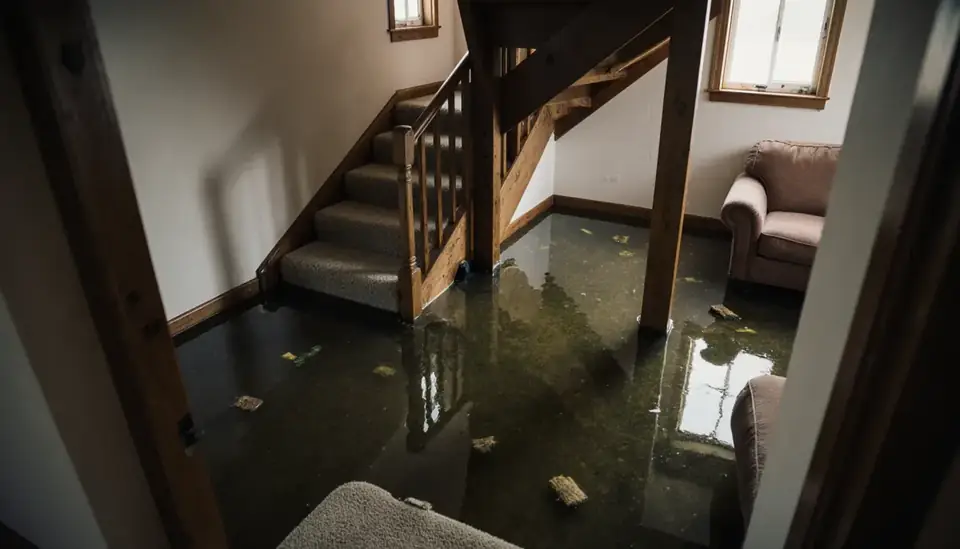
On a hillside town, heavy rain runs downhill fast. Homes below steep streets or cut slopes can take water through basement doors and foundation cracks, and older storm drains can back up. If water came from outside, treat it as contaminated and plan for proper flood cleanup rather than a simple mop-up.

Lessons From the 1998 Tornado
On the night of June 2, 1998, a tornado tore through Frostburg, destroying 29 homes, causing major damage to 29 more and damaging Frostburg Elementary School. The Weather Service noted that people who got the warning went to their basements, which helped keep injuries few. Severe storms here are uncommon but real. After any wind event, check the roof, flashing and gutters for damage, cover openings with tarps and photograph everything before repairs. Rain entering through storm damage can soak attic insulation and ceilings for days before a stain appears, so look in the attic, not just the rooms below.
Student Rentals, Landlords and Who Calls Whom
With a large student population, many leaks here happen in rental units, often during breaks when nobody is home. Tenants should report water right away, in writing, and photograph the damage and their own belongings. Landlords are generally responsible for building repairs, while renters insurance typically covers a tenant's possessions. Landlords can reduce winter losses by checking vacant units, keeping thermostats set above freezing and making sure tenants know where the shutoff valve is.
Damp Basements and Mold in Older Mining-Era Homes
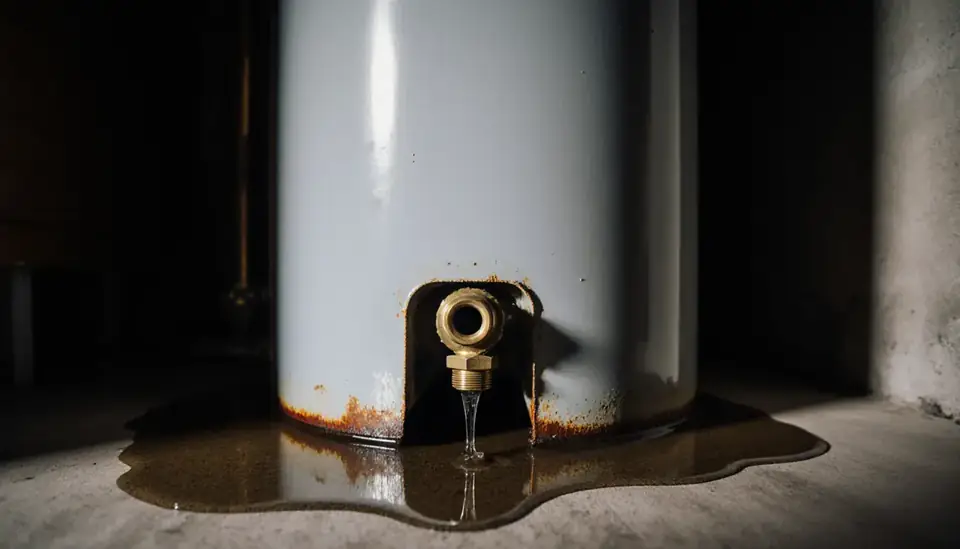
Many homes in coal towns like this one have stone or block foundations and basements that were never meant to be living space. They stay cool and damp, and after a leak, mold can take hold on wood and drywall within days, even with mountain temperatures. Dry wet areas thoroughly, remove soaked carpet and cardboard and run a dehumidifier in warmer months. A provider offering mold remediation can address visible growth once the moisture problem has been corrected.
Areas In and Around Frostburg
The same line also serves nearby communities such as:
- Cumberland
- LaVale
- Mount Savage
- Eckhart Mines
- Lonaconing
- Midland
Common Questions
How do I prevent pipes from freezing in a Frostburg winter?
Insulate pipes in exterior walls, crawl spaces and basements, seal drafts near plumbing and keep the heat at a steady setting, even when the house is empty. On the coldest nights, open cabinet doors under sinks and let a faucet drip. Disconnect hoses and shut off outside spigots before the first hard freeze. If a pipe freezes, thaw it slowly with warm air and never with an open flame.
I rent near campus and water is coming through the ceiling. What should I do?
Move your belongings and electronics out of the way, take photos and notify your landlord or property manager immediately, ideally by text or email so there is a record. If water is near light fixtures or outlets, stay clear and ask for the power to be shut off. Your landlord typically arranges building repairs, while renters insurance may cover damaged personal property.
What is an ice dam and how does it cause leaks?
An ice dam forms when heat escaping from the house melts snow on the roof, and the meltwater refreezes at the colder eaves. Water then pools behind the ice and works under shingles, soaking roof decking, insulation and walls. Better attic insulation and ventilation reduce the problem. If you see icicles with water stains inside, have the roof and ceiling checked and dried.