
Virginia's flood risk changes sharply between the coast and the mountains. Around Hampton Roads, water arrives with the tide and with storm surge pushed up the Chesapeake Bay. West of the fall line, the bigger danger has historically been rain: remnants of hurricanes stall against the Blue Ridge and send rivers like the James, Roanoke and Shenandoah out of their banks within hours.
The Restoration Job is a free referral line. Call (888) 317-9980 and we'll connect you with an independent restoration provider that serves your part of Virginia, whether the problem is a flooded basement in Fairfax County, a tidal-flood crawl space in Norfolk or a burst supply line in Roanoke.
Tidal Flooding and Storm Surge Around Hampton Roads
Sea level along the mid-Atlantic coast has been rising at roughly three times the global pace, and parts of Hampton Roads have seen more than a foot of rise over about 80 years, according to the Union of Concerned Scientists. In Norfolk, the number of tidal flooding events each year has tripled since the 1970s. NOAA expected its Sewells Point gauge in Norfolk to log the most high-tide flood days in the Mid-Atlantic region in 2023, with September and October perigean tides a known trouble spot.
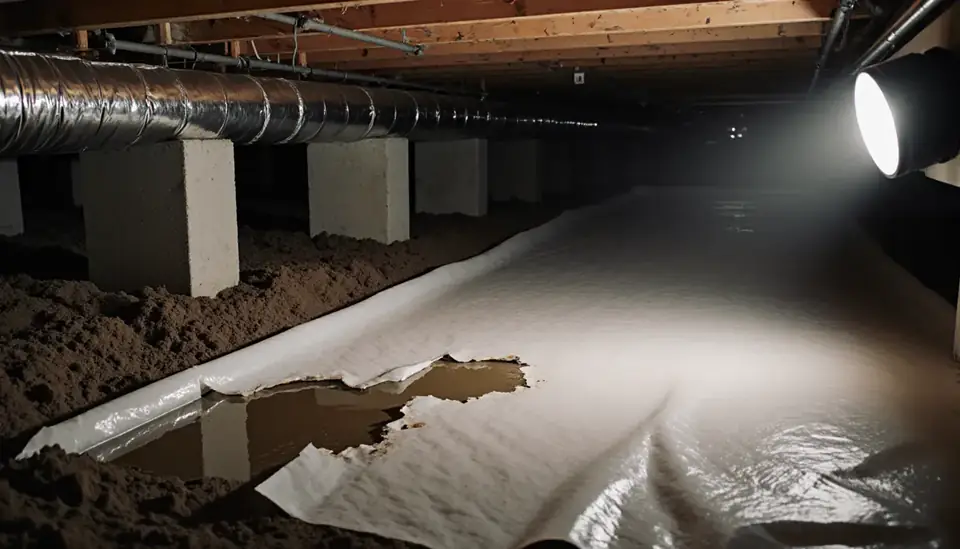
For homeowners this means saltwater in crawl spaces, ruined ductwork and insulation under raised floors, and garages that take on water during a nor'easter even without heavy rain. Flood-zone homes in Virginia Beach, Chesapeake, Portsmouth, Hampton and Poquoson often need flood cleanup that includes crawl-space drying and checking HVAC components, not just carpet removal.
Mountain Flash Floods: The Lessons of Camille and the 1985 Election Day Flood
Some of Virginia's deadliest disasters struck far from the ocean. The National Weather Service notes that the remnants of Hurricane Camille in August 1969 dropped 10 to 30 inches of rain on Nelson, Amherst and Rockbridge counties, killing 153 people in Virginia, 123 of them in Nelson County alone. In November 1985, the Election Day Flood brought 6 to 14 inches of rain to the Roanoke and James basins; the Roanoke River rose nearly 19 feet in 12 hours.
Hurricane Agnes in 1972 damaged nearly 4,400 homes across central and western Virginia, and Hurricane Fran in 1996 set record river levels in the Shenandoah basin. Homes in river valleys and hollows, from Buena Vista to Roanoke to Front Royal, can face fast-moving water carrying mud and debris. That kind of loss usually involves silt removal, sanitizing, and structural drying of framing and subfloors before rebuilding.
Basements, Crawl Spaces and Winter Pipe Bursts
Housing stock varies by region. Northern Virginia suburbs have many finished basements, where sump pump failures and window-well leaks during heavy rain are common sources of water damage. Tidewater and Southside homes are more often built over crawl spaces, which hold moisture and can grow mold on joists and insulation long after the visible water is gone. Older homes in Richmond, Lynchburg and Staunton may have plaster walls and original plumbing.
- Cold snaps can freeze pipes in exterior walls, unheated crawl spaces and attics, especially in the Shenandoah Valley and Southwest Virginia.
- Humid summers mean wet drywall and carpet pad can start growing mold within a couple of days, so drying should start quickly.
- Sewage backups after heavy rain require different handling than clean-water leaks; ask a provider about sewage cleanup procedures.
Flood Insurance, Flood Maps and Hiring a Contractor in Virginia
Most homeowners policies do not cover flooding from rising water. Flood coverage is sold separately, mainly through the National Flood Insurance Program, and new policies usually have a waiting period before they take effect. The Virginia Department of Conservation and Recreation's Flood Risk Information System (VFRIS) lets you look up flood zones by address, and the Virginia Department of Emergency Management (VDEM) publishes preparedness and recovery guidance.
Before signing a repair contract, look the contractor up with the Virginia Department of Professional and Occupational Regulation (DPOR), which issues contractor licenses in the state. Confirm current requirements for the scope of work with DPOR, and document all damage with photos before anything is removed.