
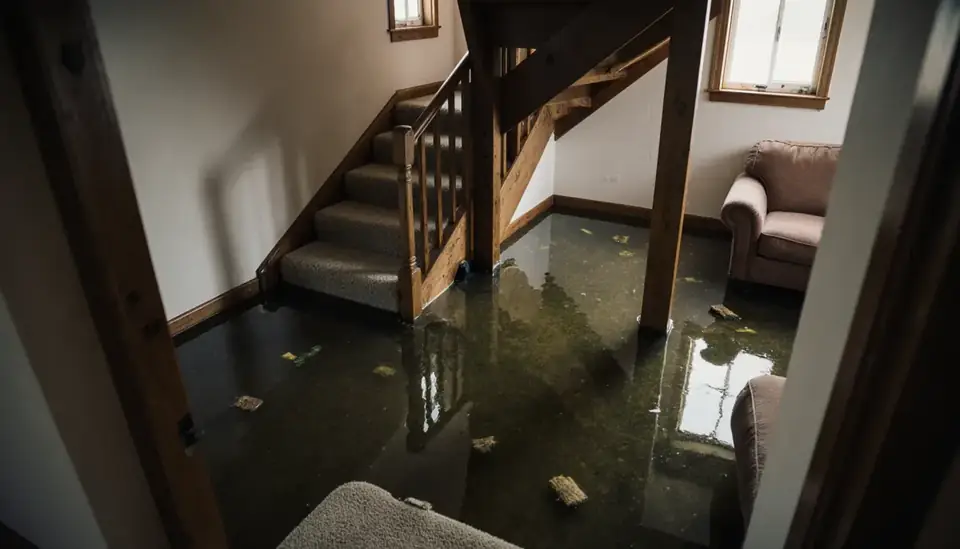
Few neighborhoods in Northern Virginia have a flood history as well documented as Huntington's. This small census-designated place sits just across Cameron Run from the city of Alexandria, and the low northern blocks next to the stream have been flooded more than once. In June 2006 a torrential rainstorm pushed Cameron Run over its banks and left those streets badly damaged, and the stream had flooded the same area in 2000. Fairfax County has since built a levee and pump station to protect the community.
The Restoration Job does not do the work itself; it is a free line that refers callers. Call (888) 317-9980 and we'll connect you with an independent restoration provider that serves Huntington, whether you are dealing with stream water in a duplex basement, a leak running down through a Route 1 condo tower, or a sewer backup after a heavy storm.
How the call works: when you call (888) 317-9980, The Restoration Job connects you with an independent restoration provider that serves Huntington. That provider inspects the damage, explains the scope and quotes the work. The Restoration Job doesn't perform restoration itself. Read our referral disclosure.
Cameron Run, the Levee and What It Does Not Promise
Cameron Run is a short stream, about three miles long, formed where Holmes Run and Backlick Run meet. It drains a watershed of roughly 44 square miles, most of it in Fairfax County, so a lot of pavement upstream funnels into the channel that runs past Huntington. Its lower mile is tidal before it joins Hunting Creek and the Potomac. After the 2000 and 2006 floods, county voters approved a $30 million bond in 2012 for a levee and pump station, and primary construction started in 2017.
The county is direct about the limits. Its levee safety guidance says the structure reduces flood risk but does not eliminate it, that a levee can be overtopped by a storm larger than it was designed for, and that a failure can be more destructive than if no levee had been built. Fairfax County monitors the levee and keeps a flood response plan for Huntington that includes possible evacuation in extreme storms. The pump station handles rain that falls inside the protected area, which means a heavy local downpour can still leave water in low yards and window wells.
Late-1940s Duplexes and Route 1 Towers Flood Differently
Huntington's housing comes in two very different forms. The namesake subdivision dates to the late 1940s and is mostly duplex homes, and several high-rise apartment and condominium complexes stand on and near U.S. Route 1. Each one fails in its own way.
- Duplexes: two households share a party wall and often a similar grade. Water that enters one basement can wick into framing and drywall on the other side, so moisture readings on both units matter.
- Older materials: homes from that era may have original plaster, wood subfloors and aging drain lines. Saturated plaster holds water longer than modern drywall and is slower to dry.
- High-rises: a failed supply line or appliance on an upper floor can travel down through several units. Sorting out which owner, which insurer and which association policy covers what usually starts with documenting where the water came from.
For both building types, a provider offering water damage restoration should map the wet area with meters before any wall is opened.
First Steps After Water Gets Inside a Huntington Home
If water came from Cameron Run or rose up from outside, treat it as contaminated floodwater, not clean water. Keep children and pets out, shut off power to the affected level if it is safe to reach the panel, and photograph everything before moving it. Most homeowners and renters policies do not cover flooding, so a separate flood policy is what usually responds to stream water. Fairfax County's Community Rating System standing gives residents countywide a flood insurance premium reduction, which is worth knowing when you look over coverage afterward.
Professional flood cleanup after a stream overflow typically means pumping out standing water, removing soaked carpet and pad, cutting out wet drywall to a set height, cleaning and disinfecting, then running dehumidifiers and air movers until readings return to normal. In a duplex, that drying plan should include the shared wall.
Sewage Backups: Call the County Before a Plumber
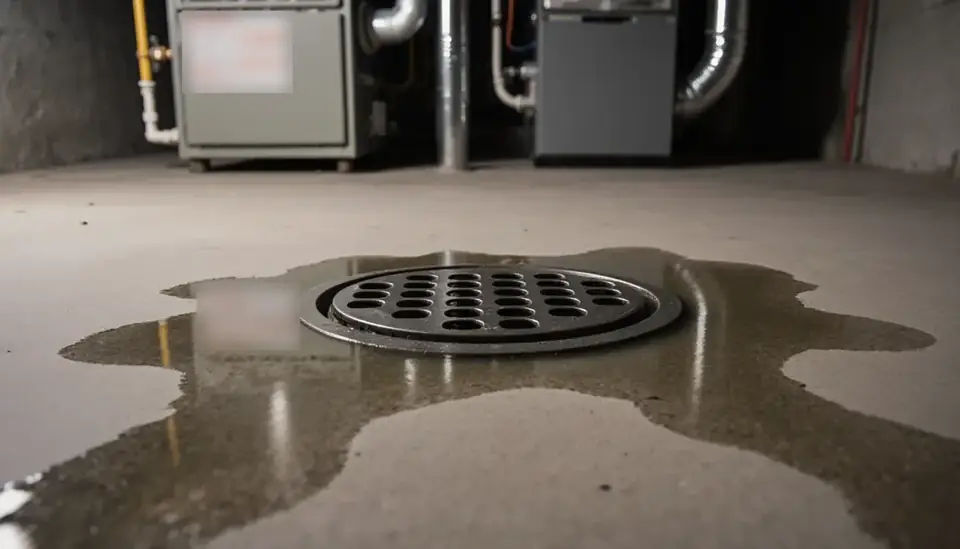
Heavy rain can also push sewage up through floor drains. Fairfax County's wastewater division asks residents to call its 24-hour line at 703-323-1211 before calling a plumber if they suspect a problem in the county main, especially when sewage backs up while no one is using water. The private lateral between the house and the main is the owner's responsibility under county code. Close drain openings with stoppers or plugs and stop running water until the blockage is cleared. Sewage-contaminated drywall, carpet and insulation are generally removed rather than dried in place.
Mold Pressure in a Low, Humid Pocket Near the Potomac
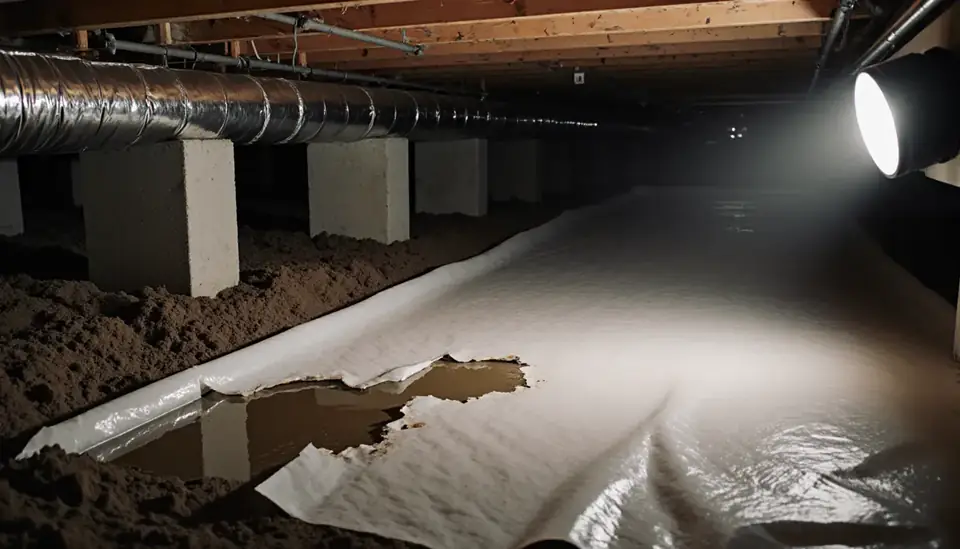
Huntington sits close to the tidal Potomac, and Washington-area summers bring high humidity and frequent thunderstorms. That combination keeps basements and ground-floor units damp, and wet materials left more than a day or two can start growing mold. The fix is speed and thoroughness: remove what cannot be dried, dry the structure to verified levels and keep humidity down afterward. If growth has already appeared behind baseboards or on the underside of carpet, mold remediation with containment keeps spores from spreading to clean rooms.
Neighborhoods and Nearby Communities
Calls come in from across Huntington, including:
- Huntington subdivision
The same line also serves nearby communities such as:
- Alexandria
- Belle Haven
- Rose Hill
- Hybla Valley
- Franconia
Frequently Asked Questions
Does the Huntington levee mean I no longer need flood insurance?
Fairfax County's own guidance says levees reduce flood risk but do not remove it, and that a storm larger than the design can overtop one. Standard homeowners and renters policies generally exclude flooding, so stream water from Cameron Run would usually fall under a separate flood policy. Residents across the county receive a flood insurance premium reduction through the county's Community Rating System standing.
Water came through the wall from my neighbor's half of the duplex. What should happen next?
Both units need to be checked with moisture meters, because water in a shared wall cavity can spread along studs and the sill plate. Document the source, notify both insurers and agree on access so the drying equipment can run on each side. Drying only one unit often leaves the party wall wet and invites odor and mold later.
Who handles a leak that started several floors above my condo near Route 1?
Responsibility usually depends on where the leak began and what your association documents say about units versus common elements. Report it to building management right away, photograph the damage and the path of the water, and contact your own insurer. A restoration provider can record moisture readings in every affected unit, which helps sort out claims among owners.
Who do I call if sewage is coming up my basement floor drain?
Fairfax County asks residents to call its 24-hour wastewater line at 703-323-1211 before hiring a plumber when a problem in the county main is suspected. If the blockage is in your private lateral, that repair is the owner's responsibility. Either way, the cleanup of contaminated materials is a separate job that a sewage cleanup provider can handle.