
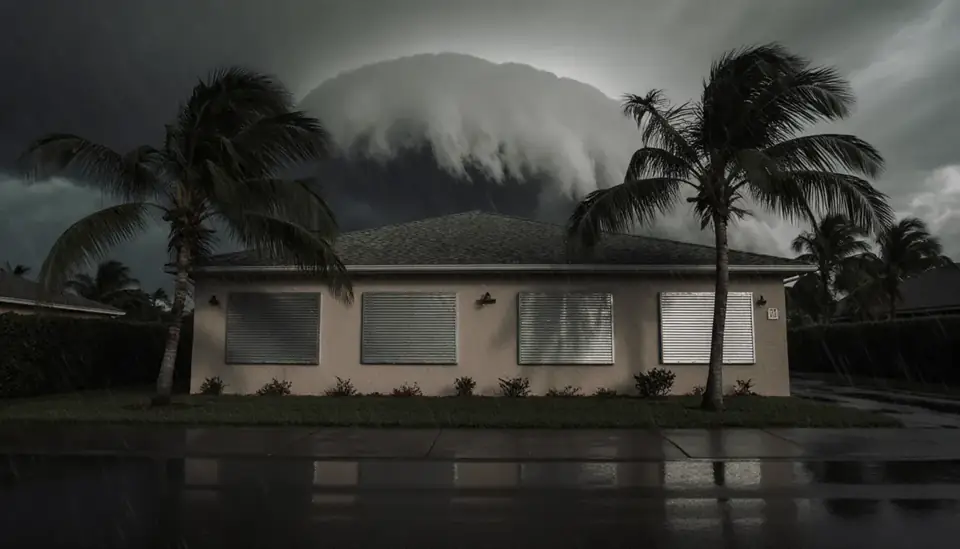
Poquoson is more water than land. The city covers about 78 square miles, but roughly 63 of them are open water and marsh, wrapped by the Poquoson River to the north, Back River and Wythe Creek to the south and the Chesapeake Bay to the east. Its average elevation is about 10 feet. Locals still call the place Bull Island, a name that goes back to the cattle that once roamed its salt marshes.
On ground this low, a strong storm tide can reach almost every street. Our free referral line for Bull Island and the rest of the Peninsula is staffed day and night. Call (888) 317-9980 and we will put you in touch with an independent restoration provider that works in Poquoson. The company that does the work is a third-party business, not part of The Restoration Job.
How the call works: when you call (888) 317-9980, The Restoration Job connects you with an independent restoration provider that serves Poquoson. That provider inspects the damage, explains the scope and quotes the work. The Restoration Job doesn't perform restoration itself. Read our referral disclosure.
Isabel, the 2009 Nor'easter and Irene: A Short History of Surge on Bull Island
Hurricane Isabel in September 2003 brought the worst flooding Hampton Roads had seen since the 1933 Chesapeake-Potomac hurricane, and most of Poquoson ended up under several feet of storm-surge water. The city was among the localities placed under evacuation orders ahead of the storm. Major flooding came again with the November 2009 Mid-Atlantic nor'easter and with Hurricane Irene in 2011.
The lesson residents took from those years shows in the housing itself: many homes in Poquoson have since been raised onto elevated foundations. A raised house keeps living space above most tides, but it shifts the risk downward to the crawl space or enclosed area underneath, along with the ductwork, insulation, water heater and wiring that are often installed there.
Saltwater, Marsh Mud and What They Do to a House
Bay and river water that pushes into a home is not clean. It carries salt, marsh sediment, fuel from boats and vehicles, and whatever it picked up crossing yards and roads. Restoration providers treat it as contaminated water, which changes how a job is handled:
- Porous materials that were submerged, such as carpet, pad, insulation and the lower portion of drywall, are usually removed rather than dried.
- Salt residue left on framing and subfloor keeps attracting moisture, so surfaces need thorough cleaning before drying begins.
- Ductwork and HVAC components that sat in floodwater generally need inspection or replacement.
- Electrical outlets, panels and appliances that were wet should be checked by an electrician before power is restored.
A good flood cleanup crew will photograph conditions before tear-out and keep moisture logs, which helps with a flood insurance claim.

Before You Rebuild: Flood Maps and Insurance on a Peninsula City
Because so much of the city sits in or near mapped flood hazard areas, it pays to know your zone before deciding how to rebuild. The Virginia Flood Risk Information System, run by the state Department of Conservation and Recreation, lets you look up a property and see whether it falls in a Special Flood Hazard Area. FEMA's Flood Map Service Center carries the official maps used by the National Flood Insurance Program.
Standard homeowners policies typically exclude rising water, so storm surge and tidal flooding are generally a flood-policy matter. Wind-driven rain through a damaged roof, by contrast, usually falls under homeowners coverage. Many Poquoson storm losses involve both, and separating them clearly in your photos and notes saves time later.
Drying Out in a Humid Bay Climate
Poquoson averages about 47 inches of rain a year, and its summers are hot and humid. With marsh on three sides, the air under a raised house or inside a closed-up home stays damp for days after a storm. That is the window when mold growth on wet framing, subfloor and drywall paper gets started.
Thorough structural drying, with dehumidifiers running and moisture readings taken on framing rather than just surfaces, is the main defense. If a musty odor or spotting appears weeks after a flood, a mold assessment can find the remaining wet material so it can be removed or treated.
Leaks That Have Nothing to Do With the Bay
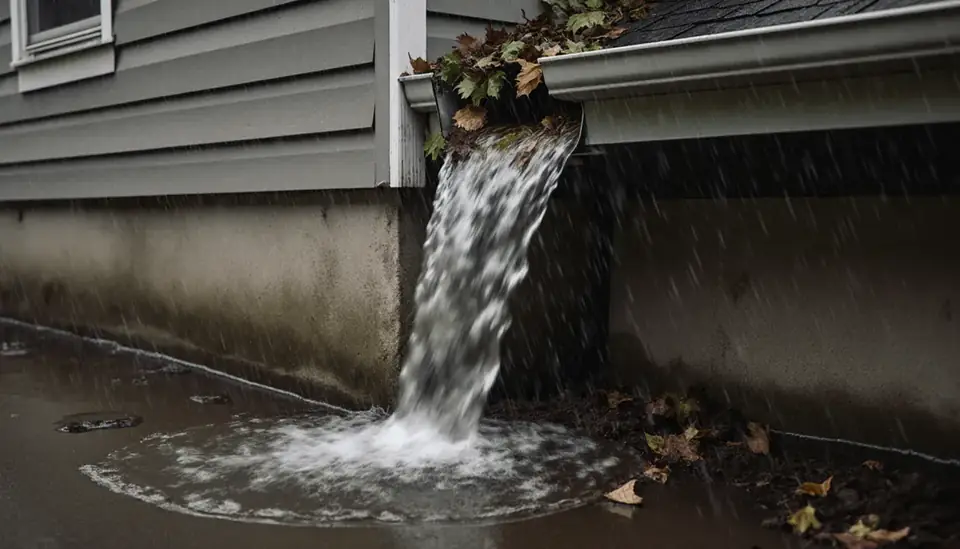
Not every call from Bull Island involves a storm. Water heaters set in elevated under-house enclosures, washing machine hoses, frozen pipes in a rare hard freeze and clogged air-conditioner condensate lines all cause damage too. These clean-water losses are usually simpler to dry if they are caught early, and they are more likely to be covered by a homeowners policy. Shut off the water at the main, move belongings out of the wet area and call for help before the water wicks into walls and cabinets.
Areas In and Around Poquoson
The same line also serves nearby communities such as:
- Hampton
- Newport News
- Tabb
- Seaford
- Yorktown
Frequently Asked Questions
My Poquoson house is elevated. Can it still have flood damage?
Yes. Elevation keeps most living space above typical surge levels, but water can still fill the crawl space or enclosure beneath, soaking insulation, ductwork and any equipment stored there. Moisture from a flooded underside can also rise into the floor system. After any significant tide, look under the house and dry or remove anything that got wet.
Where can I check the flood zone for a Poquoson address?
Use the Virginia Flood Risk Information System from the state Department of Conservation and Recreation, or search your address on FEMA's Flood Map Service Center. Both show whether the property sits in a Special Flood Hazard Area. Knowing the zone helps with flood insurance decisions and with planning repairs after a loss.
Is water from the Back River or the bay treated differently than a burst pipe?
Yes. Tidal and storm-surge water is considered contaminated because it carries salt, sediment and pollutants. Porous materials it touches are usually removed instead of dried, and surfaces need cleaning before drying. A burst supply line is clean water at first, and many materials can be dried in place if work starts quickly.
Who pays for surge damage versus roof damage after a hurricane?
Typically, rising water such as storm surge is covered only by a flood policy, while wind and wind-driven rain entering through a damaged roof are usually handled under a homeowners policy. Many storm losses in Poquoson involve both, so document each separately with photos and notes and talk with your agent early.