
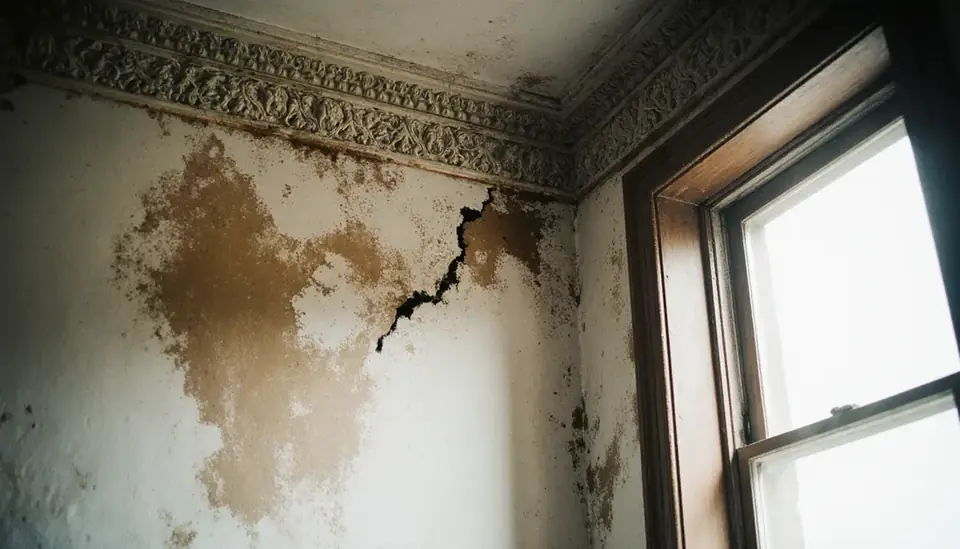
Williamsburg sits on higher ground than most of Hampton Roads. At about 49 feet above sea level, on the spine of the Peninsula between the James and York rivers, the city is not exposed to the bay the way Poquoson or the Newport News waterfront is. Its water problems tend to come from above and from inside: hurricane rain, wind-damaged roofs, failed plumbing and slow leaks in buildings that are far older than the pipes running through them.
Getting help costs nothing on our end: this is a free referral line. Call (888) 317-9980 at any hour and we will link you with a third-party company that serves Williamsburg and the surrounding parts of James City and York counties. We are a referral line only; we do not perform the work.
How the call works: when you call (888) 317-9980, The Restoration Job connects you with an independent restoration provider that serves Williamsburg. That provider inspects the damage, explains the scope and quotes the work. The Restoration Job doesn't perform restoration itself. Read our referral disclosure.
Queen's Creek, College Creek and the Ravines Between Them
Queen's Creek and College Creek partly encircle the city, and the land drops off toward them through wooded ravines. On campus, Lake Matoaka, built around 1700 to power a gristmill, empties into College Creek. Most homes are well above tidal water, but runoff during a slow-moving tropical system or a summer downpour concentrates in those low drainage paths, and houses at the bottom of a slope or with a below-grade room can take water in through foundations, window wells and garage doors.
The heaviest rain events in the area have come from tropical systems. During Hurricane Isabel in September 2003, rainfall reached 10.6 inches at James City, just outside the city line. The same storm seriously damaged Carter's Grove Country Road, the route that once linked the Carter's Grove estate to the Historic Area. For many households the result of a storm like that is less about rising water and more about fallen limbs, punctured roofs and rain pouring into attics and upper floors, the kind of loss that calls for storm damage cleanup and tarping before interior drying can start.
Drying Old Buildings Without Destroying Them
Colonial Williamsburg's Historic Area covers 301 acres, and of the roughly 500 buildings reconstructed or restored there, 88 are original. Beyond the Historic Area, the city has a wide range of older homes, Colonial Revival commercial blocks around Merchants Square dating from the 1930s, and the buildings of the College of William & Mary, founded in 1693. Water in an older structure raises questions that a modern tract house does not.
- Plaster walls and ceilings can often be dried in place, but sagging or delaminating plaster is a safety hazard and needs to be assessed first.
- Old-growth wood floors can cup as they absorb water; controlled drying with mats or careful dehumidification can sometimes save them.
- Decorative trim, doors and mantels should be removed and labeled, not thrown out, if they have to come off.
- Older plumbing and the patches added over decades are common leak sources, so the cause should be found and fixed before drying.
Ask any provider how they approach historic materials before demolition starts, and ask the city what applies before altering a building's exterior.

Student Rentals, Shared Walls and Who Calls Whom
With a college at its center, Williamsburg is home to many students and other renters living in apartments and buildings with shared walls and ceilings. A leak from an upstairs unit, an overflowing washing machine or a burst supply line rarely stays in one apartment. Tenants should notify the landlord or property manager right away and photograph the damage to their own belongings; the owner usually arranges water damage repair to the building itself. Renters insurance, where a tenant has it, generally covers personal property rather than walls and floors.
Humid Summers, Closed Houses and Mold
The city has a humid subtropical climate, its summer months tend to be slightly wetter than the rest of the year, and that summer air holds a lot of moisture. A house that is closed up with wet carpet or drywall during a July power outage can show mold growth within days. Older homes with crawl spaces add another layer, since a damp space under the floor feeds moisture into joists and subfloor.
Fast extraction, steady dehumidification and moisture readings taken inside walls and floors keep that risk down. If you notice a persistent musty smell or discoloration along baseboards after a leak, a mold remediation assessment can find the wet material that was missed.
A Practical First Hour
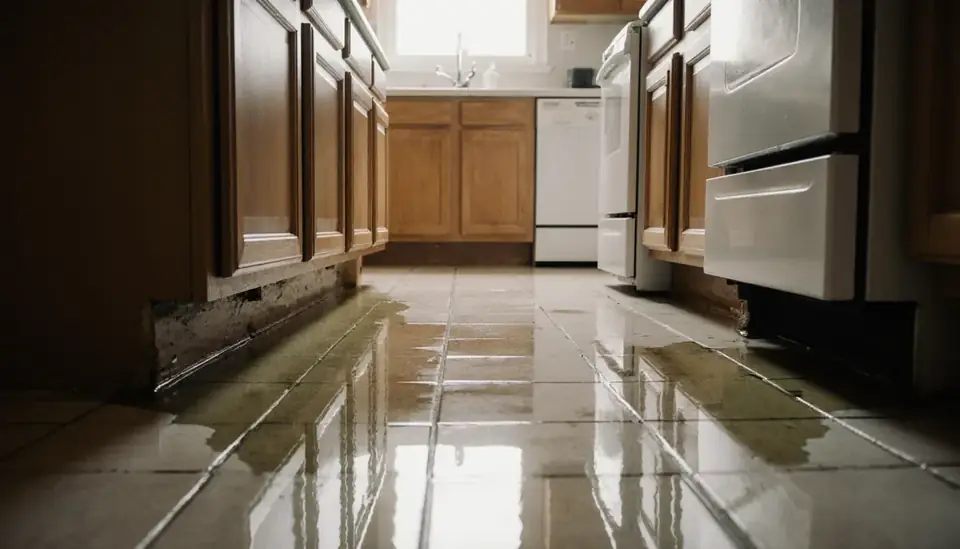
Shut off the main water valve if the source is plumbing. Turn off power to affected rooms if water is near outlets or cords. Move rugs, furniture and papers to dry ground, and prop wood furniture legs on foil or blocks. Take photos and video of everything before cleanup, call your insurance company, and then call for a restoration provider to extract water and begin drying.
Where Callers in the Williamsburg Area Are
Calls come in from across Williamsburg, including:
- Colonial Williamsburg Historic Area
- Merchants Square
- College of William & Mary campus
The same line also serves nearby communities such as:
- Queens Lake
- Yorktown
- Newport News
- Poquoson
- Gloucester Point
Williamsburg Water Damage Questions
Williamsburg is not on the water. Do I need to think about flooding?
The city sits around 49 feet above sea level, so tidal flooding is not the main concern for most homes. Heavy rain is. Runoff collects along Queen's Creek, College Creek and the ravines that feed them, and basements, crawl spaces and homes at the bottom of slopes can still take water. Checking your address on FEMA's flood maps is a sensible first step.
Can plaster walls in an older Williamsburg home be saved after a leak?
Often they can, especially after a clean-water leak caught early. Plaster tolerates moisture better than drywall, and careful drying with monitoring may avoid removal. Plaster that is sagging, cracked through or separating from the lath is a hazard and usually has to be repaired. Ask the provider to explain moisture readings before cutting anything out.
I rent near campus and water came through my ceiling. What should I do?
Tell your landlord or property manager immediately, move your belongings away from the leak and take photos. The owner normally arranges repairs to the building, while your renters insurance, if you have it, generally covers your personal property. If the source is another unit, building management needs to shut it off there.