
Gloucester Point occupies the north bank of the York River, directly across the Coleman Bridge from Yorktown. Of its roughly 16 square miles, about 7 are water: the tidal York itself, Sarah Creek and part of Timberneck Creek. The point was known in the 1600s as Tyndall's Point, and today it is home to the College of William & Mary's Virginia Institute of Marine Science and about 10,600 residents.
Living this close to tidal water means storms, nor'easters and even routine high tides can reach homes and docks. Call The Restoration Job at (888) 317-9980 any time and we will connect you, free of charge, with an independent restoration provider that serves Gloucester Point and the rest of Gloucester County. That company is a separate business; we only make the connection.
How the call works: when you call (888) 317-9980, The Restoration Job connects you with an independent restoration provider that serves Gloucester Point. That provider inspects the damage, explains the scope and quotes the work. The Restoration Job doesn't perform restoration itself. Read our referral disclosure.
York River Surge and the Lessons of Isabel
Gloucester County lists Gloucester Point among its flood-prone areas, alongside Guinea, Jenkins Neck and Robins Neck. The county notes that Hurricane Isabel in September 2003 created a tidal surge of 6.4 feet at Gloucester Point, and sustained winds there peaked at about 70 mph during the same storm. Surge on the York does not stop at the shoreline; it runs up Sarah Creek and Timberneck Creek and into the low ground around them.
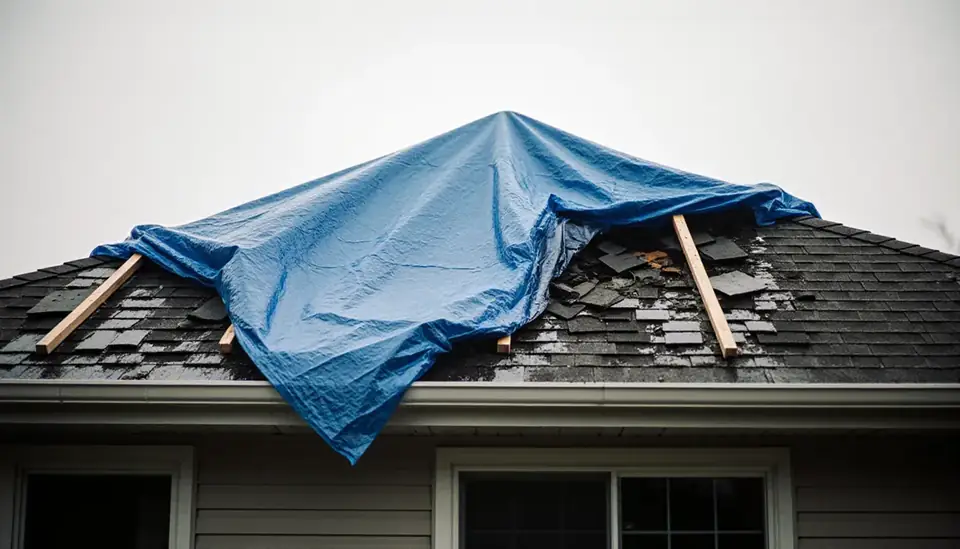
Wind and water often arrive together. A storm that pushes the river into a garage or crawl space can also peel shingles, drop trees on roofs and drive rain through siding. Effective storm damage cleanup here typically starts with tarping and board-up, then moves to extraction and removal of soaked materials.
Reading Gloucester County's Flood Zones
Gloucester County's flood management page explains the zones that appear on local flood maps:
- VE: coastal areas subject to wave action greater than 3 feet.
- Coastal A: a transition zone between VE and AE areas.
- AE, A and AO: areas subject to rising water, with AO marking shallow flooding of 1 to 3 feet.
- X: 500-year and minimal flood hazard areas.
The county requires dwelling floors in flood zones to be elevated 3 feet above base flood elevation for new construction and substantial improvements. That matters after a serious loss, because a large rebuild on a low house can trigger elevation requirements. Talk with county staff before committing to major repairs.

Flood Insurance and the County's 25% Discount
Standard homeowners insurance generally does not cover rising water from a river or storm tide. Through the Community Rating System, Gloucester County holds a Class 5 rating, which gives a 25% discount on National Flood Insurance Program policies. The county also points out that lower-cost policies are available for homes outside the 1% annual-chance floodplain. If you are rebuilding after a flood without coverage, this is a good time to price a policy.
Extraction, Drying and What a Crew Will Look For
After the water drops, the priority is getting the structure dry before mold and rot set in. A typical flood cleanup on the York River shoreline involves pumping out standing water, cutting out wet drywall and insulation above the waterline, and removing carpet and pad. Brackish water leaves salt behind, so framing and subfloor are cleaned before air movers and dehumidifiers run. Ductwork, water heaters and HVAC equipment in crawl spaces or garages should be inspected if they were submerged, and an electrician should clear wet circuits before power returns.
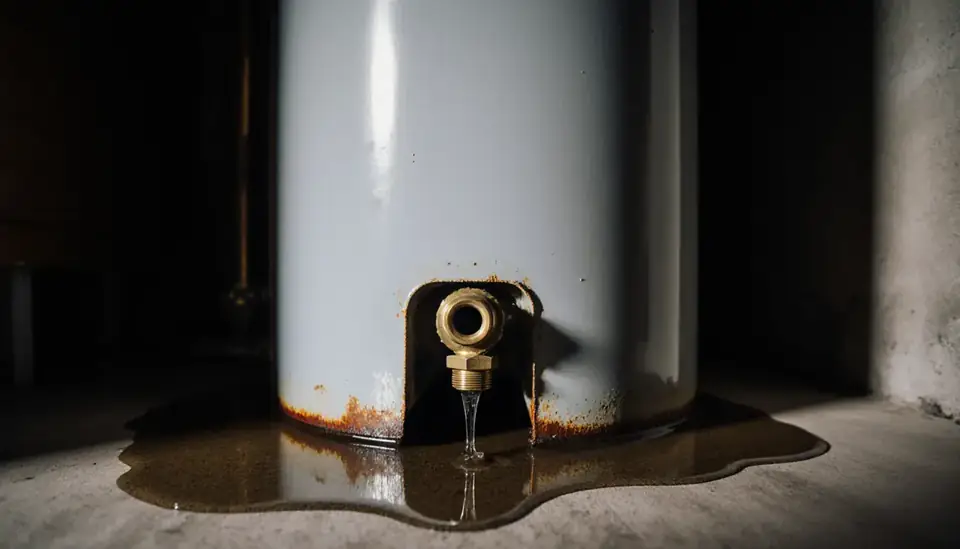
Not every call is a storm. Burst supply lines, failed water heaters and leaking dishwashers cause clean-water damage that can often be dried in place when caught quickly.
Marsh Air and Mold on the Middle Peninsula
Tidal marshes and long, humid summers keep moisture levels high around the county. Wet materials left in a closed house can begin growing mold within a few days. Moisture meters, not touch, should decide when walls and floors are dry. If a musty smell persists after cleanup, mold remediation can locate hidden moisture behind cabinets, under flooring or in crawl-space framing.
Gloucester Point Neighborhoods and Surrounding Towns
The same line also serves nearby communities such as:
- Yorktown
- Hayes
- Gloucester Courthouse
- Ordinary
- Williamsburg
- Poquoson
Frequently Asked Questions
Does Gloucester Point flood during hurricanes?
It can. Gloucester County lists Gloucester Point among its flood-prone areas, and the county reports that Hurricane Isabel in 2003 produced a 6.4-foot tidal surge there. Surge travels up Sarah Creek and Timberneck Creek, so low properties along those creeks can be affected along with the riverfront. Check your address on FEMA's flood maps to see your zone.
My house took on water and needs major repairs. Will I have to elevate it?
Possibly. Gloucester County requires dwelling floors in flood zones to be at least 3 feet above base flood elevation when a home is newly built or substantially improved. A large repair after flood damage can count as a substantial improvement. Contact the county before signing a rebuild contract so the scope of work fits the rules.
Is flood insurance cheaper in Gloucester County?
The county participates in the Community Rating System with a Class 5 rating, which gives National Flood Insurance Program policyholders a 25% discount. The county also notes that low-cost policies are available for homes outside the 1% floodplain. Standard homeowners policies generally exclude rising water, so a separate flood policy is the usual way to cover it.