
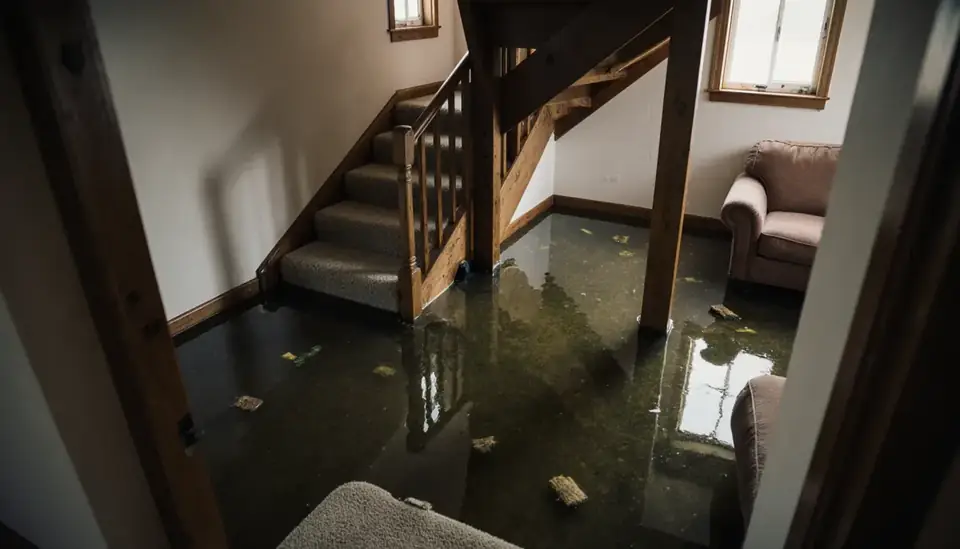
By land area Suffolk is the largest city in Virginia, roughly 400 square miles stretching from the James River shoreline to the edge of North Carolina. It is a city in name and in parts a rural county in practice: the 1974 consolidation with Nansemond County folded farm villages like Whaleyville, Holland and Chuckatuck into the same boundaries as downtown. Water problems here range from tidal flooding along the Nansemond River to storm runoff across flat fields and the wet margins of the Great Dismal Swamp.
Calls to The Restoration Job cost nothing, and the line does not send its own crews. Phone (888) 317-9980 and we'll connect you with an independent restoration provider that covers Suffolk, including outlying boroughs where travel distances are longer.
How the call works: when you call (888) 317-9980, The Restoration Job connects you with an independent restoration provider that serves Suffolk. That provider inspects the damage, explains the scope and quotes the work. The Restoration Job doesn't perform restoration itself. Read our referral disclosure.
The Nansemond River, the James and Hampton Roads Tides
The Nansemond River begins in downtown Suffolk and runs roughly 20 miles north to the James River near Hampton Roads, with Bennett's Creek joining along the way. It is tidal for much of that length, so the same nor'easters and tropical storms that raise water in Norfolk and Portsmouth push water up the Nansemond as well. Waterfront homes in the northern boroughs, along both the Nansemond and James shorelines, carry the highest tidal risk.
The river's fringing wetlands help absorb surge and flooding, but they do not stop it. During Hurricane Isabel in 2003, evacuation was recommended for some Suffolk residents ahead of the storm.
Rain, Lakes and the Swamp Edge in Southern Suffolk
The city averages close to 52 inches of precipitation a year, slightly more than many neighboring cities. In the south and west, risk comes less from tides and more from rainfall on flat, low ground. Lakes Meade, Cohoon and Kilby, once headwater streams of the Nansemond, are now dammed reservoirs, and part of the Great Dismal Swamp, including the Lake Drummond area, lies inside city limits. Saturated soils near the swamp can keep crawl spaces damp and slow the drainage of yards for days after a storm.
The City of Suffolk participates in the Hampton Roads Hazard Mitigation Plan maintained by the Hampton Roads Planning District Commission, which addresses flooding and tropical storms; the 2022 plan is being updated for 2027.

Storm Damage on Rural and Suburban Properties
Wind and rain often arrive together. A downed limb that punctures a roof, a failed window seal in a sideways rain or a detached outbuilding can all let water into a home well away from any river. Practical points for Suffolk properties:
- Tarp roof openings as soon as it is safe, and photograph the damage first.
- If your home uses a private well and floodwater covered the wellhead, have the water tested before drinking it.
- If you have a septic system and the drain field flooded, limit water use until the ground drains, since the system cannot work properly when saturated.
- Longer distances between homes and providers in the outlying boroughs make it worth calling early rather than waiting to see if things dry on their own.
A provider handling storm damage cleanup can usually coordinate roof tarping, water removal and drying together.
Crawl Spaces, Drying and Mold in the Nansemond Country
Restoration after a storm generally follows the same sequence: remove standing water, pull out materials that cannot be saved, then dry the structure with air movers and dehumidifiers while tracking moisture readings each day. Crawl-space homes need particular attention, because water under the floor is easy to ignore. Ask about structural drying for joists and subfloors that stayed wet.
Hot, humid Tidewater summers give mold a head start on anything left damp. Watch for musty odors, staining on baseboards and growth on the underside of flooring. Larger growth, especially inside walls or ducts, should be handled with mold remediation that includes containment.

Insurance and Flood Zone Questions
Standard homeowners policies typically cover sudden events such as a burst pipe or wind-driven roof damage, but not rising water from a river, creek or ponding rainfall. That requires a separate flood policy, usually with a waiting period. A property lookup on FEMA's flood maps shows which zone you are in. Neighboring Chesapeake shares the Great Dismal Swamp and many of the same drainage patterns.
Areas In and Around Suffolk
Calls come in from across Suffolk, including:
- Downtown
- Chuckatuck
- Cypress
- Holy Neck
- Nansemond
- Sleepy Hole
- Whaleyville
- Holland
- Driver
The same line also serves nearby communities such as:
Suffolk Water Damage Questions
My Suffolk home is miles from the river. Can it still flood?
Yes. In the southern and western parts of the city the main risk is heavy rain on flat ground, slow-draining ditches and saturated soil near the Great Dismal Swamp. Water can pond against foundations and enter crawl spaces even without any tidal influence. Flood insurance can be bought outside high-risk zones too.
Will a provider travel out to Whaleyville or Holland?
Many providers that serve the Hampton Roads area cover all of Suffolk, but travel time to outlying boroughs can be longer, especially after a regional storm. Call (888) 317-9980 as soon as you find water and we'll connect you with an independent provider serving your location. Meanwhile, stop the source and move belongings off wet floors.
Floodwater reached my well. What should I do?
Don't drink the water or use it for cooking until it has been tested. Floodwater can carry bacteria and farm runoff into a well. Your local health department can advise on testing and disinfecting a private well after a flood. Bottled water is the safe choice in the meantime, and any plumbing fixtures fed by the well should be flushed after disinfection.