
Smithfield began in 1752 as a seaport on the Pagan River, a tidal tributary on the south side of the James. The river that once carried the town's trade still shapes its risk. Most of the town sits around 30 feet above sea level, but the Pagan and its creeks reach into Smithfield from the water side, and Isle of Wight County around it is generally low-lying, with many swamps and pocosins.
Using our referral line is free. Call (888) 317-9980, day or night, and we will pass you to an independent restoration provider that serves Smithfield and nearby parts of Isle of Wight County. The provider is a separate company; The Restoration Job does not send crews or do repairs.
How the call works: when you call (888) 317-9980, The Restoration Job connects you with an independent restoration provider that serves Smithfield. That provider inspects the damage, explains the scope and quotes the work. The Restoration Job doesn't perform restoration itself. Read our referral disclosure.
The Pagan River and the 2003 Surge
Tidal rivers funnel storm water inland. During Hurricane Isabel in September 2003, the storm surge at Smithfield was estimated at 10.75 feet, and Isle of Wight County was among the localities where evacuation was recommended. A surge of that size pushes the Pagan out of its banks and into low ground along the waterfront, creeks and marsh edges, well away from the open James.
Surge water is brackish and dirty. It carries marsh mud, fuel and debris, so materials it soaks are usually removed rather than dried. Homes and businesses near the river that take water from a storm tide need flood cleanup that includes cleaning salt and silt off framing and checking any ductwork, water heaters or wiring that sat in the water.
Historic Main Street Buildings and Older Homes
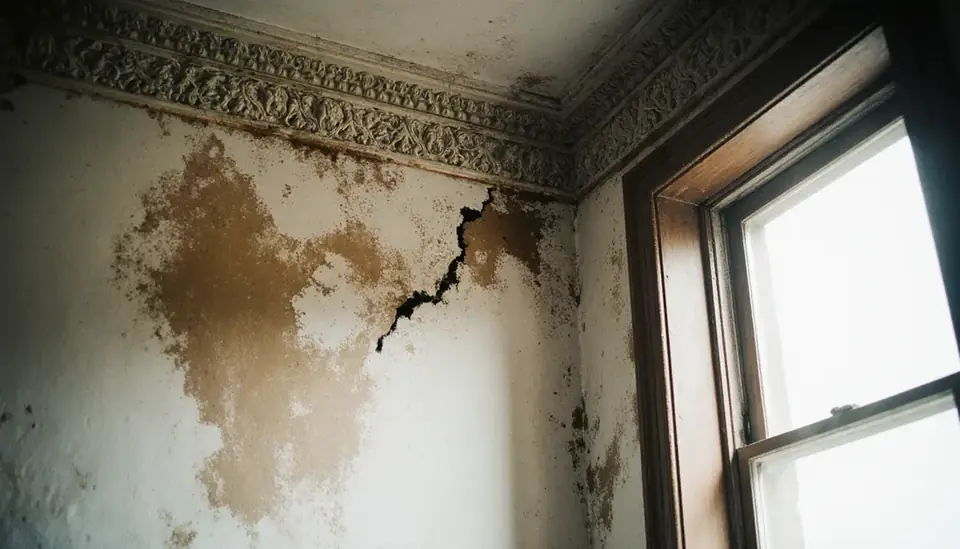
The Smithfield Historic District holds more than 70 contributing properties from the Colonial, Federal and Victorian periods, including the Old Courthouse of 1750 and the Wentworth-Grinnan House. Nearby, St. Luke's Church is a National Historic Landmark. Older buildings like these combine heavy timber, plaster, brick foundations and plumbing added long after construction, and every one of those materials reacts to water differently.
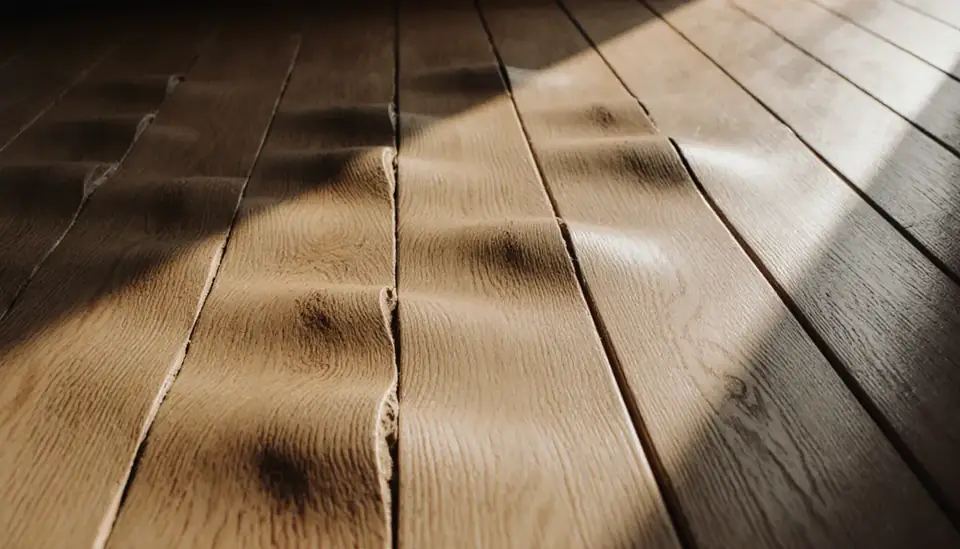
A careful provider will find the source first, then dry plaster and old wood slowly enough to avoid cracking and cupping. Original trim, doors and flooring that have to come out should be labeled and stored, not discarded. For owners of older houses, it is worth asking how a company handles lath-and-plaster walls before agreeing to water damage repair that involves demolition.
Low Ground, Swamps and Damp Crawl Spaces
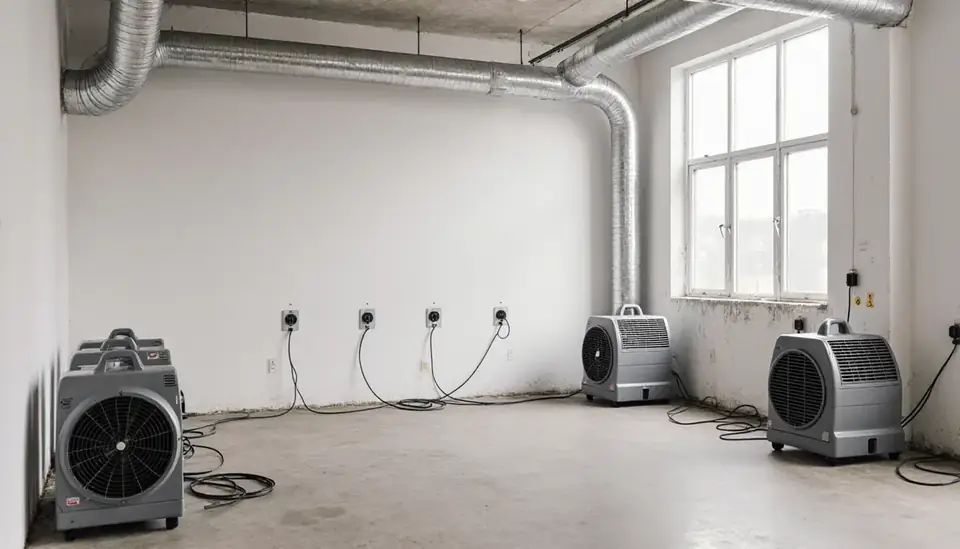
Away from the river, the county's flat terrain and swampy ground give water few places to go. Houses built over crawl spaces collect moisture after heavy rain, plumbing leaks or a failed sump. Left alone, a wet crawl space soaks insulation, raises humidity throughout the house and lets mold take hold on floor joists.
- Pump out standing water and remove soaked insulation.
- Run dehumidifiers and air movers until wood moisture readings are back to normal.
- Fix grading, gutters or vapor barriers that let water in.
- Have ductwork checked if it sat in water or was wrapped in wet insulation.
Mold Pressure in a Tidewater Summer
Southeastern Virginia's hot, humid summers make drying slower and mold growth faster. Wet drywall, carpet pad or subfloor can start showing growth within a few days, especially in a closed house without power after a storm. Structural drying that measures moisture inside walls and floors, not just on the surface, is the surest way to prevent a second round of damage. A lingering musty smell after a leak usually means something is still wet.
Checking Flood Zones and Coverage Before Rebuilding
The Virginia Department of Conservation and Recreation's Flood Risk Information System shows whether an address is in a Special Flood Hazard Area, and FEMA's Flood Map Service Center carries the official maps. Those maps matter for insurance: standard homeowners policies typically exclude rising water from a river or storm tide, which is covered only by a separate flood policy. A pipe that bursts inside the house, by contrast, is usually a homeowners claim. Photograph everything before tear-out and keep receipts for emergency work.
Neighborhoods and Nearby Communities
Calls come in from across Smithfield, including:
- Smithfield Historic District
The same line also serves nearby communities such as:
- Carrollton
- Benns Church
- Rescue
- Suffolk
- Newport News
- Franklin
Questions From Smithfield Property Owners
Is my Smithfield home at risk if it is not on the riverfront?
Possibly. Storm surge pushes up the Pagan River and its creeks into low areas some distance from open water, and heavy rain on the county's flat, low-lying land can collect in yards and crawl spaces. Look up your address on the state's Flood Risk Information System or FEMA's maps, and keep an eye on crawl-space moisture after big storms.
How is surge water from the Pagan River handled differently from a burst pipe?
River and storm-tide water is treated as contaminated because it carries brackish water, mud and pollutants. Soaked porous materials such as carpet, pad, insulation and the lower drywall are usually removed, and surfaces are cleaned before drying. A broken supply line starts as clean water, and much of what it wets can be dried where it sits when extraction begins early.
Can older plaster and wood floors in the historic district be saved?
In many cases yes, provided the leak was clean water and drying began promptly. Plaster and old wood can usually be dried in place with patient, monitored drying. Contaminated floodwater, plaster that is sagging, or flooring that has buckled badly may change that. A provider should explain moisture readings before recommending removal.