

Three bodies of water draw the edges of Mount Vernon. The Potomac River forms its southern boundary, Little Hunting Creek marks the eastern side and Dogue Creek flows through the western part of the community, near Fort Belvoir. Nearly one-seventh of the census-designated place's six square miles is water. That shoreline setting, along with an older housing stock, shapes the kinds of water damage residents deal with, from wind-driven rain and fallen trees to soaked basements and tidal flooding near the creek mouths.
The Restoration Job is a free phone referral line and has no crews of its own. Call (888) 317-9980 day or night and we'll connect you with an independent restoration provider that serves Mount Vernon, so you can get water out and drying started.
How the call works: when you call (888) 317-9980, The Restoration Job connects you with an independent restoration provider that serves Mount Vernon. That provider inspects the damage, explains the scope and quotes the work. The Restoration Job doesn't perform restoration itself. Read our referral disclosure.
Potomac Shoreline and Tidal Creek Flooding
Little Hunting Creek is primarily tidal for most of its 3.6-mile length, which means its water level rises and falls with the Potomac. Fairfax County describes coastal flooding along these tidal tributaries as something that can happen during extreme high tides, sometimes called king tides, even in clear weather, and during storm surge from tropical systems and nor'easters. The county also notes that sea level rise increases that risk over time.
The clearest nearby example is Hurricane Isabel in 2003, which flooded 160 homes and 60 condominiums in the Belle View and New Alexandria area upriver. Homes in Mount Vernon closest to the creek mouths and the river are the ones most exposed to similar surge. Checking a property on the county's flood hazard map and the FEMA Flood Map Service Center is the fastest way to see whether it sits in a mapped flood zone.
Wind, Trees and Roof Leaks Along the Parkway
Storms that bring down trees or strip shingles are a common start to a water damage call in a leafy suburb like this one. Tropical systems, derechos and nor'easters have all hit the Washington area; during Tropical Storm Isaias in 2020, Fairfax County police and VDOT reported a couple of dozen trees down across the county. A limb through a roof lets rain into attic insulation and ceilings for hours before anyone sees a stain.
Storm damage cleanup usually begins with tarping or boarding the opening, then removing wet insulation and checking ceiling drywall and framing below the hole. Photograph the roof and the tree before anything is moved, since insurers will want to see the cause.

Older Houses, Basements and Groundwater
Residential communities spread along both sides of Little Hunting Creek by the 1960s, and homes from that period with basements or finished lower levels are vulnerable in a wet season, when groundwater can push through foundation walls and slabs, and gutters that discharge next to the house make it worse. Fairfax County recommends extending downspouts at least five feet from the foundation, keeping basement walkout drains clear and covering window wells.
Inside, older finishes need care during drying. Paneling, plaster and hardwood floors react differently than modern drywall, and a provider handling water damage restoration should test moisture in each material rather than assume one drying time fits all.
First Hours After Water Gets In Near the Potomac
- Stop the source if you can: shut the main water valve for a pipe break, or tarp a roof opening if it is safe.
- Turn off power to wet areas at the panel only if you can reach it without standing in water.
- Treat creek or river water as contaminated. Avoid contact and keep children and pets away.
- Photograph damage, water lines on walls and damaged belongings before cleanup.
- Call your insurer. Flood damage is usually excluded from homeowners policies and handled by a separate flood policy.
- If sewage backs up a floor drain, Fairfax County asks residents to call its 24-hour line at 703-323-1211 before calling a plumber.
Damp River Air and Mold in Lower Levels
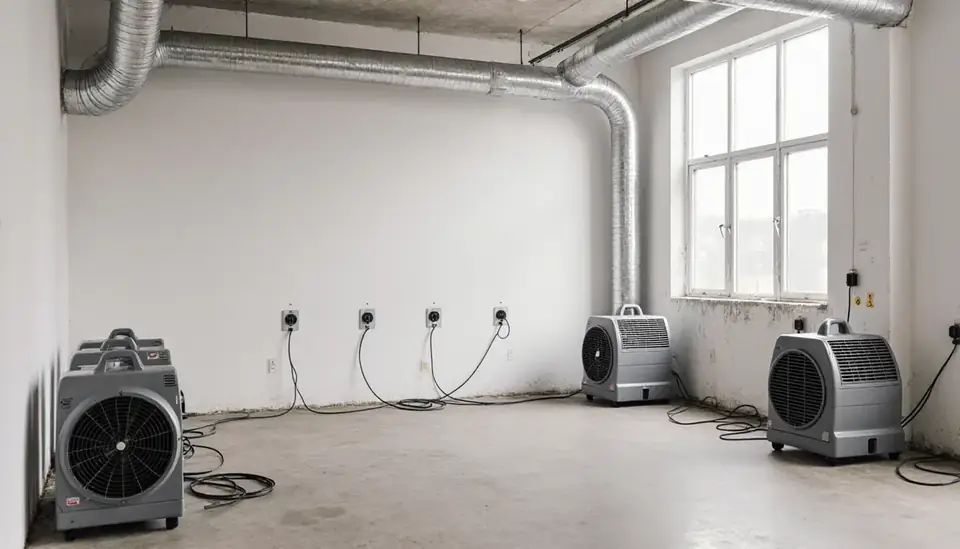
Washington-area summers are humid, with relative humidity averaging around 66 percent and frequent thunderstorms. Next to the Potomac, basements and crawl spaces in Mount Vernon stay damp even without a leak, so a single event can tip them into mold growth. After any water intrusion, the goal is to get materials dry within a day or two and keep indoor humidity down with dehumidification afterward. Musty odor, staining on the back of baseboards or growth on stored boxes are signs that mold cleanup should be part of the job.
Neighborhoods and Nearby Communities
Calls come in from across Mount Vernon, including:
- Gum Springs
The same line also serves nearby communities such as:
- Hybla Valley
- Woodlawn
- Fort Hunt
- Fort Belvoir
- Huntington
- Lorton
Mount Vernon Water Damage Questions
Can tidal flooding reach homes in Mount Vernon on a sunny day?
Fairfax County says coastal flooding along tidal Potomac tributaries can occur during extreme high tides even in clear weather, as well as during storm surge from tropical systems and nor'easters. Properties lowest along Little Hunting Creek and the river are most exposed. The county's flood hazard map shows whether a specific address falls in a mapped zone.
A storm dropped a tree onto my roof. Is the result water damage or storm damage?
Usually both. The tree and roof opening are storm damage, and rain getting into the attic, insulation and ceilings is water damage that follows. Get the opening covered as soon as it is safe, photograph everything before removal, and tell your insurer about both. Wet insulation generally has to be removed so the framing can dry.
Do I need flood insurance if I am not right on the water?
Flooding is generally excluded from homeowners and renters policies, so any damage from rising water, whether tidal or from runoff, would need a separate flood policy. Fairfax County participates in FEMA's Community Rating System, and that gives policyholders throughout the county a premium discount. Your agent can tell you whether your home is in a mapped flood zone.
Why does my basement smell musty after storms even when it looks dry?
Basements near the Potomac stay humid, and small amounts of seepage or a damp slab can keep carpet pad and drywall bottoms wet enough for mold without visible puddles. A moisture meter check will show hidden wetness. Fixing gutters and grading, running a dehumidifier and removing damp materials usually solves the odor.