
Warrenton, the Fauquier County seat, sits on high ground at about 643 feet, right on a drainage divide. Rain that falls on the eastern, southern and northern parts of town flows toward Cedar Run and eventually the Potomac, while the western side drains down Great Run to the Rappahannock. With no large river at its doorstep, the town's water damage tends to come from above and from inside: roofs, plumbing, appliances and frozen pipes.
Calls to The Restoration Job are free, and the line refers you to outside contractors rather than doing the work. Dial (888) 317-9980 and we'll connect you with an independent restoration provider serving Warrenton and nearby Fauquier County communities such as New Baltimore, Bealeton and Remington.
How the call works: when you call (888) 317-9980, The Restoration Job connects you with an independent restoration provider that serves Warrenton. That provider inspects the damage, explains the scope and quotes the work. The Restoration Job doesn't perform restoration itself. Read our referral disclosure.
Living on the Divide Between Cedar Run and Great Run
Being on a ridge doesn't make a property immune to water. Small streams that start in and around town, including the headwaters of Cedar Run and Great Run, can rise fast during a summer cloudburst because there's little upstream area to absorb the rain. Yards at the bottom of a slope, basements cut into hillsides and low commercial lots collect runoff even when the creeks stay in their banks.
The practical defenses are simple: keep gutters clear, extend downspouts several feet from the foundation, and make sure soil slopes away from the house. Look up your address on the FEMA flood map as well, especially for homes near stream corridors on the outskirts. Water that enters from the surface or a rising creek is flood damage, which standard homeowners insurance does not cover.
Plaster, Old Floors and the Warrenton Historic District
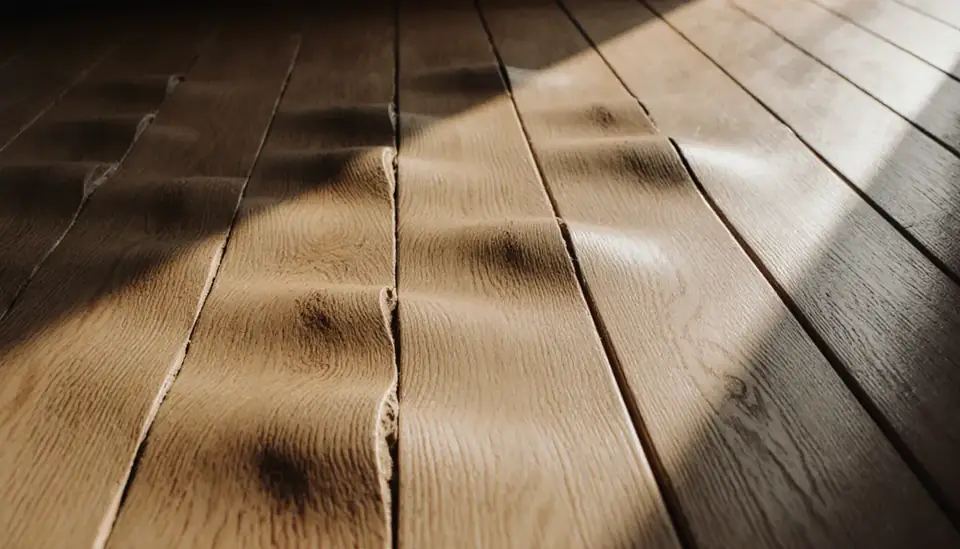
The Warrenton Historic District was listed on the National Register of Historic Places in 1983, and much of the town's older building stock stands within it. Older houses and storefronts like these commonly have plaster walls, old wood floors and cellars that were never designed as living space. In such properties a leak from a failed roof valley or a cracked cast-iron drain can travel through wall cavities and surface a room or two away.
Older materials respond well to careful drying. Plaster can often stay in place if it's dried promptly, and wood floors are less likely to cup if humidity is brought down gradually. Ask the provider about their plan for original materials before any demolition, and keep records of what was removed for the insurance claim.
Cold Snaps and Burst Pipes at 600-Plus Feet
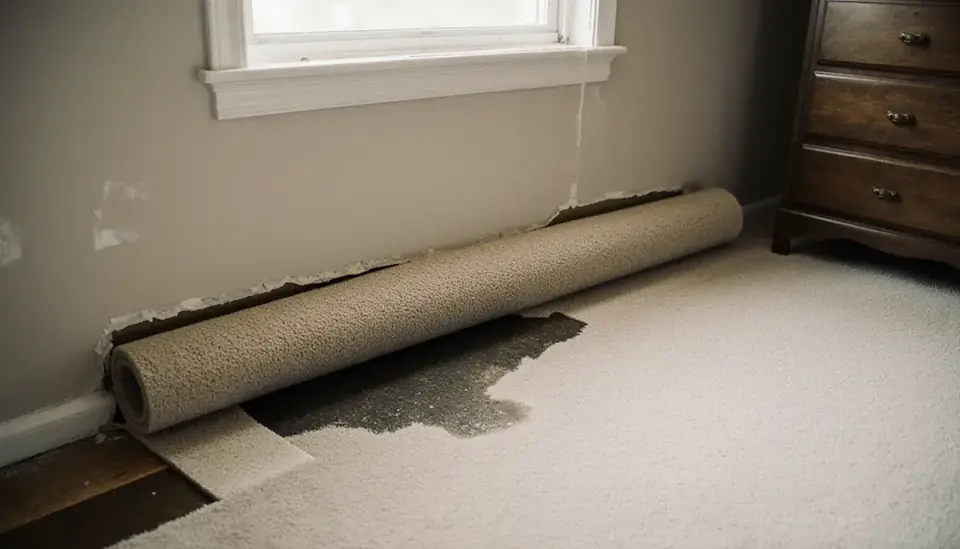
Higher elevation and open countryside make Warrenton winters a bit sharper than in the tidewater. A hard freeze is the classic cause of a sudden indoor flood here:
- Supply lines in exterior walls, especially under kitchen and bathroom sinks
- Pipes running through unheated crawl spaces, garages or attic spaces
- Outdoor spigots without frost-free valves or with hoses left attached
- Fire sprinkler lines in older commercial buildings with poor insulation
Pipes often split overnight and don't leak until they thaw, so check basements and cabinets when temperatures climb. Shut the main valve as soon as you see water. Fast water extraction followed by structured drying usually limits the damage to the affected rooms.
Derecho and Hurricane Winds Across the Piedmont
Wind storms cause a large share of roof leaks in Fauquier County. Statewide, Hurricane Isabel in 2003 left about 1.8 million electric customers without power, and the June 2012 derecho knocked out power to roughly a million more, with at least ten deaths in Virginia caused by falling trees. Large trees around older homes and farm properties mean a single storm can bring limbs onto roofs across town.
After the wind passes, cover any opening with a tarp, document the damage, and check attics for wet insulation. A provider offering storm damage cleanup can dry the structure before repairs, and power outages make that more urgent, since a basement sump stops working without electricity.
Musty Basements and Mold in Fauquier Summers
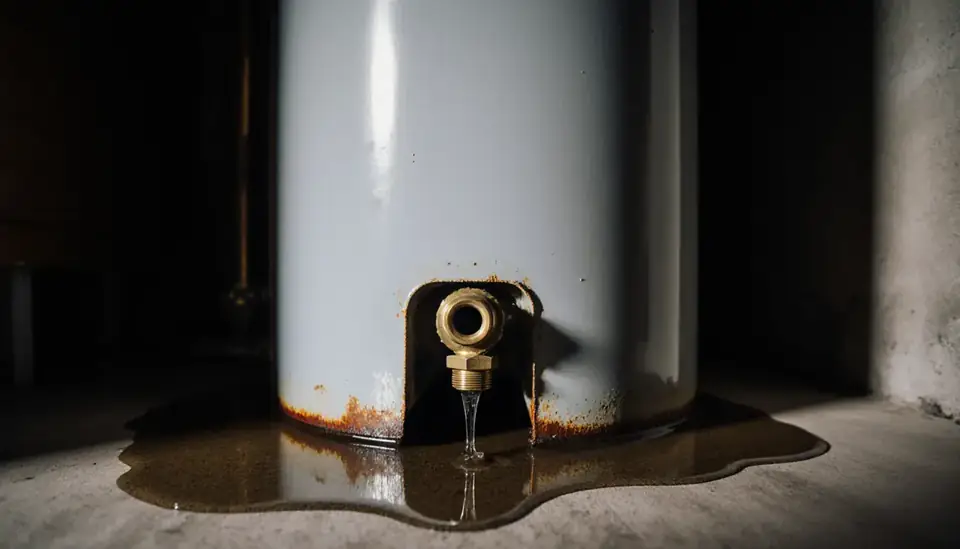
The town's humid subtropical climate brings hot, humid summers, and that moisture slows drying in basements and closed rooms. Wet drywall, carpet pad and wood framing can support mold growth within a day or two. Musty odors, peeling paint low on walls and warped baseboards are signs moisture is still present.
For small areas on non-porous surfaces, cleaning and drying is usually enough. For widespread growth or anything inside wall cavities, professional mold remediation with containment is the safer route, and it only lasts if the leak or humidity source is fixed.
Neighborhoods and Nearby Communities
Calls come in from across Warrenton, including:
- Warrenton Historic District
The same line also serves nearby communities such as:
- New Baltimore
- Bealeton
- Remington
- Catlett
- Calverton
- The Plains
- Marshall
- Culpeper
Warrenton Water Damage Questions
Warrenton isn't on a river. Do I still need flood insurance?
Not every home needs it, but the risk isn't zero. Small headwater streams around town rise quickly during intense storms, and runoff can flood low basements. Look the property up on FEMA's flood map portal, then ask your agent what a policy would cost. Since homeowners policies exclude flood damage, a low-cost flood policy outside high-risk zones is worth pricing.
How do I get local emergency alerts in Fauquier County?
The Town of Warrenton points residents to the Fauquier County citizen alert notification system, which sends messages about severe weather, road closures and evacuations. Sign up for it, and follow National Weather Service watches and warnings. If water gets into your home, call (888) 317-9980 to be connected with an independent restoration provider in the area.
A pipe split overnight during a Warrenton freeze. What now?
Close the main water shutoff, turn off electricity to any flooded area if it's safe, and open faucets to drain the remaining water. Call a plumber for the pipe itself. Then photograph the damage, contact your insurer and get drying started quickly, since wet drywall and flooring left for more than a day or two become harder to save.