

The New River wraps around Radford on three sides, curving along the southwestern, western and northern edges of the city before it bends past the Radford Army Ammunition Plant. That geography shapes almost every serious flood conversation here. The river's worst recorded flood came on August 14, 1940, when a tropical depression pushed water to 35 feet 11.5 inches, nearly 22 feet above flood stage. A high-water marker dedicated in 2011 still shows how far it rose.
The Restoration Job does not do restoration work itself; it is a free line that links callers to local companies. Call (888) 317-9980 at any hour and we'll put you in touch with an independent restoration provider that works in Radford and the surrounding New River Valley, whether the water came from the river, a storm or a split pipe.
How the call works: when you call (888) 317-9980, The Restoration Job connects you with an independent restoration provider that serves Radford. That provider inspects the damage, explains the scope and quotes the work. The Restoration Job doesn't perform restoration itself. Read our referral disclosure.
Living With the New River on Three Sides
Few small cities sit so tightly against one river. Because the New River forms much of Radford's boundary, low-lying lots near the banks can take on water in a long, heavy rain even when the upper parts of town stay dry. The 1940 flood followed rainfall that peaked at more than 17 inches in nearby Floyd County, a reminder that what happens upstream matters as much as the weather overhead.
Claytor Dam, completed in 1939 just south of the city in Pulaski County, was built for hydroelectric power, not flood storage, so it should not be counted on to hold back a major event. Before buying, renting or renovating near the water, look up the address on Virginia's VFRIS viewer or FEMA's flood map center. Keep in mind that a standard homeowners policy does not cover rising water; that takes a separate flood policy.
Leaks in Radford University-Area Rentals
Radford University draws thousands of students, and a lot of the city's housing turns over every year. In a rental, a leaking washer hose or an overflowing upstairs tub often becomes a three-way problem between tenant, landlord and neighbor. A few habits keep it from getting worse:
- Shut off the water at the fixture or main, then tell the landlord or property manager in writing, with photos.
- Move laptops, textbooks and anything on the floor to a dry room.
- Renters' insurance usually covers a tenant's belongings, while the building itself falls to the owner's policy.
- Let the owner arrange water extraction quickly; carpet pad in older units soaks up water fast.
Breaks between semesters are a known risk. An apartment left empty and lightly heated over winter break can hide a frozen-pipe leak for days.
Arsenal-Era Houses in Monroe Terrace and Sunset Village
Neighborhoods such as Monroe Terrace, Radford Village and Sunset Village were built in the 1940s to house workers at the arsenal. Homes from that period are now around 80 years old, and many have been updated piece by piece. Original galvanized supply lines, aging drain pipes and additions joined to older foundations are all places where slow leaks start.
A slow leak behind a wall or under a floor usually shows up as a soft spot, a musty smell or a stain that grows after each shower. Restoration crews typically open a small inspection hole, measure moisture in the framing and set up drying equipment before any rebuild begins. Proper structural drying matters more in an older house, where plaster and old-growth lumber hold water longer than modern drywall.
Damp Summers, Cold Snaps and Mold in the New River Valley
The valley's weather is rarely extreme for long, but precipitation comes steadily through the year, and cold winter nights are common at this elevation. That combination produces two familiar problems: burst pipes after a hard freeze and lingering basement dampness the rest of the year.
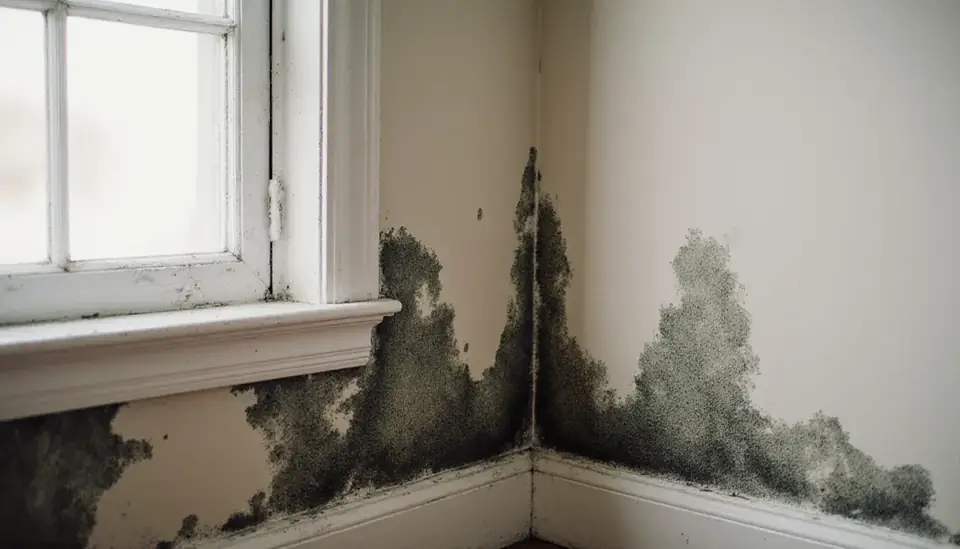
Mold tends to follow any wet material that stays damp for more than a day or two. In a basement or crawl space, run a dehumidifier, keep gutters clear and check that downspouts carry water away from the foundation. If drywall, carpet or insulation stayed wet after a leak, a provider offering mold remediation can test and remove affected materials rather than painting over them.
What a Flood Cleanup Visit Looks Like Here
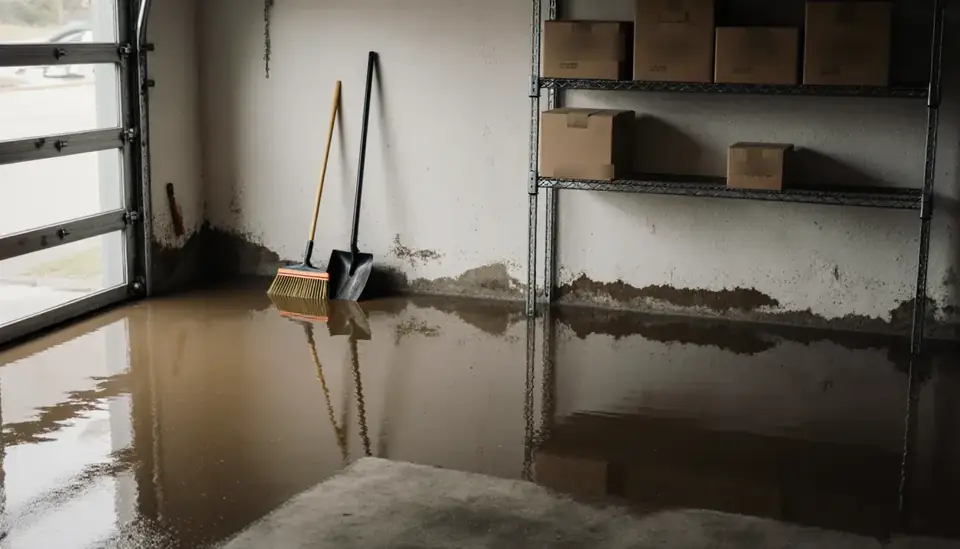
For river or storm water, the first step is safety: keep the power off in flooded rooms until an electrician or utility confirms it is safe. Floodwater from the New River should be treated as contaminated, so porous items it touched, like carpet, padding and upholstered furniture, usually go. A crew will pump out standing water, remove soaked drywall to a set height, clean and disinfect, then dry the structure with air movers and dehumidifiers while tracking moisture readings.
Photograph everything before it is hauled away, and keep a list for your insurer. Neighbors across the county line in Pulaski County or Montgomery County often deal with the same storms, so independent providers in the area tend to be busiest right after a regional event. Call early, and see our Virginia service area page for statewide context.
Where Callers in the Radford Area Are
Calls come in from across Radford, including:
- Monroe Terrace
- Radford Village
- Sunset Village
The same line also serves nearby communities such as:
- Fairlawn
- Christiansburg
- Blacksburg
- Pulaski
- Dublin
Common Questions
Is my Radford home in a New River flood zone?
Check the exact address on Virginia's VFRIS viewer or the FEMA Flood Map Service Center. Because the river runs along three sides of the city, properties close to the banks are the ones most likely to sit in a mapped flood area. Higher neighborhoods may be outside it, but heavy rain can still flood a basement through drainage problems, so a flood policy may be worth pricing either way.
Water came through my ceiling from the apartment upstairs near the university. Who deals with it?
Usually the building owner or property manager arranges cleanup of the structure, while your renters' policy covers your own belongings if you have one. Notify the landlord in writing right away, take photos and avoid moving soaked furniture you might need to document. If nobody responds, call (888) 317-9980 and we can connect the owner or you with an independent provider that serves Radford.
How high did the New River get in Radford's worst flood?
On August 14, 1940, a tropical depression sent the river to 35 feet 11.5 inches, close to 22 feet above flood stage, after heavy rain fell across the upper basin. A marker dedicated in 2011 records that level. It remains the benchmark local residents use when talking about how serious river flooding can get.
Can mold start in a Radford basement without a flood?
Yes. Steady year-round rainfall, poor grading and blocked gutters can keep a foundation wall damp for weeks. Mold grows wherever moisture stays put on wood, drywall or stored boxes. Fix the water source first, then dry the space. Growth spreading past a small patch is better handed to a remediation provider.