
Blacks Run is the stream most Harrisonburg residents know, and the one that drains most of the city: 8.67 miles of channel and more than 9,000 acres of watershed running through the built-up heart of the city. Set at about 1,325 feet in the central Shenandoah Valley, the city of roughly 52,000 people also houses two universities, James Madison with more than 20,000 students and Eastern Mennonite with about 2,000. That combination of an urban watershed and a large rental housing stock shapes how water damage tends to happen here.
The Restoration Job operates a free 24/7 line, (888) 317-9980, that connects homeowners, tenants and property managers with independent restoration providers serving Harrisonburg and Rockingham County. The provider you are connected with handles the job and quotes it directly.
How the call works: when you call (888) 317-9980, The Restoration Job connects you with an independent restoration provider that serves Harrisonburg. That provider inspects the damage, explains the scope and quotes the work. The Restoration Job doesn't perform restoration itself. Read our referral disclosure.
Blacks Run and Runoff Across the City
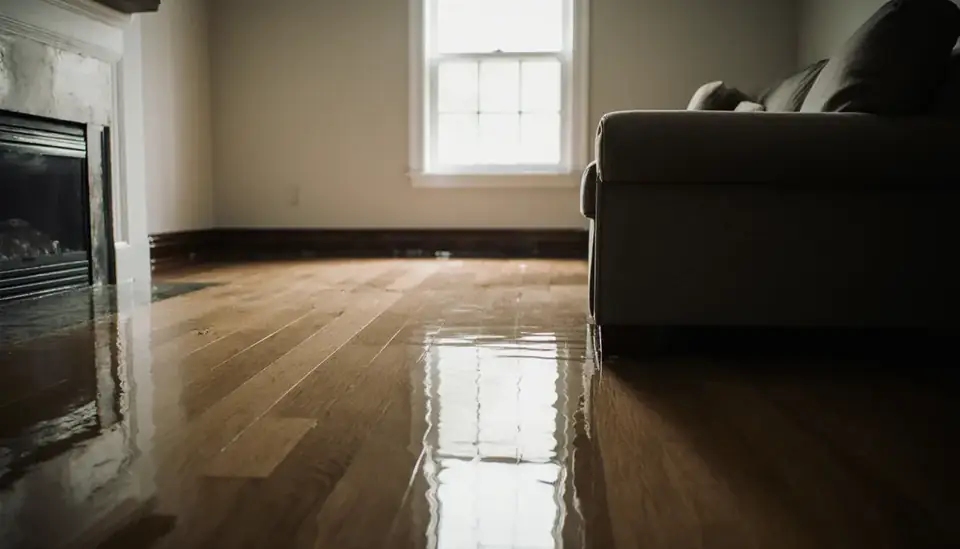
Rain falling on roofs, streets and parking lots in the Blacks Run watershed reaches storm drains and the stream quickly. A slow, soaking rain may cause no trouble, while an intense thunderstorm can overwhelm storm drains and send water across low streets and into basements. Harrisonburg's emergency management office lists flooding and dam failure among the highest-ranked hazards in the Central Shenandoah Hazard Mitigation Plan, along with drought, hurricanes and severe winter weather.
The wider county has a long flood record. In the 1985 Election Day flood, water entered about 4,000 houses and 350 farms in Rockingham County and damaged most of its roads. Hurricane Fran in 1996 destroyed 40 homes in the county and caused major damage to 105 more, according to the National Weather Service. Properties near Blacks Run and other low spots should check their flood zone, and anyone with a basement should think about surface water as well as river water.
Student Rentals and Apartment Leaks: Who Handles What
With tens of thousands of students in town, many people in Harrisonburg rent. Leaks in apartment buildings and shared houses raise questions that single-family homeowners don't face.
- Tenants should report any leak to the landlord or property manager right away and in writing, with photos.
- The owner's insurance usually covers the building itself. A renter's own belongings are generally covered only by renters insurance.
- Water from an upstairs unit can damage ceilings, walls and contents below, so notify neighbors too.
- Leaving for winter break? Keep the heat on. An empty apartment with a frozen pipe can leak for days before anyone notices.
Property managers who need quick water extraction in an occupied building can call (888) 317-9980 to be connected with a provider.
Downtown, Old Town and Older Building Stock
The Harrisonburg Downtown Historic District covers about 100 acres and was listed on the National Register in 2004. The neighboring Old Town Historic District, a residential area, gained historic district status in 2007. Newtown, in the Northeast section, dates to around 1865. Homes and storefronts in these areas may have plaster walls, solid wood floors, brick or stone foundations and plumbing that has been patched over many decades.
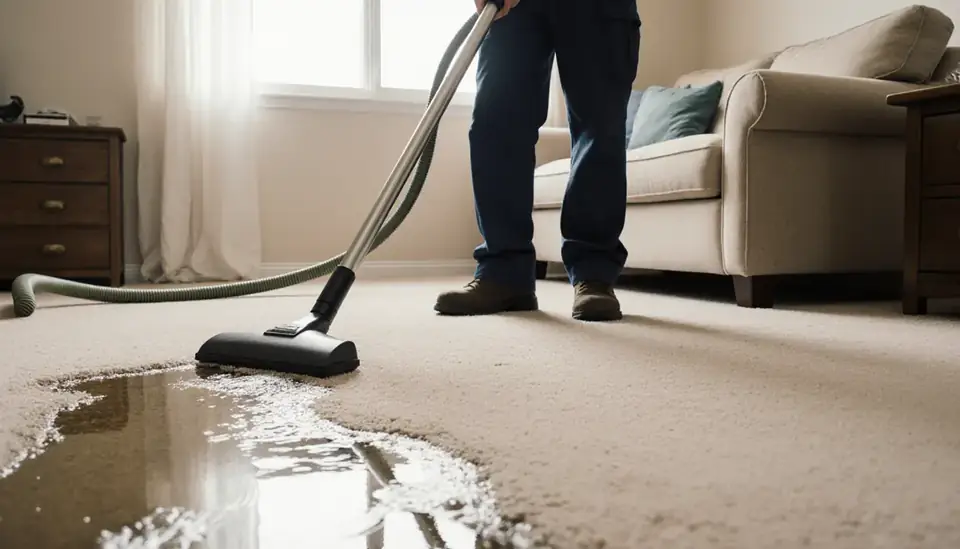
Those materials respond well to careful drying. Plaster that is still firmly attached can often stay. Old hardwood may cup and then settle back. A thoughtful approach to water damage restoration in older buildings saves original fabric where it makes sense and removes only what can't be dried.
Valley Winters, Summer Humidity and Mold
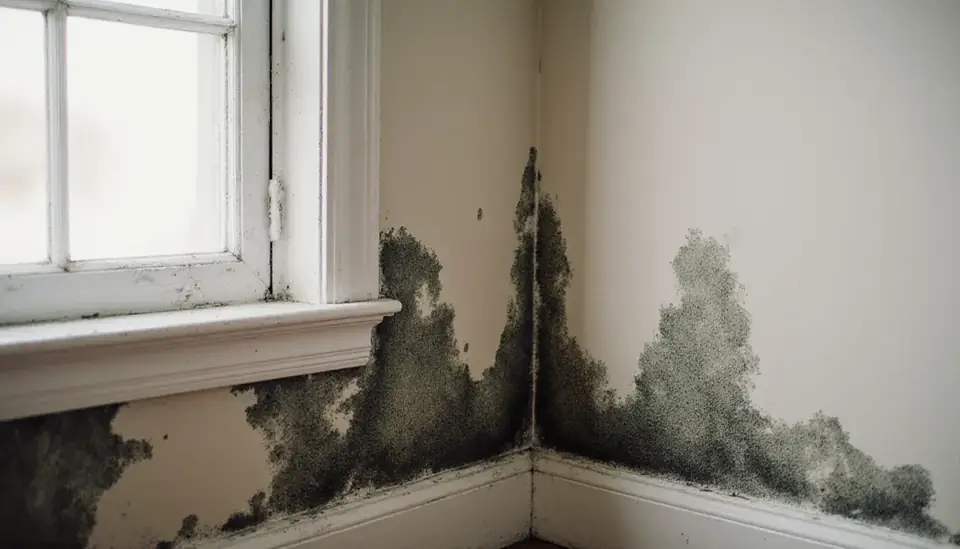
Harrisonburg sits in USDA hardiness zone 6b, where typical winter minimums drop to between 5 below and 0. Pipes in exterior walls, crawl spaces and unheated garages are at risk during those cold snaps, and a split pipe often starts leaking only once the thaw arrives. Summers are hot and humid, so any water left in drywall, carpet pad or insulation can begin growing mold within a few days.
In this climate, the first two days after a leak decide most of the outcome. Run dehumidifiers, open up wet wall cavities if needed and avoid covering damp subfloors with new flooring. If mold has already spread over framing or into HVAC ductwork, mold remediation with containment protects the rest of the building, which matters even more in apartments with shared air.
Practical First Steps in a Harrisonburg Water Emergency
Shut off the water at the main valve or the fixture. Turn off power to wet areas if it is safe to reach the panel. Record the wet areas and the leak point on your phone, both stills and a short walk-through video. Contact your insurance company and, if you rent, your landlord.
Sign up for the city's Notify Harrisonburg alerts to get warnings about flooding and severe weather. Keep in mind that standard homeowners policies generally exclude surface flooding, which requires a separate flood insurance policy, while sudden plumbing leaks are more often covered. A restoration provider should explain the drying plan, take daily moisture readings and give you copies for your claim.
Neighborhoods and Nearby Communities
Calls come in from across Harrisonburg, including:
- Downtown Historic District
- Old Town
- Newtown
- Northeast
The same line also serves nearby communities such as:
- Dayton
- Bridgewater
- Massanetta Springs
- Luray
- Woodstock
Frequently Asked Questions
Does Blacks Run flood homes in Harrisonburg?
Blacks Run drains more than 9,000 acres of the city and can rise quickly during intense storms, and the city counts flooding among its highest-ranked hazards. Whether a given home is at risk depends on its location and elevation. Check FEMA's Flood Map Service Center or the Virginia Flood Risk Information System, and remember storm drains can back up away from the stream too.
I rent near JMU and my apartment flooded. What should I do?
Tell your landlord or property manager immediately, in writing, with photos. The building owner is generally responsible for repairs to the structure, while your own furniture, clothes and electronics are usually covered only by renters insurance. Move valuables out of the wet area and avoid using electrical devices near water. Keep a record of when you reported the problem.
How do I get flood and weather alerts in Harrisonburg?
The city's Office of Emergency Management runs Notify Harrisonburg, which you can sign up for on the city website. The National Weather Service Baltimore/Washington office issues flood watches and warnings for the area. Getting alerts early gives you time to move vehicles and belongings out of low spots before heavy rain hits.
What does water damage restoration involve in an older downtown building?
A provider will find the source, measure moisture in walls and floors, remove standing water and take out materials that can't be dried. In older buildings, plaster walls and solid wood floors can often be dried in place with dehumidifiers and air movement, though it may take longer than with modern materials. Ask for daily moisture logs.