

Few towns in Virginia have a river shaped quite like Woodstock's. Along Woodstock, the North Fork of the Shenandoah twists through the Seven Bends, a series of unusually sharp, tightly packed meanders at the foot of Massanutten Mountain. The town itself sits higher, at about 784 feet, on less than four square miles. As the county seat of Shenandoah County, it also has the oldest courthouse still in use west of the Blue Ridge, and a historic district listed on the National Register in 1995.
For help after a leak or flood here, The Restoration Job acts as a go-between. Dial (888) 317-9980 and we'll put you through to a company that serves Woodstock and nearby towns. It's a free call, and the provider you speak with is the one that does the work.
How the call works: when you call (888) 317-9980, The Restoration Job connects you with an independent restoration provider that serves Woodstock. That provider inspects the damage, explains the scope and quotes the work. The Restoration Job doesn't perform restoration itself. Read our referral disclosure.
The Seven Bends and Low Ground Along the North Fork
Tight meanders slow a river down in normal weather, but in a flood the water spreads across the low fields and bottomland inside each loop. Homes, cabins and outbuildings on that low ground are the most likely in the Woodstock area to see river water, while the town center on higher ground deals more with runoff and leaks. The worst regional floods have come from tropical rain: Hurricane Fran in 1996 brought record flooding to the Shenandoah, and Isabel in 2003 dropped 6 to 12 inches across the valley, according to the National Weather Service.
River water should be treated as contaminated. It leaves silt in wall cavities and on floors and can carry fuel, farm runoff and sewage. Porous materials it touched generally have to be removed. If you live near the river, keep valuables and papers above the first floor during storm season and know your route to higher ground.
Minus 23 Degrees: Freeze Damage in Woodstock Homes
Woodstock's record low is 23 degrees below zero, and January nights average around 20 degrees. The town also averages about 23 inches of snow a year. Burst pipes are a regular winter problem, especially in older houses where plumbing runs along exterior walls or through crawl spaces and cellars.
- Keep the heat on and cabinet doors open on outside walls during extreme cold, and let faucets drip.
- Shut off and drain water to vacant homes, cabins and seasonal properties, or keep them heated and checked.
- Watch for icicles and ice dams along eaves. Meltwater can work under shingles and stain ceilings.
- When a pipe bursts, close the main valve at once and switch off power to the wet area.
A provider offering water extraction can remove the water and begin drying before it spreads under flooring.
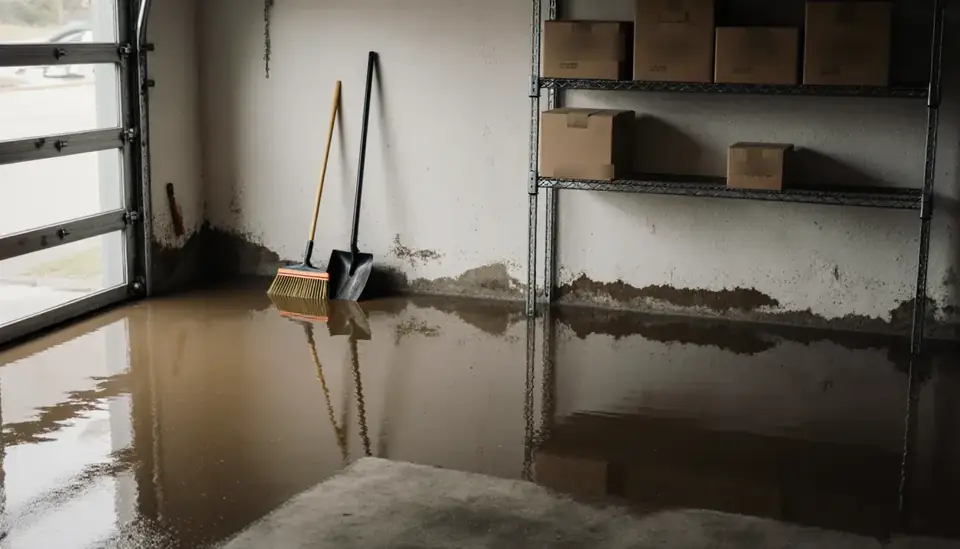
Older Downtown Buildings and Shared Walls
Buildings in the Woodstock Historic District and other older parts of town can have brick walls, plaster interiors, wood floors and basements with stone foundations. Where an apartment sits above a shop, a leak from an upstairs bathroom or roof can damage a business below.
Older materials can often be saved with patient drying. Plaster on wood lath may stay in place if it is still well attached, and solid hardwood can flatten out after slow drying. If you own or rent space in a shared building, notify the owner and neighboring tenants right away, since water rarely stays in one unit.
Damp Basements and Mold in the Valley's Humidity
Woodstock gets roughly 37 inches of precipitation a year, and summer highs average in the mid-80s. Basements and crawl spaces that stay damp can grow mold on wood, drywall paper and stored contents within days after a leak. Old foundations that wick ground moisture make the problem worse.
Dry the space quickly, remove wet cardboard and fabric, and run a dehumidifier. If you see growth spreading across framing or smell it throughout the house, mold remediation with proper containment is safer than scrubbing it yourself, since disturbing large areas can spread spores.
Steps to Take Before Calling Your Insurer
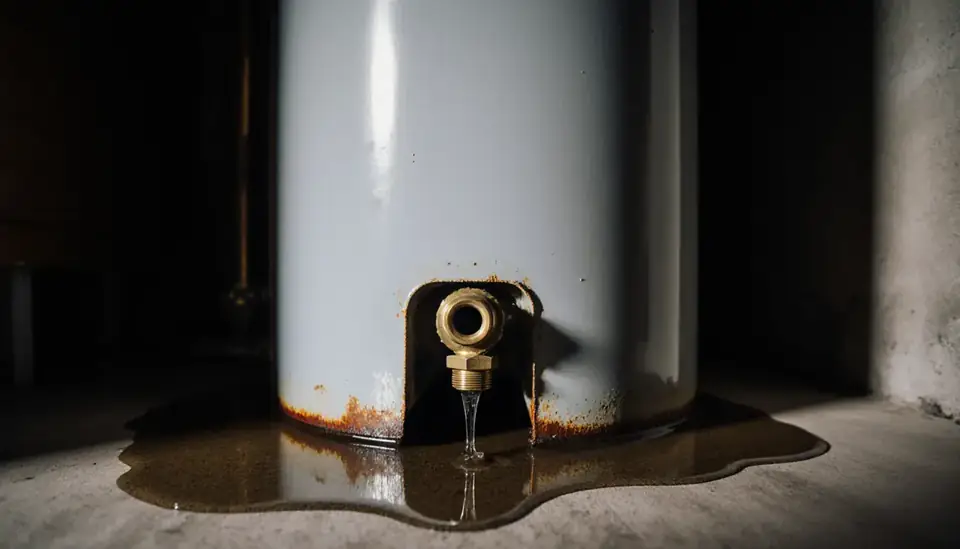
Write down when you found the water and where it seemed to come from. Photograph the damage from several angles, including the source. Remove valuables and anything that can still be saved, then contact your insurance company.
Homeowners policies typically cover sudden leaks, such as a frozen pipe that bursts or a failed water heater. River flooding and surface runoff are typically excluded and require a separate flood insurance policy. A restoration provider should give you a written scope of work and keep daily moisture logs; ask for copies. To get connected with one, call (888) 317-9980.
Woodstock Neighborhoods and Surrounding Towns
Calls come in from across Woodstock, including:
- Woodstock Historic District
The same line also serves nearby communities such as:
- Strasburg
- Toms Brook
- Maurertown
- Edinburg
- Mount Jackson
- Front Royal
Woodstock Water Damage Questions
Are homes along the Seven Bends at higher flood risk?
Low ground along the North Fork, including the bottomland inside the Seven Bends, is where river flooding is most likely to spread. Risk depends on each parcel's elevation, so check the Virginia Flood Risk Information System or FEMA's Flood Map Service Center for your address. If you are in or near a mapped zone, ask an agent about flood insurance, which is separate from homeowners coverage.
What should I do about a cabin or second home near Woodstock in winter?
Freezing temperatures in an empty house can split pipes, and nobody notices until water has run for days. Either keep the heat on and have someone check the place regularly, or shut off the main valve and drain the lines before winter. A smart water sensor or temperature alert can also warn you early. If you find damage, call (888) 317-9980 to reach a provider.
Can a water-damaged plaster wall in an older Woodstock home be saved?
Often it can. Plaster tolerates water better than drywall and can usually be dried in place if it is still firmly attached to the lath. Plaster that is sagging, cracked away from the lath, or soaked with floodwater usually has to be removed. Ask the provider to test moisture inside the wall and explain what can stay.