
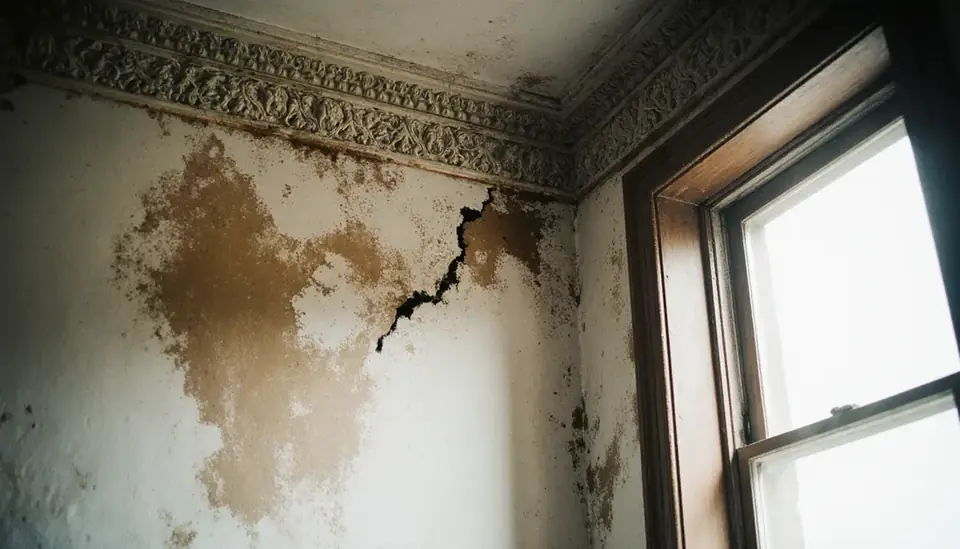
Winchester is a compact independent city of a little over nine square miles at the northern end of the Shenandoah Valley, about 725 feet above sea level. Almost none of that area is open water, and no large river runs through town. The water that causes trouble here comes from the sky and from the pipes: summer thunderstorms that overwhelm older storm drains, small streams like Town Run and Abrams Creek rising after a downpour, and winter cold that splits supply lines. The record low on the books is 18 degrees below zero.
The Restoration Job runs a free phone line, (888) 317-9980, that connects callers with independent restoration providers serving Winchester and the surrounding Frederick County area. We don't do the work ourselves. The provider you reach handles the extraction, drying and repairs and works directly with you.
How the call works: when you call (888) 317-9980, The Restoration Job connects you with an independent restoration provider that serves Winchester. That provider inspects the damage, explains the scope and quotes the work. The Restoration Job doesn't perform restoration itself. Read our referral disclosure.
Town Run, Abrams Creek and a $176 Million Drainage To-Do List
Abrams Creek begins near Round Hill west of the city and flows east to meet Opequon Creek about a mile past Winchester. Town Run and Ash Hollow Run feed into it along the way. These are small streams, but in a built-up city small streams carry runoff from a great deal of pavement and rooftop, and they can climb quickly during a summer cloudburst.
The city is candid about its drainage backlog. In 2023, staff identified 75 projects needed to address flooding, maintenance and regulatory problems in the stormwater system, with cost estimates totaling $176 million. Winchester set up a stormwater utility fee to pay for the work, and the first projects include four wet ponds to hold runoff along North Cameron and North Kent Streets. Until that work is finished, low spots, older basements and properties near overloaded inlets can still take on water in heavy rain.
Before buying or renovating, look up the parcel on the city's floodplain mapping tool or the state's flood risk viewer. A property outside the mapped zone can still flood from surface runoff.
Two Centuries of Buildings in the Historic District
The Winchester Historic District covers buildings put up between roughly 1750 and 1930, and many still stand on the original streets downtown, including the three blocks of Loudoun Street that were closed to cars in the 1970s and turned into a pedestrian mall. Brick bearing walls, stone foundations, lime plaster, heart-pine floors and cellars that were never meant to stay dry are common in this part of the city.
Those materials behave differently from modern drywall. Plaster can often be dried in place instead of torn out. Masonry and fieldstone hold moisture for weeks and can keep feeding humidity into a basement long after the leak is fixed. Old wood floors may cup and then settle back with careful, slow drying. Ask any contractor how they plan to treat original materials before demolition starts, and whether a gentler approach to structural drying would save more of the building.
Hard Freezes North of the Valley Floor
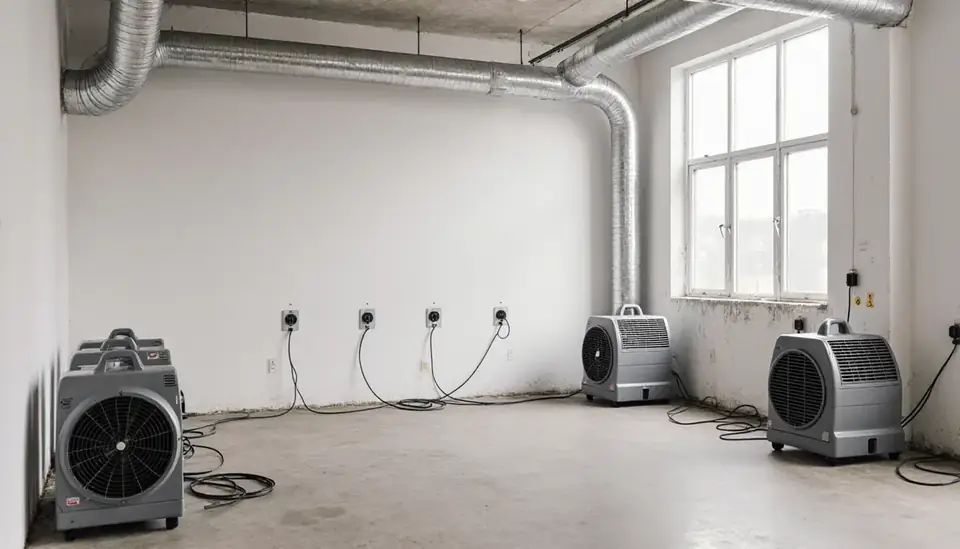
With a record low of minus 18, Winchester gets serious cold during an arctic outbreak. Frozen pipes cause a large share of winter water damage in homes of every age, and older houses with uninsulated exterior walls or plumbing in unheated crawl spaces and rear additions are especially exposed.
- Locate the main shutoff valve in the fall and test that it still closes.
- On the coldest nights, open cabinet doors under sinks on outside walls and let a faucet drip.
- Disconnect garden hoses so the outdoor spigot can drain.
- After a thaw, check basements, crawl spaces and the ceiling below upstairs bathrooms. A split pipe often starts leaking only when the ice melts.
If a line bursts, shut the water off first, then cut power to any wet area. A provider offering water extraction can remove standing water and set up drying equipment once the leak is stopped.
September Storms, Damp Cellars and Mold
Winchester averages close to 40 inches of precipitation a year, and September is typically the wettest month, overlapping the peak of the Atlantic tropical season. Warm, humid weather in late summer gives mold an easy start in a wet basement or crawl space. Carpet pad, cardboard boxes, drywall and the paper backing on insulation are usually the first materials to grow it.
Mold cleanup in Winchester tends to center on below-grade spaces: stone cellars, partially finished basements in mid-century homes, and crawl spaces under additions. Fixing the moisture source matters as much as removing the growth. That may mean regrading soil away from the foundation, extending downspouts, repairing a sump pump or adding a vapor barrier. When growth covers more than a small patch, mold remediation with containment keeps spores out of living areas.
What to Do Before a Winchester Crew Arrives
Stop the water at the source if you can, and keep away from wet outlets and appliances. Photograph every affected room before anything is moved or thrown out, then call your insurance company. Most homeowners policies exclude flooding from surface water or rising streams; that coverage comes through a separate flood policy, and the city notes that new policies usually take 30 days to take effect. Burst pipes and sudden appliance leaks are a different category and are more often covered.
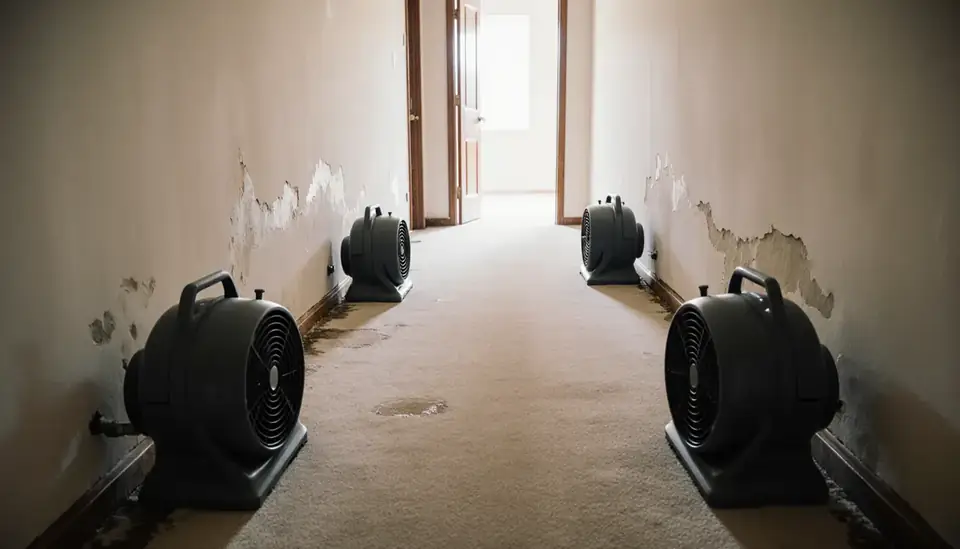
When you call (888) 317-9980, we connect you with an independent restoration company that serves Winchester. Expect them to measure moisture in walls and floors, extract standing water, remove materials that cannot be saved, and set up dehumidifiers and air movers until readings return to normal. Keep copies of their moisture logs for your claim.
Winchester Neighborhoods and Surrounding Towns
Calls come in from across Winchester, including:
- Winchester Historic District
- Loudoun Street pedestrian mall
The same line also serves nearby communities such as:
- Stephens City
- Kernstown
- Middletown
- Berryville
- Front Royal
Winchester Water Damage Questions
How do I find out whether my Winchester property is in a floodplain?
The city offers an online floodplain mapping tool through its GIS site, and the emergency management page links to it along with FEMA's Flood Map Service Center. The Virginia Flood Risk Information System, run by the Department of Conservation and Recreation, shows the same flood zones with extra state data. Remember that much of Winchester's flooding comes from overloaded storm drains, which can affect properties outside any mapped zone.
Water came into my basement during a thunderstorm. Is that a flood claim?
The answer turns on the route the water took. Surface water flowing in from outside is generally treated as flooding and needs a separate flood policy. Water that backs up through a floor drain may fall under a sewer backup endorsement, if you have one. A leaking pipe or failed water heater is usually handled under a standard homeowners policy. Document the entry point with photos and describe it plainly to your adjuster.
Can plaster walls in an older Winchester house be saved after a leak?
Often, yes. Traditional lime plaster on wood or masonry lath tolerates getting wet better than drywall, and it can frequently be dried in place with dehumidifiers and air movement. Plaster that has separated from its lath, is sagging, or was soaked with contaminated water usually needs to come out. Ask the provider to test moisture levels and explain which sections can stay.
Who should I call about a clogged storm drain flooding my street?
Report storm drain and drainage problems to the City of Winchester through its online issue reporting system, which is linked from the stormwater page. For water already inside your home or business, call (888) 317-9980 and we'll connect you with an independent restoration provider serving the city. For emergencies involving danger to life, call 911.