
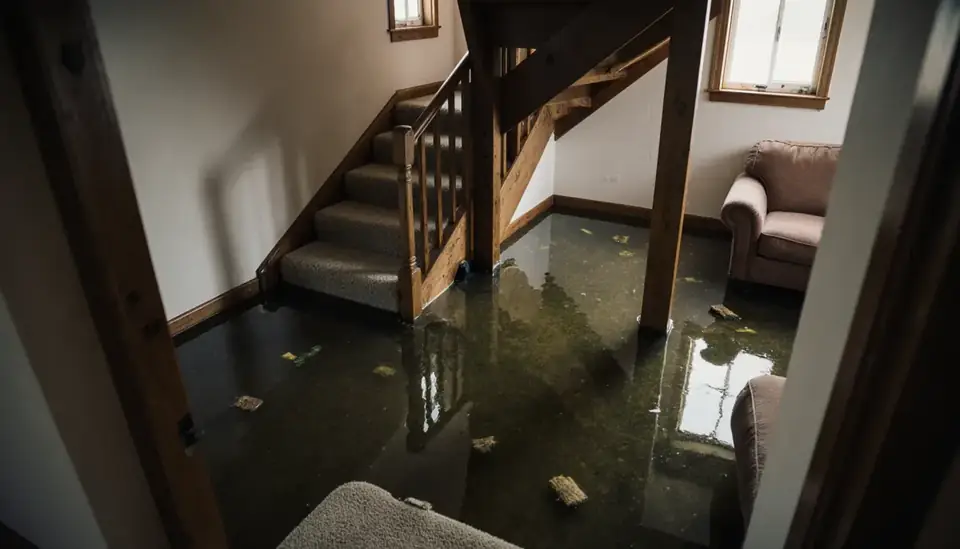
Bridgewater was built inside a bend of the North River, close to where the Dry River joins it, and the town has paid for that location. Six major floods have hit since Bridgewater was incorporated in 1835. The worst, in 1949, killed two people and led the U.S. Army Corps of Engineers to build a long earthen levee that now protects much of the town. That levee proved its value in the November 1985 flood: water entered some 4,000 houses across Rockingham County, yet Bridgewater came through with minor damage to roads and its hydroelectric plant.
We don't restore homes; The Restoration Job is a free service that connects calls. Call (888) 317-9980 around the clock and we'll connect you with an independent provider that serves Bridgewater, Dayton, Mount Crawford and the surrounding part of Rockingham County.
How the call works: when you call (888) 317-9980, The Restoration Job connects you with an independent restoration provider that serves Bridgewater. That provider inspects the damage, explains the scope and quotes the work. The Restoration Job doesn't perform restoration itself. Read our referral disclosure.
Living Behind the North River Levee
A levee lowers risk; it does not erase it. Rain that falls inside the protected area still has to drain out, and very heavy downpours can pond in low streets and yards before it does. Properties outside the protected area can face river water directly. During Hurricane Fran in September 1996, more than 10,000 people were evacuated from their homes in Rockingham County, a sign of how widely the rivers here can spread in a large event.
The town keeps detailed flood information. Its floodplain management page links FEMA flood insurance rate maps and studies dating from 1974 through the current 2014 maps, real-time North River readings from USGS gauges, and a searchable list of elevation certificates held by the zoning office for new and substantially improved buildings. A zoning permit is required for construction or renovation in the special flood hazard area, which includes rebuilding after significant flood damage.
College Rentals, Older Houses and Newer Subdivisions
Bridgewater has grown quickly, from about 5,600 residents in 2010 to roughly 6,600 in 2020, and Bridgewater College, founded in 1880, adds more than 1,800 students. That mix shapes the water problems people call about:
- Rental houses and apartments where a leak upstairs reaches another tenant's unit before the landlord hears about it
- Older homes with cellars, aging pipes and plaster walls
- Newer houses with finished basements, sump pumps and laundry rooms on upper floors
- Frozen lines when students leave for winter break and heat is turned down in empty rentals
Tenants should report water to the landlord immediately and photograph the damage; owners should check vacant units during cold snaps.

Cleaning Up After River or Runoff Flooding
Floodwater from the North River or from street runoff should be handled as contaminated. Keep out of flooded basements until power to the area is off, and don't restart a furnace or water heater that sat in water until it has been checked. Photograph the water line and damaged items, then contact your insurer. River and surface flooding is generally covered only by a separate flood policy, while a sudden pipe break usually falls under homeowners insurance.
Professional flood cleanup typically includes pumping out standing water, removing mud, cutting out wet drywall and insulation above the water line, sanitizing the framing, and then running dehumidifiers until moisture readings return to normal. If your home is in the mapped floodplain, ask the town's zoning office about permit requirements before rebuilding.
Damp Valley Air and Mold
The Shenandoah Valley's humid summers keep basements and crawl spaces damp, and a home that took on water can show mold on drywall, carpet backing or stored boxes within a few days. Mold cleanup in Bridgewater homes usually means removing porous materials that stayed wet, cleaning and drying framing, and fixing the cause, such as a sump that cannot keep up or downspouts that empty against the foundation. Run a dehumidifier in below-grade rooms through the summer and keep an eye on any space that smells musty.
Freezes, Snowmelt and Spring Rain
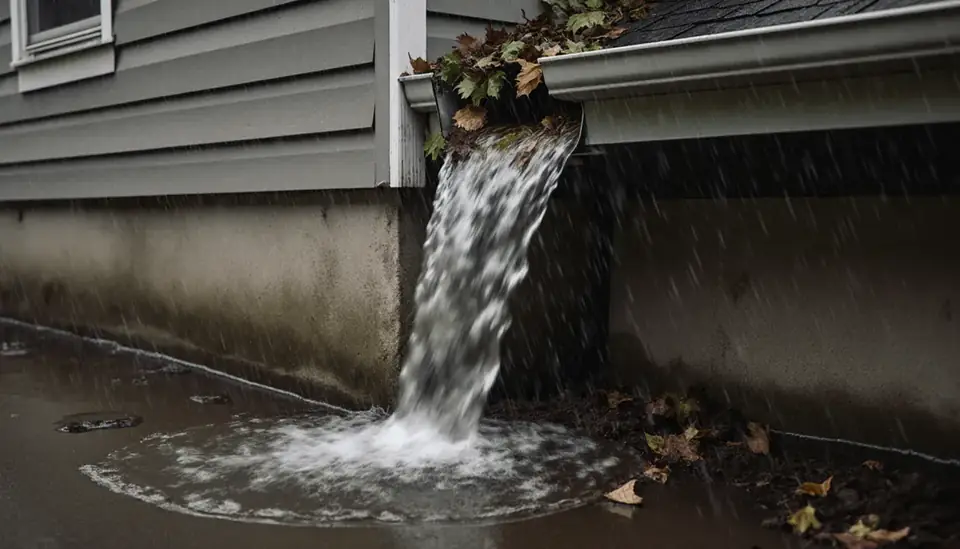
Winters here bring hard freezes, and pipes in exterior walls, crawl spaces and attached garages are the common failure points. A thaw following snow, especially with rain on top of it, can raise the rivers and send meltwater against foundations at the same time. Clear snow away from basement window wells and keep gutters free before a thaw. If a pipe bursts, shut the main valve and get structural drying started before water wicks into subfloors and wall framing.
Where Callers in the Bridgewater Area Are
The same line also serves nearby communities such as:
- Dayton
- Mount Crawford
- Harrisonburg
- Grottoes
- Weyers Cave
Frequently Asked Questions
Does the levee mean I don't need flood insurance in Bridgewater?
Not necessarily. The levee protects large parts of town but not every property, and water from heavy rain can still collect inside it. Check your address against FEMA's maps and the town's floodplain information. Flood insurance is separate from homeowners coverage and usually has a waiting period before it takes effect, so it can't be bought once the river is rising.
Where can I see how high the North River is running?
Bridgewater's floodplain management page links to USGS gauges that report real-time North River conditions. Watching those readings during a long rain helps you decide when to move valuables out of a basement. The National Weather Service office in Sterling issues flood watches and warnings for Rockingham County.
I rent near the college and my ceiling is leaking. What should I do?
Tell your landlord or property manager right away, in writing if you can, and photograph the damage and your belongings. Move electronics and furniture out of the wet area. The building owner is usually responsible for repairs to the structure, while renters insurance may cover your own property. A restoration provider can be brought in by the owner to dry the unit.
Does Bridgewater require a permit to rebuild after a flood?
If your building is in the special flood hazard area, the town requires a zoning permit for construction or renovation there, and that can include major repairs after a flood. Contact Bridgewater's zoning office before rebuilding walls or replacing systems so the work meets floodplain rules.