

Robert E. Simon founded Reston on April 10, 1964, and laid it out as a planned community of village centers, wooded paths and man-made lakes. That design shapes how water problems show up here today. Homes sit in clusters of attached townhouses, apartments and single-family streets, many of them sloping down toward Lake Anne, Lake Thoreau, Lake Audubon or Lake Newport, and the oldest of them are now around sixty years old. A failed supply line in one townhouse can soak the party wall next door, and a hard summer storm sends runoff down the same wooded draws the community was designed around.
No crew is sent by The Restoration Job itself; the service is a free referral line: call (888) 317-9980 at any hour and we'll connect you with an independent restoration company that works in Reston and the nearby parts of Fairfax County. That provider handles the inspection, the water removal and the drying plan.
How the call works: when you call (888) 317-9980, The Restoration Job connects you with an independent restoration provider that serves Reston. That provider inspects the damage, explains the scope and quotes the work. The Restoration Job doesn't perform restoration itself. Read our referral disclosure.
Four Lakes, the Difficult Run Headwaters and Runoff Between the Clusters
Reston sits in the upper reaches of two county watersheds. Fairfax County's stormwater program describes Difficult Run as the largest watershed in the county, at 57.7 square miles, and lists Lake Anne, Lake Thoreau, Lake Audubon and Lake Fairfax among the man-made lakes inside it. Snakeden Branch and Colvin Run, both named Difficult Run tributaries, carry water away from much of the community. The western edge drains toward Sugarland Run, which shares a border with Herndon.
The county separates its flood problems into a few types, and in Reston the one most homeowners meet is what it calls urban flooding: rain that arrives faster than storm drains, swales and culverts can take it. Paved parking courts in townhouse clusters, sloped lots that funnel water toward rear patios, and window wells on lower levels are the usual entry points. Water that comes in this way tends to pool against the downhill wall of a basement or walk-out level and wick into drywall and carpet pad within hours.
Shared Walls and Shared Responsibility in Reston Townhouses
Attached housing is a large part of Reston's stock, and it changes the first hour of a leak. A burst washing machine hose or an upstairs toilet overflow rarely stays in one unit. Before anything is torn out, it helps to sort out three things:
- Where the water started. The unit where the leak began is usually the starting point for any claim, but the neighbor's own policy often covers damage on their side.
- What the cluster association maintains. Many clusters handle roofs, exterior walls or common pipes, and their documents spell out where the owner's responsibility ends.
- Who needs to be in the room. If moisture has crossed a party wall, a drying plan for one unit alone can leave the adjoining cavity wet.
A provider doing water damage restoration in attached homes will typically take moisture readings on both sides of a shared wall and in the ceiling below before deciding what has to come out.

Derecho Winds, Fallen Trees and Roof Openings
Reston's tree canopy is one of the reasons people live here, and it is also a storm risk. During the June 29, 2012 derecho, the National Weather Service recorded a 71 mph gust at nearby Dulles Airport, and most of the damage across the region came from trees falling onto houses, cars and power lines. About 1.2 million customers lost power in the Washington area. A limb through a roof lets rain into the attic and ceiling insulation, and a long outage stops sump pumps and dehumidifiers at the same time. After a storm like that, storm damage cleanup usually begins with tarping and tree removal before any interior drying can work.
First Steps After a Leak or Flooded Lower Level
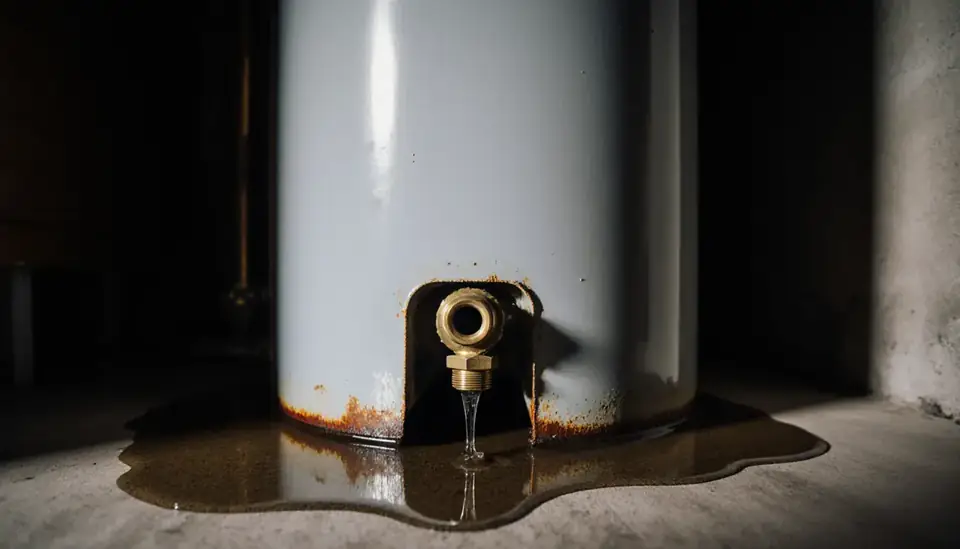
Shut off water at the main if a pipe or fitting has failed, and cut power to a flooded lower level only if you can reach the panel without standing in water. Photograph everything before moving it. Pull rugs and furniture off wet carpet, and open interior doors so air can move. Then let the professionals measure: hidden moisture in a slab, under laminate or in the bottom of a stud wall is what turns a one-day mess into a longer job.
A typical restoration crew will extract standing water, remove soaked pad and baseboard where needed, and set air movers and dehumidifiers, checking readings each day until materials reach a dry standard. Lower levels with carpet over concrete often need the most attention.
Mold Growth in Humid Summers and Wooded Lots
Northern Virginia summers are hot and humid, and Reston averages a little over 41 inches of precipitation a year. Shaded lots and lower levels built into hillsides stay damp longer than open, sunny ones. Mold can start on wet drywall paper, carpet backing and the underside of cabinets within a couple of days, which is why fast drying matters more than any spray applied afterward. Musty odors that linger after a leak has been fixed are a sign that something behind a surface stayed wet. When growth has spread past a small spot, mold remediation involves containment and removal of affected materials, not just cleaning the surface.
Areas In and Around Reston
Calls come in from across Reston, including:
- Lake Anne
- Hunters Woods
- Tall Oaks
- South Lakes
- North Point
- Reston Town Center
The same line also serves nearby communities such as:
- Herndon
- Great Falls
- Wolf Trap
- Franklin Farm
- Floris
- Dranesville
Questions From Reston Property Owners
Our lower level flooded during a summer storm. Is that covered by homeowners insurance?
It depends on the cause. Standard homeowners policies generally exclude surface flooding, which requires a separate flood policy. Water that backs up through a floor drain may need a specific sewer backup endorsement. Sudden plumbing failures are usually treated differently. Fairfax County participates in FEMA's Community Rating System, which the county says gives property owners a 20% reduction on flood insurance premiums countywide, so a quote may be lower than expected.
Water from my neighbor's townhouse came through the wall. Who should I call first?
Tell your neighbor and your cluster association right away, and notify your own insurer. Document the damage on your side with photos. Drying should start quickly even while responsibility is sorted out, because moisture inside a shared wall cavity keeps spreading. A restoration provider can record moisture readings in both units, which helps everyone's adjusters later.
How do I find out if my Reston home is in a mapped floodplain?
FEMA's Flood Map Service Center lets you search by address for the official flood map. Fairfax County also publishes floodplain and flood hazard maps through its stormwater program and recognizes minor floodplains along small streams that may not appear on FEMA maps. Homes near the lakes or stream valley parks are worth checking even if a lender never required flood insurance.
Can I just run fans and a dehumidifier myself?
For a small, clean-water spill caught right away, that may be enough. For anything that soaked carpet pad, ran under flooring or reached a finished basement wall, household fans usually cannot dry the hidden layers. Moisture meters show what remains.