
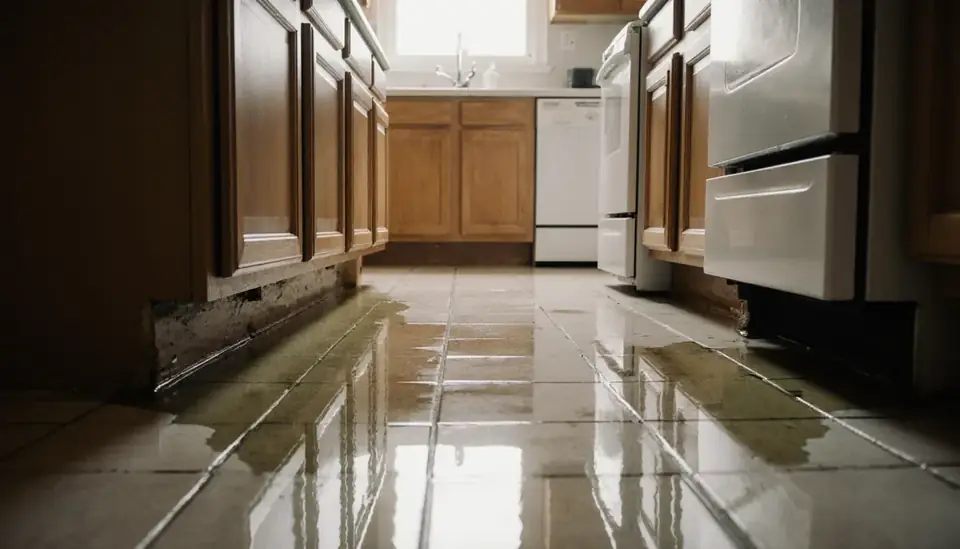
Madison Heights is the Amherst County side of the Lynchburg area, an unincorporated community of nearly 11,000 people spread over about 19 square miles where U.S. 29 turns into the Lynchburg Expressway. The community sits at roughly 750 feet on rolling ground, and many water damage calls come from inside the house: a failed water heater, a split supply line, a sump pump that quit in a thunderstorm. The James River and the creeks that feed it are a factor mainly for property on low ground.
The Restoration Job is a free referral line that does no restoration work itself. Call (888) 317-9980 at any hour and we'll connect you with an independent provider that serves Madison Heights and the rest of Amherst County.
How the call works: when you call (888) 317-9980, The Restoration Job connects you with an independent restoration provider that serves Madison Heights. That provider inspects the damage, explains the scope and quotes the work. The Restoration Job doesn't perform restoration itself. Read our referral disclosure.
Amherst County's Flood Memory: Camille and the James
In August 1969, the remnants of Hurricane Camille caused flooding and landslides across Amherst County and its neighbors, and the James crested at 26 feet at Lynchburg. In November 1985 the river went higher still, reaching 35 feet at the Lynchburg gauge. Those numbers matter for land along the river and in creek bottoms, not for homes on higher ground.
Still, flood maps are the only reliable way to know. Look up your address on Virginia's VFRIS viewer or FEMA's map center. If you are near a stream, a flood policy is worth pricing, since homeowners insurance does not cover rising water.
Hilly Lots, Basements and Where Runoff Ends Up
On sloped ground, a heavy summer storm sends water across yards and driveways toward whichever house sits lowest. Split-level homes and houses with walk-out basements are the usual victims. A few things to check before the next storm:
- Gutters and downspouts clear, with extensions carrying water several feet from the foundation.
- Soil graded away from the house on the uphill side.
- Window wells covered or fitted with drains.
- Sump pump tested, with a battery or water-powered backup.
Once water has come in, fast removal and drying keep the damage to the floor and the bottom of the walls instead of letting it spread.

Water Heaters, Washers and Other Indoor Leaks
Tank water heaters typically last about a decade, and many homes in the area have had theirs much longer. A tank that fails in a basement or utility closet can release dozens of gallons at once and keep going until someone shuts the supply valve. Washing machine hoses and the plastic lines feeding refrigerators and toilets are other frequent sources.
Learn where your main shutoff is now, before you need it. After a leak, a crew will usually extract standing water, pull baseboards to check the wall cavity and dry the space with air movers and dehumidifiers. That kind of water damage repair work goes faster and costs less when it starts the same day.
Amherst County Humidity and Below-Grade Mold
Central Virginia summers are warm and humid, and crawl spaces and basements hold that moisture. After a leak or flood, mold can start in a few days on wet drywall, carpet backing or wood framing. Look for musty smells, dark spots near the floor line and warped trim. Vapor barriers in crawl spaces, dehumidifiers in basements and prompt drying after any water event do most of the preventive work. Larger contamination should be handled through mold remediation, which removes affected materials under containment instead of just cleaning surfaces.
Areas In and Around Madison Heights
The same line also serves nearby communities such as:
- Lynchburg
- Amherst
- Timberlake
- Forest
Common Questions
Is Madison Heights in a flood zone?
Most of the community sits on higher ground, but land near the James River and along local creeks can fall inside mapped flood areas. The only way to know for a specific property is to search the address on VFRIS or the FEMA Flood Map Service Center. Remember that drainage problems can flood a basement anywhere, even outside a mapped zone.
Will a provider from Lynchburg come out to Madison Heights?
Usually. Restoration companies working in the Lynchburg area commonly cover the Amherst County side as well. When you call (888) 317-9980, give your full address and describe the problem so we can connect you with an independent provider that actually serves your location. We can't promise a specific arrival time, so ask the provider directly.
What should I do first when my water heater bursts?
Turn off the cold-water supply valve on top of the tank, then shut off power or gas to the heater. Move valuables out of the wet area and photograph the damage. Mop or vacuum shallow water if it's clean, and run fans. Carpet, pad and drywall that soaked up water for more than a day usually need professional drying or removal.