
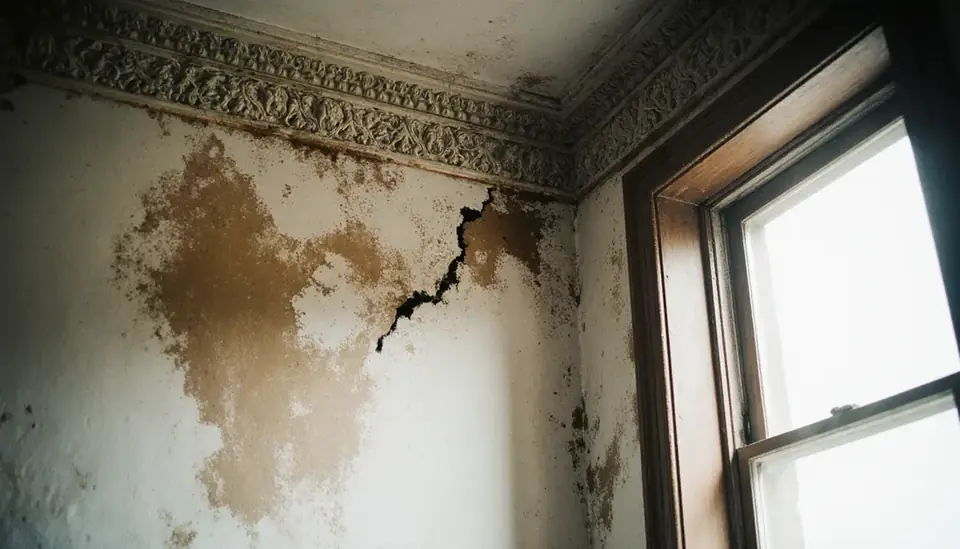
Purcellville sits in the heart of the Loudoun Valley at about 574 feet, with the Blue Ridge rising just to the west. It is a small town of about three and a half square miles, and its building stock spans more than a century. Fires in 1900 and twice in 1914 destroyed most of the early business district, so much of downtown was rebuilt in the decades that followed; the Purcellville Historic District is now on the National Register of Historic Places. Around that core are newer subdivisions and the farmland that still defines western Loudoun.
Call (888) 317-9980 any time, and The Restoration Job will put you in touch with an independent provider that handles storm damage cleanup and water leaks in Purcellville. The line is free; it connects you with a company, and that company does the work.
How the call works: when you call (888) 317-9980, The Restoration Job connects you with an independent restoration provider that serves Purcellville. That provider inspects the damage, explains the scope and quotes the work. The Restoration Job doesn't perform restoration itself. Read our referral disclosure.
Hard Freezes in the Loudoun Valley
Purcellville's record low is 15 degrees below zero, and on nights like that the air in crawl spaces, garages and exterior wall cavities can sit far colder than the thermostat reading inside. Frozen pipes are among the most common winter calls in towns like this.
- Pipes in exterior walls behind kitchen and bathroom sinks
- Supply lines running through unheated crawl spaces, garages or additions
- Outdoor hose bibs left with hoses attached
- Plumbing in older buildings with little insulation
A split pipe often does not leak until it thaws. After a deep freeze, check unheated areas as temperatures rise. If water is running, shut the main valve first, then open faucets to drain the lines.
Catoctin Creek Headwaters and Valley Storms
Purcellville sits near the top of two small watersheds. The North Fork of Catoctin Creek begins at the Purcellville Reservoir, and the South Fork, which rises near the Blue Ridge, turns toward the town before heading north to meet the North Fork near Waterford. To the south, Goose Creek forms the main drainage for the Loudoun Valley. Being near the headwaters means streams here are small, but they can rise quickly in a heavy thunderstorm, and low-lying yards, driveways and crossings can take on water fast.
Summer storms are also a wind threat. Downed trees on roofs, torn shingles and broken windows let rain into attics and upper rooms. A quick tarp over a damaged roof and photos of everything before repairs begin are the first priorities for any storm damage cleanup.
Drying Older Buildings Without Losing Their Character
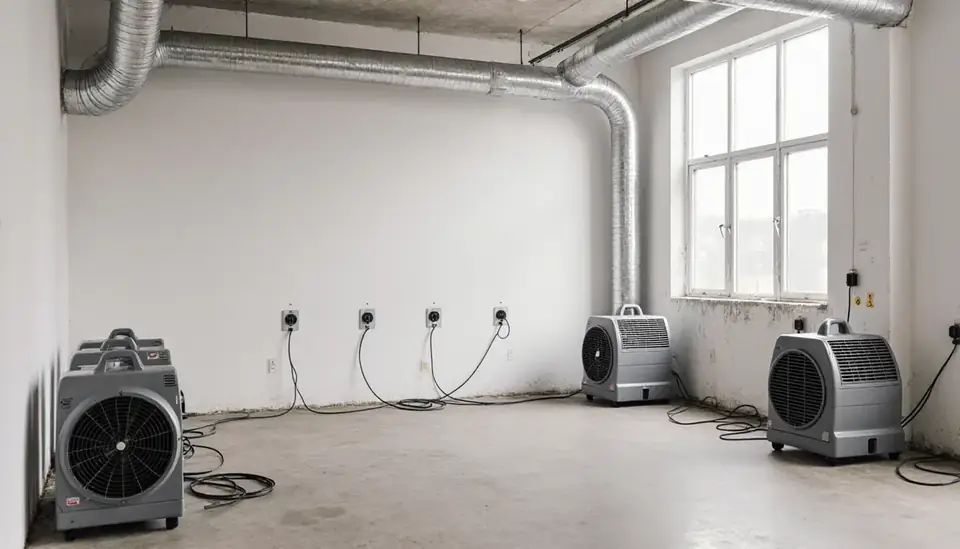
Buildings in and around the historic district can include plaster walls, old-growth wood floors, brick or stone foundations and decades of layered repairs. These materials react to water differently than modern drywall and engineered flooring. Plaster can often be dried in place where drywall would be cut out. Solid hardwood can cup as it absorbs moisture and may flatten again with slow, controlled drying. Stone and brick foundations wick moisture upward for a long time after a flood.
When choosing a provider, ask how they approach older materials and whether they plan to save or remove them. Aggressive demolition is not always necessary. Careful structural drying can preserve more of the original fabric.
Basements, Crawl Spaces and Mold
Purcellville's humid summers mean damp lower levels can grow mold within days if moisture is not removed. Crawl spaces under older homes and additions are a frequent problem because they are out of sight. A musty smell in the house, sagging insulation under the floor or condensation on ductwork are warning signs. Drying out the space, fixing the water source and improving ventilation or vapor barriers can all help. When growth has spread across joists or subfloor, mold remediation with containment keeps spores from spreading into living areas.
Early Steps Before Help Arrives in Western Loudoun
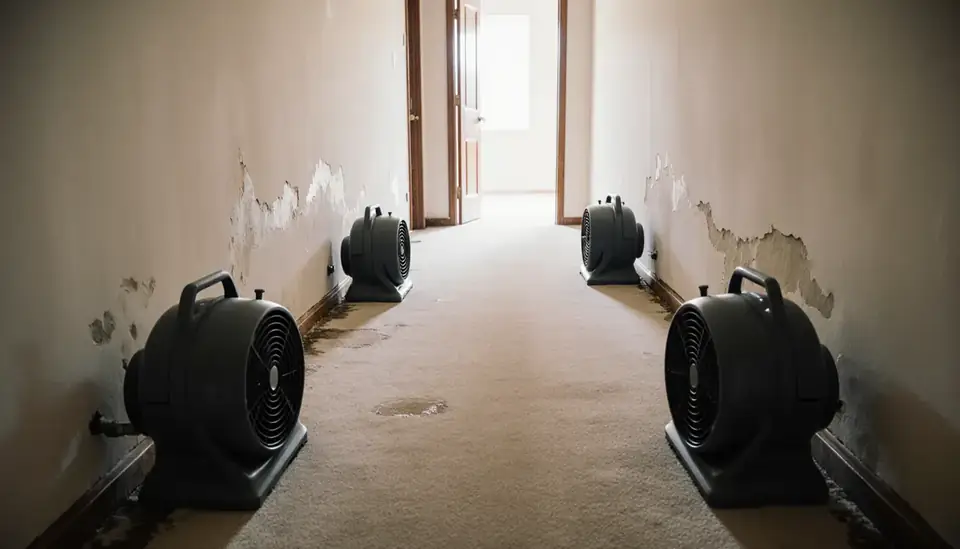
Shut off the water or the power to the affected area. Move valuables and documents to a dry place. Photograph the damage before cleanup begins, then contact your insurer. If water came from outside, note where it entered. Remove standing water as quickly as you can, but avoid using a household vacuum on it. Any water that might be contaminated, such as from floodwater or a septic or sewer backup, should be handled with gloves and boots and treated as unsafe. Leesburg and the surrounding county communities share the same weather, so a provider covering the area will be familiar with these conditions.
Neighborhoods and Nearby Communities
Calls come in from across Purcellville, including:
- Purcellville Historic District
The same line also serves nearby communities such as:
- Round Hill
- Hamilton
- Leesburg
- Lovettsville
- Middleburg
- Hillsboro
Purcellville Water Damage Questions
During a deep freeze, a line under my house split open. What comes first?
Close the main water shutoff, then turn off power to any wiring that may be wet. Open a faucet to relieve pressure. Get standing water out of the crawl space and remove wet insulation that has fallen or soaked through. A restoration provider can set up drying equipment and check joists and subflooring with meters. Ask a plumber to insulate or reroute that line so it does not freeze again.
Can plaster walls in an older Purcellville home be saved after a leak?
Often they can. Plaster on lath is more water-tolerant than drywall and can frequently be dried in place with controlled airflow and dehumidification. It may need patching where it separated from the lath. Contaminated water from floodwater or sewage changes that, since porous materials soaked by it are usually removed.
Is storm damage from a fallen tree covered by insurance?
A tree falling on your house during a storm is generally covered under standard homeowners policies, including removal of the part resting on the structure. Water entering through the resulting hole is usually covered as well, as long as you take reasonable steps like tarping to prevent more damage. Policies vary, so call your insurer early and keep photos and receipts.
Where do I find official flood and emergency information for western Loudoun?
Loudoun County's emergency management office publishes flood preparedness guidance and runs Alert Loudoun, a free notification service. For forecasts and warnings, the National Weather Service Baltimore/Washington office covers the county. FEMA's online flood maps show mapped flood hazard by address.