
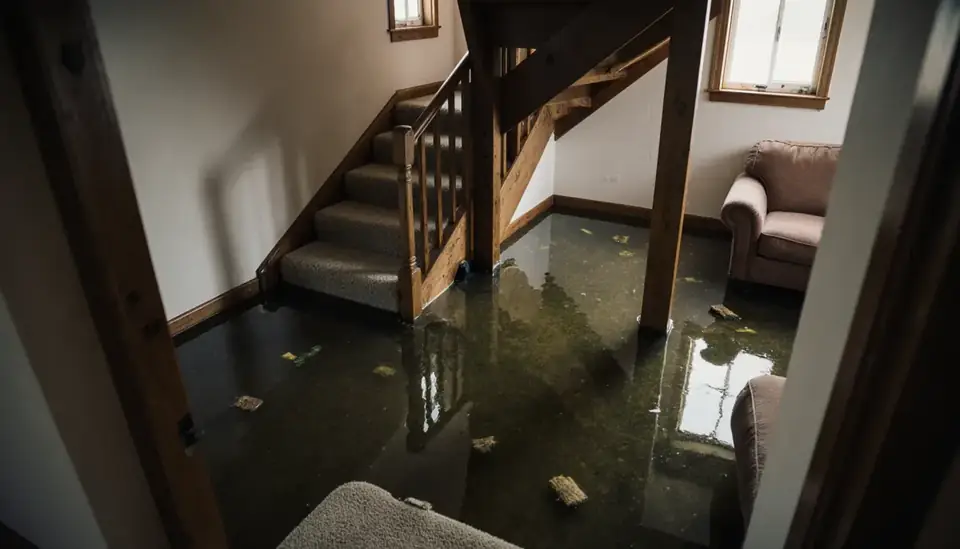
Farmville is a Southside college town built where U.S. 15, Route 45 and U.S. 460 meet near the upper reaches of the Appomattox River. The river runs right through town and even splits it between two counties: the part south of the Appomattox is in Prince Edward County and the part north of it is in Cumberland County. Riverside Park and the High Bridge Trail bring people down to the water, and the low ground beside it is where flooding risk concentrates.
The Restoration Job doesn't employ technicians; it's a free referral line. Call (888) 317-9980 any time and we'll connect you with an independent restoration provider that serves Farmville and the surrounding parts of Prince Edward and Cumberland counties.
How the call works: when you call (888) 317-9980, The Restoration Job connects you with an independent restoration provider that serves Farmville. That provider inspects the damage, explains the scope and quotes the work. The Restoration Job doesn't perform restoration itself. Read our referral disclosure.
The Upper Appomattox Runs Through Town
The Appomattox rises in Appomattox County and flows southeast across the Piedmont to Farmville before arcing toward Petersburg and the James, 157 miles in all. Near its headwaters it is a smaller river, but small rivers respond quickly to heavy rain. After a stalled summer storm or a soaking tropical system, water can climb onto low-lying lots, park land and the lowest streets near the riverbank within hours.
Most of the town stands well above the river at roughly 351 feet, and the bigger day-to-day risk is runoff and leaks. Still, anyone near the Appomattox should look up their property on the FEMA flood map. A homeowners policy does not cover rising water from the river; only a separate flood policy does, and it typically takes 30 days to go into effect.
Student Rentals Around Longwood and Hampden-Sydney
Longwood University enrolls around 5,000 students, and Hampden-Sydney College, about six miles southwest, adds roughly 1,200 more. That makes rental houses and apartments a big part of Farmville's housing, and rentals have their own water-damage patterns:
- Leaks that go unnoticed during winter and summer breaks
- Overflowing tubs and washers in shared houses
- Upstairs leaks that reach a downstairs unit before anyone reports them
- Thermostats turned too low in empty units during a freeze
Landlords can cut risk by shutting water off or keeping heat on during breaks and installing inexpensive leak sensors. Tenants should report any water immediately. The building owner usually arranges water damage restoration for the structure, while renter's insurance covers belongings.
Downtown and the Farmville Historic District
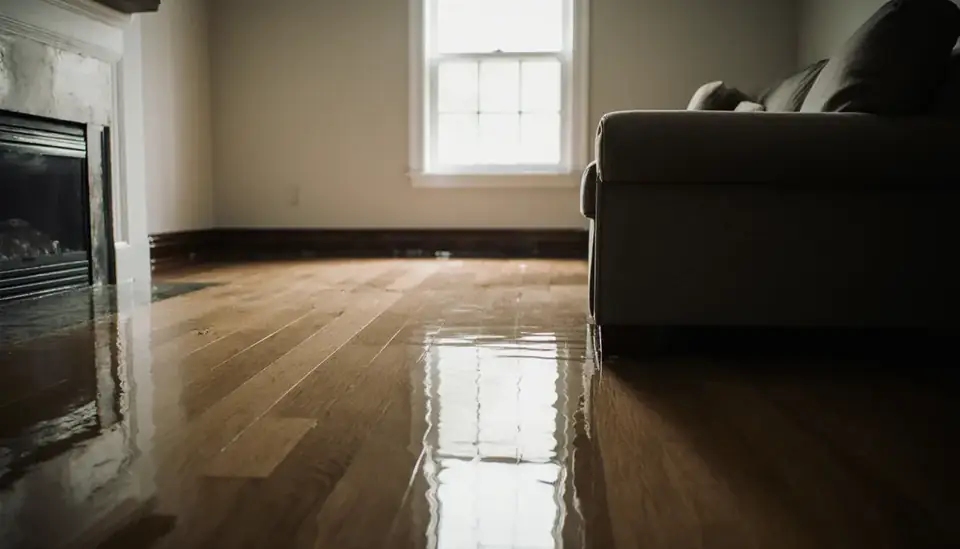
The Farmville Historic District is listed on the National Register of Historic Places, and older storefronts and houses downtown come with the usual challenges of aging buildings: roof drains and flashing that fail during heavy rain, old plumbing in walls, and cellars that collect moisture. Water entering an upper floor can travel through framing and show up well below where it started.
In older structures, ask the provider to locate wet areas with a moisture meter before removing anything. Plaster and old wood can often be dried in place, which saves original materials and limits rebuild costs.
Storm Season, Fallen Trees and Power Outages
The June 2012 derecho knocked out power to about a million Virginia customers, and at least ten people in the state died from falling trees. Farmville's tree-lined streets and wooded lots in surrounding Prince Edward County mean wind can bring limbs onto roofs, and the water damage follows with the next rain.
Once it's safe, tarp any roof openings and photograph the damage. Long outages are a separate threat: without power, sump pumps and dehumidifiers stop. A provider handling storm damage cleanup can remove wet insulation and begin drying once the building is secured.

Southside Humidity and Mold After a Leak
Farmville averages about 44.5 inches of precipitation and only around 6 inches of snow a year, with hot, humid summers. That humidity keeps crawl spaces and basements damp and slows drying after any leak. Wet drywall, carpet pad and wood can grow mold within 48 hours, especially in closed-up rental units.
Small surface spots can be cleaned and dried by an owner. Larger growth, growth inside walls or contamination from river water calls for professional mold removal with containment, and the moisture source has to be fixed so it doesn't return.
Areas In and Around Farmville
Calls come in from across Farmville, including:
- Downtown Farmville
- Farmville Historic District
- Longwood University area
The same line also serves nearby communities such as:
- Hampden Sydney
- Worsham
- Pamplin City
Common Questions
My Farmville property is on the Cumberland County side of the river. Does that change anything?
For cleanup, no; providers serving Farmville generally work on both sides of the Appomattox. For permits, flood maps and some local services, the county line matters, so note which county your parcel is in when you contact local offices. The FEMA Flood Map Service Center lets you check flood zone status by address on either side.
I'm a Longwood student and my apartment flooded. What do I do?
Move your belongings out of the water if it's safe, avoid touching electrical outlets near wet areas, and tell your landlord or property manager right away, in writing if you can. Take photos of everything that got wet. The owner is responsible for the building repairs, and your renter's insurance or a parent's homeowners policy may cover your personal items.
How fast does water damage need attention in Farmville's climate?
Within a day if possible. In humid summers, wet drywall and carpet can start growing mold in 24 to 48 hours, and water spreads into subfloors and wall cavities quickly. Shut off the source, then call (888) 317-9980 to be connected with an independent provider for extraction and drying.