
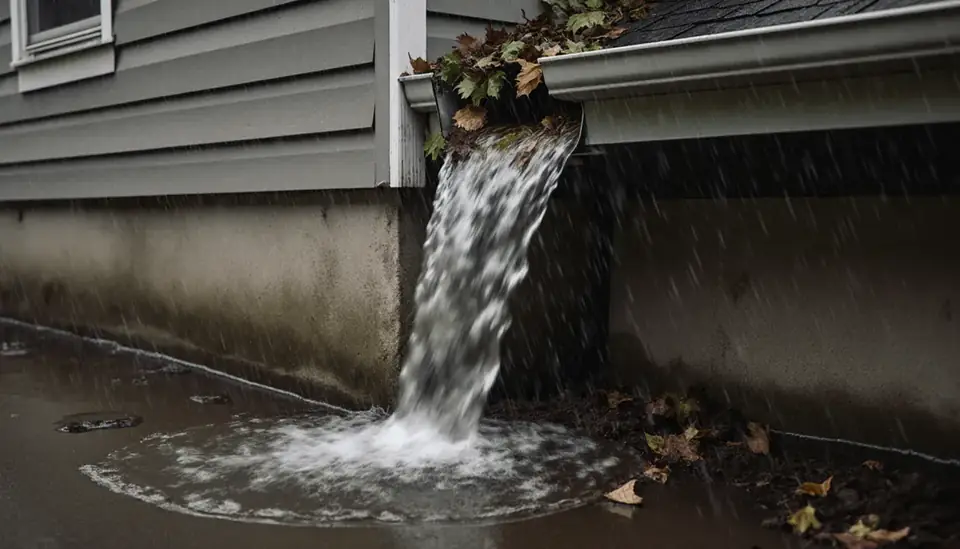
Flooding costs Washington more than any other natural disaster, according to the state Department of Ecology, and the department estimates a better than 80 percent chance of ten or more flood events in any given year. Most of that water arrives in late fall and winter, when atmospheric rivers carry warm Pacific moisture into the Olympics and Cascades and rivers from the Nooksack to the Chehalis rise fast. Inside homes, the same storms show up as roof leaks, saturated crawl spaces, seeping basements and sewer backups.
The Restoration Job is a free referral line. Call (888) 317-9980 any time and we'll connect you with an independent restoration provider that serves your part of Washington, whether you are dealing with river water in a Skagit Valley farmhouse, a burst supply line in a Seattle condo or frozen pipes in Spokane. The provider works with you directly on inspection, drying and repairs.
Atmospheric Rivers and Record River Crests West of the Cascades
Western Washington's flood record reads like a list of atmospheric rivers. The National Weather Service notes that the February 1996 flood affected 24 of 39 counties and flooded more than 2,600 homes, and that the December 2007 storms brought record flooding on the Chehalis, Skokomish, Elwha and Willapa rivers and closed Interstate 5 under about ten feet of water. In November 2021, a five-day atmospheric river produced record floods in the Nooksack and Skagit basins, and the Department of Ecology reports that floodwaters damaged about 85 percent of the homes, businesses and structures in Sumas.
December 2025 set new marks again, with record crests on the Skagit, Snohomish and Cedar rivers, roughly 100,000 people under evacuation orders and levee failures on the Green River near Kent and Auburn and on the White River in Pacific. River water that enters a home carries silt, sewage and fuel, so flood cleanup usually means removing soaked drywall, insulation and flooring rather than simply drying them.
From Puget Sound Condos to Eastern Washington Ranch Homes
- Seattle, Tacoma and the Eastside: Condos and apartment buildings see unit-to-unit leaks from supply lines, appliances and failed seals, which raises questions about whether the owner or the association handles each part of the repair. Older houses on hillsides often have basements that seep during long rain events.
- River valleys: Homes in the Skagit, Snohomish, Snoqualmie, Green, Puyallup and Chehalis floodplains face the greatest flood exposure, including areas behind levees.
- Coast and Olympic Peninsula: Wind-driven rain gets behind siding and around windows, and coastal storms add surge and erosion.
- East of the Cascades: Snowmelt, ice-jam flooding and summer flash floods matter more than long rains, and deep cold snaps split pipes in crawl spaces and exterior walls.
Damp Winters, Crawl Spaces and Mold
Long stretches of cool, cloudy, wet weather mean that wet materials in western Washington rarely dry on their own. Water that pools in a crawl space or soaks into a finished basement can stay damp for weeks, and mold can start on drywall, insulation and framing well before it is visible. After any leak, getting standing water out quickly with water extraction, then drying the structure with dehumidifiers and air movers while tracking moisture readings, is what keeps a water loss from turning into a mold remediation job. Ask the provider to show you moisture readings before walls are closed back up.
Flood Insurance, Emergency Management and Checking a Contractor
Standard homeowners policies generally exclude flooding from rivers, storm surge and overland water. Flood coverage is usually a separate policy, often through the National Flood Insurance Program, and new policies typically have a waiting period, so buying coverage after a forecast is issued may not help. Document damage with photos before cleanup and contact your insurer promptly.
The Washington Emergency Management Division, part of the Washington Military Department, coordinates statewide disaster response and recovery and posts information when assistance programs open. Before hiring anyone for repairs, the Department of Labor & Industries recommends using its contractor verification tool to confirm the contractor is registered and meets state requirements. Confirm current rules for restoration and mold work with L&I.