
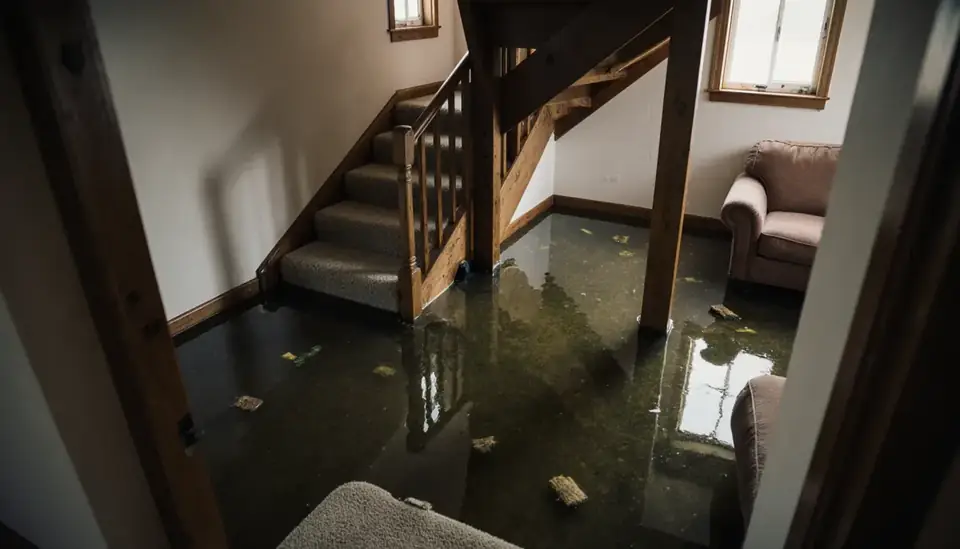
At about 810 feet, Clarkston sits far lower and warmer than the rest of eastern Washington, tucked into the Lewis-Clark Valley where the Clearwater River joins the Snake and Lewiston, Idaho, faces it across the water. The valley is dry, with roughly 12 inches of precipitation a year measured across the river in Lewiston, and summers are hot; Clarkston's official record is 118 degrees, set in August 2018. Water damage here tends to come in sudden bursts rather than long wet seasons: a summer thunderstorm that overwhelms storm drains, a windstorm that strips a roof, or a plumbing failure during a cold snap.
The Restoration Job is a free call-connection service; it does not do restoration work. Call (888) 317-9980 any time and we'll connect you with an independent restoration provider that serves Clarkston, Asotin and the surrounding valley.
How the call works: when you call (888) 317-9980, The Restoration Job connects you with an independent restoration provider that serves Clarkston. That provider inspects the damage, explains the scope and quotes the work. The Restoration Job doesn't perform restoration itself. Read our referral disclosure.
Thunderstorm Cloudbursts and Popping Manhole Covers
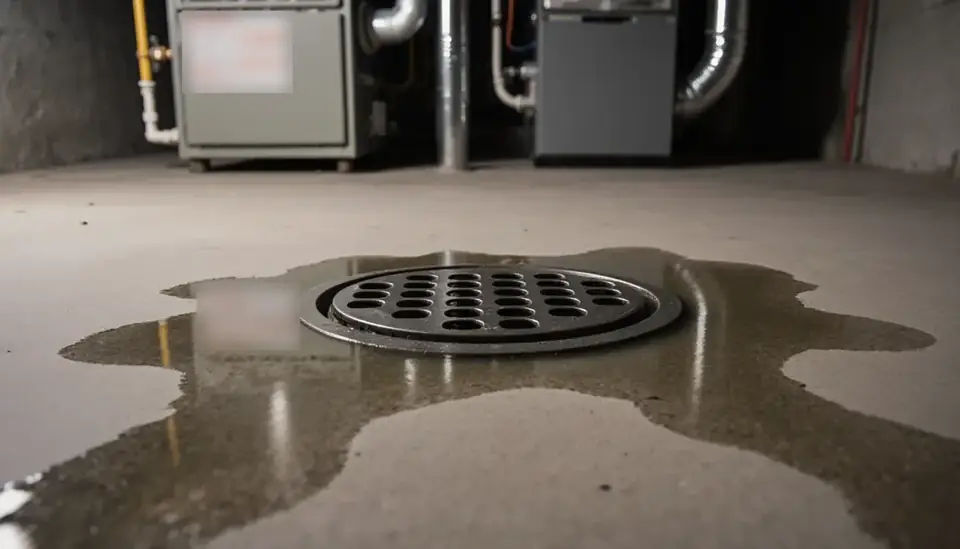
The Weather Service's records for the valley include several short, intense storms. On June 26, 2013, a storm caused significant urban flooding in both Lewiston and Clarkston. On June 27, 2019, strong thunderstorms in the Clarkston and Lewiston area pushed so much water into the drainage system that manhole covers blew off, and the same storms brought down trees and power lines. Across the river in 2010, more than half an inch of rain fell in 11 minutes and sent water 4 to 5 inches deep down city streets.
When storm and sewer lines surcharge like that, water can come up through basement floor drains and low plumbing fixtures. Treat any backup as sewage: keep children and pets away, avoid contact, and expect a sewage cleanup provider to remove contaminated carpet, pad and drywall rather than drying them in place.
The Snake River, Levees and Asotin Creek
Since Lower Granite Dam was finished downstream in 1975, its reservoir has backed slack water up to the valley, and levees along much of the Snake, most of them maintained by the U.S. Army Corps of Engineers, guard against high flows. For most Clarkston homes, the river is not the day-to-day flood risk it once was. That said, levees reduce risk rather than remove it, and flood insurance is a separate policy from homeowners coverage. The FEMA Flood Map Service Center shows how a given address is mapped.
Just south, Asotin Creek can be more of a hazard. Its record crest at Asotin came on January 1, 1997, when the Weather Service notes the creek leaves its banks, covers Asotin Creek Road and floods basements in some nearby homes. February 1996 and June 2022 also brought high water.
Wind Over the Valley Rim
Damaging wind is part of the valley record too. During a November 2010 storm, part of the Clarkston High School roof was blown off, and an earlier wind event that month closed schools in Clarkston and Lewiston because of power outages. On November 17, 2015, Lewiston recorded a 64 mph gust. Roof damage from wind often turns into water damage the next time it rains, so check attics and ceilings after any big storm.
- Look for missing shingles or lifted metal panels and damaged flashing.
- Check insulation for damp spots or staining.
- Tarp openings promptly and photograph the damage for insurance.
Hot Summers, Cooling Systems and Plumbing Leaks
Long, hot summers mean air conditioners run for months, and their condensate lines, drain pans and attic-mounted units are a frequent source of ceiling stains and wet drywall. A clogged condensate drain can overflow quietly for days. Water heaters, refrigerator ice-maker lines and washing machine hoses fail here as they do anywhere. The valley also gets the occasional hard freeze, so pipes in exterior walls and crawl spaces still need protection in winter.
A restoration provider will usually find the source, extract water, map moisture with meters and thermal imaging, and set drying equipment. You can read more about that on our water damage repair page.
Mold in a Hot, Dry Valley
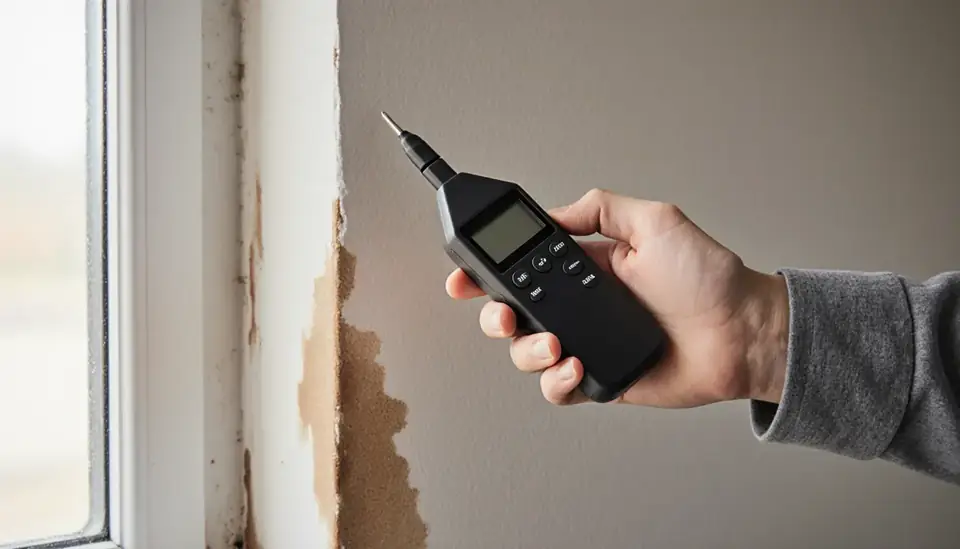
Low humidity outdoors does not prevent mold inside a wet wall, a crawl space or the cabinet base under a leaking sink. Summer heat can actually speed growth once materials are wet. The practical rule holds: get water out and materials dry within a day or two, and address any musty smell or visible growth after a leak before closing walls back up.
Where Callers in the Clarkston Area Are
The same line also serves nearby communities such as:
- Lewiston
- Asotin
- Clarkston Heights-Vineland
- West Clarkston-Highland
- Pullman
Frequently Asked Questions
Do the Snake River levees mean I don't need flood insurance in Clarkston?
Not necessarily. Levees lower the chance of river flooding but do not eliminate it, and standard homeowners policies still exclude flood. Check how your address is mapped on the FEMA Flood Map Service Center and talk with your agent. Also remember that much local water damage comes from storm drains, sewer backups and plumbing, which flood policies may not cover either.
Water came up my floor drain during a thunderstorm. What should I do?
Treat it as sewage. Stay out of the water, keep children and pets away, and turn off power to the area if outlets or cords are near it. Do not run household fans, which can spread contamination. Photograph the damage and check whether your homeowners policy includes sewer backup coverage, which is often an add-on.
My air conditioner is dripping through the ceiling. Is that serious?
It can be. A clogged condensate line or cracked drain pan can soak attic insulation and drywall for days before a stain appears. Shut the system off, check the pan and line, and dry the wet area. If drywall is sagging or the stain is large, have someone check moisture levels inside the ceiling.