
Drive west out of downtown Spokane on U.S. Route 2 and you climb more than 500 feet onto the open plateau where Airway Heights sits, at about 2,380 feet, between Spokane International Airport and Fairchild Air Force Base. Many of the weather records quoted for Spokane are taken at that airport, right next door, so the numbers describe this city's conditions closely: about 46 inches of snow a year, a record low of 30 below zero, and some of the strongest wind gusts the region has measured.
Those conditions are behind most local damage calls, from roof sections lifted in a windstorm to pipes that freeze when the power goes out. The Restoration Job is a referral line only; we don't send workers or perform repairs. Call (888) 317-9980, any time, to be connected with an independent restoration provider that serves Airway Heights.
How the call works: when you call (888) 317-9980, The Restoration Job connects you with an independent restoration provider that serves Airway Heights. That provider inspects the damage, explains the scope and quotes the work. The Restoration Job doesn't perform restoration itself. Read our referral disclosure.
Open Plateau, Airport Wind Records
With little terrain to break it, wind across the plateau around Airway Heights can be strong. On November 17, 2015, Spokane International Airport recorded a gust of 71 mph, the highest the Weather Service had measured there in late fall or winter since record keeping began in 1949, and the storm caused widespread damage in eastern Washington and north Idaho. A March 15, 2009 storm produced a 66 mph gust at the airport and cut power to more than 6,700 customers.
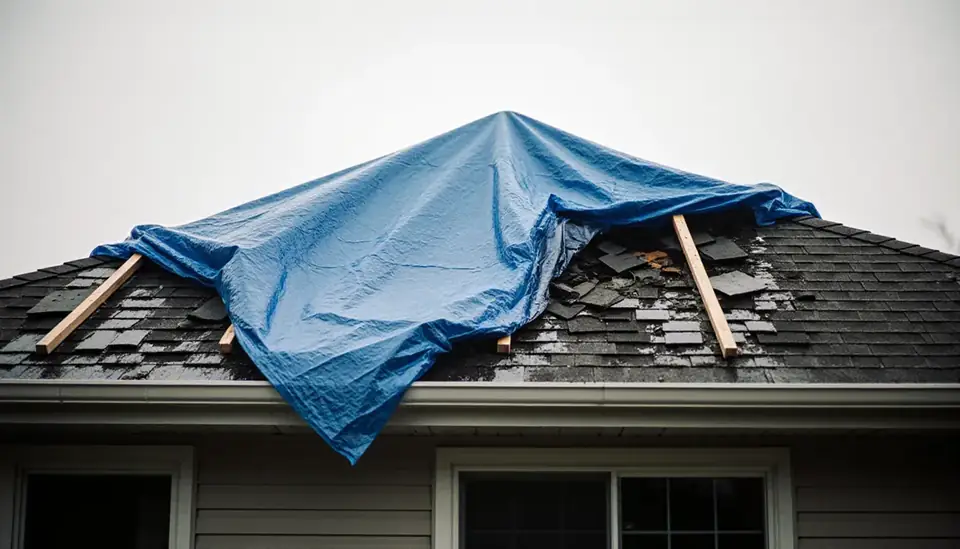
Wind damage becomes water damage when shingles, flashing or roof vents come loose and the next rain or snowmelt gets in. After a windstorm:
- Walk the property and look for missing shingles, lifted ridge caps and dented vents.
- Check the attic for daylight, wet insulation or dripping nail tips.
- Cover any opening with a tarp once it is safe to do so, and photograph the damage first.
A storm damage cleanup provider can dry the attic and ceilings while a roofer handles the permanent repair.
Outages, Cold Snaps and Frozen Supply Lines
A windstorm in winter adds a second risk. When power stays off for hours during a cold snap, an unheated house cools quickly, and pipes in exterior walls, crawl spaces and garages can freeze. In early January 2004, extreme cold across the region caused numerous outages and burst pipes. Most frozen lines leak only after they thaw, so if heat has been off, have someone ready at the main shutoff when it comes back.
Simple precautions go a long way here: insulate pipes in crawl spaces and garages, seal gaps where cold air reaches plumbing, and drain exterior faucets in the fall. If you lose power for a long period in a deep freeze, shutting off the water and opening faucets to drain the lines can prevent a burst.

Heavy Snow on Flat and Low-Slope Roofs
Airway Heights has a large share of big commercial and institutional buildings for its size, including Northern Quest Resort & Casino, the Spokane Tribe Casino and the Airway Heights Corrections Center. Flat and low-slope roofs on buildings like these, and on carports, shops and apartment buildings, are the most exposed when snow piles up. During the December 2008 storm the airport recorded 19.4 inches of snow in 24 hours, and by mid-January 2009 the Weather Service had tallied about 50 roof collapses in Spokane County.
Snow load problems often show up first as leaks: ponded meltwater finds a seam or drain that is iced over. Clearing roof drains and scuppers, and removing snow safely before it reaches design limits, is cheaper than drying out a building after a failure.
Drying a Building on the Plateau
When water gets in, a restoration provider will typically extract standing water, use moisture meters and thermal imaging to see how far it spread, remove materials that will not dry well, and then set dehumidifiers and air movers. For a sense of the first step, see our water extraction page. Winter jobs often need added heat, because cold framing releases moisture slowly.
The local air is dry for much of the year, with only about 16.5 inches of precipitation annually, but that does not reach inside a closed wall or under a vinyl floor. Wet drywall, insulation or subfloor left more than a day or two can start to grow mold, so a slow leak deserves prompt attention even here.
Neighborhoods and Nearby Communities
The same line also serves nearby communities such as:
- Spokane
- Cheney
- Medical Lake
- Spokane Valley
- Nine Mile Falls
Common Questions
Does Airway Heights get the same weather as the Spokane airport?
Very nearly. Spokane International Airport borders the city, and the Weather Service cites it for many of the region's records. That means the airport's snowfall, cold and wind numbers, including the 71 mph gust in November 2015, are a good guide to what homes and businesses in Airway Heights experience.
A windstorm damaged my roof. Should I call a roofer or a restoration company first?
If water is already coming in, start with a temporary cover and water removal, because that limits the damage your insurer will expect you to prevent. Many roofers and restoration providers can tarp a roof. The restoration provider dries ceilings, insulation and walls; the roofer makes the permanent repair. Photograph everything before work begins.
How should I protect a vacant rental or second home in Airway Heights over winter?
Keep the heat on at a moderate setting, shut off the main water supply if nobody will be there, and drain lines if the home will sit empty through a hard freeze. Arrange for regular checks, especially after storms and power outages. Many policies limit coverage for freeze damage in vacant homes, so read the vacancy terms.