
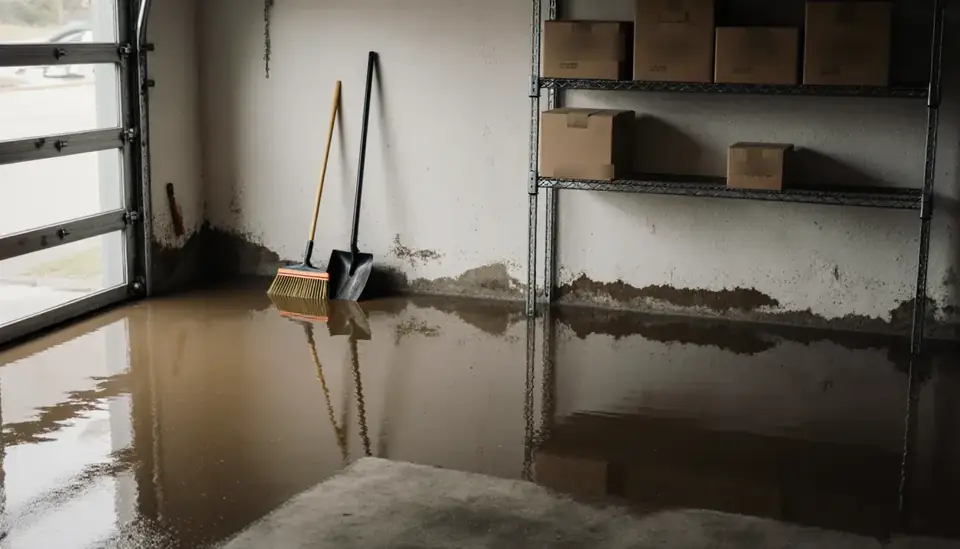
Three streams meet in downtown Pullman. Missouri Flat Creek and Paradise Creek both run into the South Fork of the Palouse River here, and the river then cuts through the low ground between College, Military, Pioneer and Sunnyside hills. On most days it is a small stream. During a late-winter thaw with rain on top of snow, it can put water several feet deep on Main Street, which is what happened in February 1996.
Pullman also has a large rental market built around Washington State University, steep streets that funnel runoff, and wind exposure on the open Palouse. The Restoration Job is a free referral service and does not perform any work. Call (888) 317-9980, 24 hours a day, and we'll connect you with an independent restoration provider that serves Pullman and Whitman County.
How the call works: when you call (888) 317-9980, The Restoration Job connects you with an independent restoration provider that serves Pullman. That provider inspects the damage, explains the scope and quotes the work. The Restoration Job doesn't perform restoration itself. Read our referral disclosure.
What the South Fork Palouse Gauge Means Downtown
The National Weather Service gauge on the South Fork Palouse River at Pullman comes with detailed impact notes:
- 4.5 feet: minor flooding along the shoreline at Riverfront Park downtown.
- 7 feet (flood stage): minor flooding in residential and business areas along the river, with ponding on Grand Avenue.
- 9 feet: water several feet deep on Main Street and major flooding of homes, businesses and roads, comparable to February 1996.
- 10 feet: severe flooding from Pullman downstream to Hooper.
The record is 11.8 feet on March 1, 1910. Since then the river has topped 9 feet in 1948, 1972 and February 9, 1996, reached 8.83 feet on New Year's Day 1997, and hit 8.82 feet on March 14, 2026. Almost every major crest has come between January and March, when warm rain lands on Palouse snowpack and frozen soil.
After River Water Comes Inside
Floodwater from the Palouse carries field soil, road runoff and often sewage, so the first rule is to stay out of it until power to the affected area is off. Once it recedes, mud and silt need to be shoveled and washed out before drying can begin. Drywall and insulation that were under water are almost always cut out, and hard surfaces are cleaned and disinfected. A provider handling flood cleanup will typically document water lines and damaged materials as they go, which helps with a flood insurance claim.
Standard homeowners and renters policies generally exclude river flooding. Coverage for that comes from a separate flood policy, and new policies usually have a waiting period, so the time to buy one is well before the February thaw. Check your address on the FEMA Flood Map Service Center to see whether it sits in a mapped flood zone.
College Hill Rentals and Shared Buildings
WSU's Pullman campus enrolls more than 16,000 students, and between a quarter and a third of undergraduates belong to fraternities or sororities. That means a lot of apartments, older converted houses and large chapter houses where one leak can affect many people. A burst supply line on a third floor, an overflowing tub or a failed washing machine can soak several units below.
In shared buildings, the owner or property manager usually controls repairs and the building's insurance, while each tenant's belongings depend on their own renters policy. Report leaks right away, in writing, and take photos of your belongings. Units left cold over winter break are a familiar source of frozen and burst pipes when students return in January.
Palouse Wind and Rooftop Damage
Pullman sits high and exposed on the rolling Palouse, and it has measured some of the strongest gusts in the region: 85 mph during the November 2010 wind event and again on November 17, 2015. During a storm in late November 2010, shingles were blown off homes and a tree fell onto part of a house, wrecking a car, boat, trailer and golf cart stored there. Lost shingles and torn flashing let the next rain or snowmelt into attics and ceilings. Covering openings quickly, then drying insulation and drywall, keeps a roof repair from becoming a larger water damage restoration job.

Hillside Runoff, Basements and Mold
With about 20 inches of precipitation and 33 inches of snow a year, Pullman is wetter than much of eastern Washington, and its hills send meltwater downhill toward basements and lower-level apartments. In February 1999, heavy rain and snowmelt flooded basements, businesses and roads across Whitman County. Gutters, downspout extensions and grading that sends water away from foundations matter on these slopes.
Basements that take on water and stay damp can grow mold behind finished walls and under carpet within a couple of days. Fast extraction, removal of wet pad and drywall where needed, and dehumidification until moisture readings are normal are the practical defenses.
Where Callers in the Pullman Area Are
Calls come in from across Pullman, including:
- College Hill
- Military Hill
- Pioneer Hill
- Sunnyside Hill
- Downtown Pullman
The same line also serves nearby communities such as:
- Moscow
- Colfax
- Colton
- Palouse
- Clarkston
Questions From Pullman Property Owners
When is flood season in Pullman?
Nearly all of the South Fork Palouse River's big crests have come from January through March, when rain falls on snow and frozen ground. The record of 11.8 feet came on March 1, 1910, and recent high marks include February 1996, January 1997 and March 2026. The Weather Service gauge at Pullman is the place to watch rises as they happen.
I rent near campus and my unit flooded. Who pays for what?
Usually the property owner handles the building, including drying and repairing walls, floors and fixtures, through their own insurance. Your renters policy, if you have one, generally covers your belongings and sometimes temporary housing. River flooding is a different matter, since most renters and homeowners policies exclude it. Report the water to your landlord in writing and photograph everything.
Does the City of Pullman help with drainage problems?
The city's Stormwater Services program manages the public storm drain system and investigates drainage and water quality problems, and it can be reached at 509-338-3220. Water entering a home from a private yard, gutter or foundation is generally the owner's to fix, but reporting a clogged or overwhelmed street drain can help prevent repeat flooding.