

Des Moines faces west across Puget Sound, and its land slopes down to the water from roughly 400 feet inland. Des Moines Creek and Massey Creek have cut deep ravines into that slope, and Saltwater State Park sits in another steep ravine between the Zenith and Woodmont neighborhoods. Living on a hillside facing open water brings fine views and a particular set of water problems: wind-driven rain on the exposed side of the house, runoff moving downhill through yards, and damp soil around foundations through the long wet season.
Call (888) 317-9980, a free line that answers at any hour. The Restoration Job connects you with an independent restoration provider that serves Des Moines, and the provider works out inspection, drying and repairs with you directly.
How the call works: when you call (888) 317-9980, The Restoration Job connects you with an independent restoration provider that serves Des Moines. That provider inspects the damage, explains the scope and quotes the work. The Restoration Job doesn't perform restoration itself. Read our referral disclosure.
Weather Coming Straight Off the Sound
Winter storms reach this stretch of shoreline over open water, and west-facing homes take the brunt. The December 2006 Hanukkah Eve windstorm sent 69 mph gusts across the nearby airport station and caused about $1 billion in damage regionwide. On December 12, 1969, an F3 tornado touched down near Saltwater State Park, a reminder that severe wind is not unheard of here.
Wind-driven rain gets in where regular rain does not: around window frames, under siding laps, through deck ledger connections and at roof edges. The resulting leaks often show up days later as stains or soft drywall on the weather side of the house. Storm damage cleanup covers both the obvious damage, such as a tree limb through a roof, and this slower intrusion that needs walls opened and dried.
Ravines, Creeks and Downhill Runoff
Des Moines Creek flows down from the SeaTac area toward the Sound, and Massey Creek carves its own ravine nearby. Homes near the rim of a ravine or on the downhill side of a street can collect runoff during long rains. Washington's Department of Ecology lists coastal erosion and bluff landslides among the shoreline hazards it works on statewide, and steep, saturated ground is part of that picture.
- Keep catch basins and driveway drains clear of leaves in fall.
- Extend downspouts so roof water lands well away from the foundation.
- Watch for new cracks in walls, sticking doors, or soil movement near slopes, and have a professional look at them.
- If water is entering a lower level, document it and start drying quickly.

Older Houses, Newer Repairs
Des Moines incorporated in 1959 and later expanded, annexing the Zenith area, a farming community founded in 1906, in 1982. Housing reflects that history, with many neighborhoods built over several decades. Wherever a house falls on that timeline, the common interior culprits are similar: corroded supply lines, failing water heaters, leaking toilet seals and dishwasher connections. Prompt water damage repair after a provider has dried the structure prevents the musty smells and buckled flooring that follow a patched-over leak.
Getting Through the First Day After a Leak
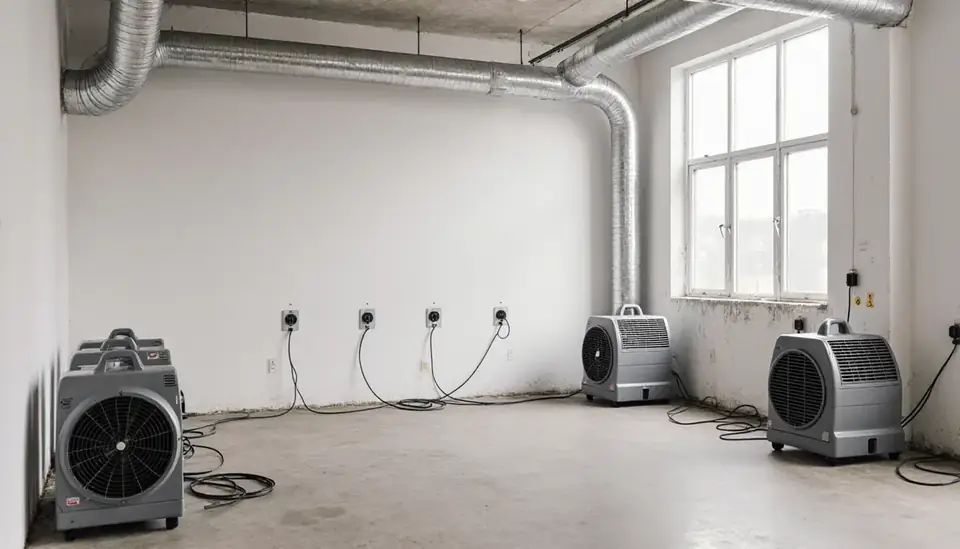
Shut off the water at the main valve, and switch off power to rooms with standing water if you can reach the panel safely. Move rugs, furniture and electronics out of wet areas. Take photos and video of everything before cleanup. Then call your insurer and arrange for a provider to extract water and set up drying equipment. Most standard homeowners policies cover sudden pipe and appliance leaks but exclude flooding or surface water from outside, which typically needs a separate flood policy.
Marine Air and Mold
Salt air and months of drizzle keep humidity high near the water from fall into spring. That slows drying of anything that gets wet indoors, and mold can begin colonizing damp drywall, wood and carpet within a day or two. A short spill dried with fans may be fine, but water that soaked into walls or under flooring should be checked with a moisture meter. If growth is visible across a sizable area, or the smell returns after cleaning, remediation with containment is the safer approach.
Areas In and Around Des Moines
Calls come in from across Des Moines, including:
- Redondo
- Zenith
- Woodmont
The same line also serves nearby communities such as:
Common Questions
Leaks only appear on the west side of our Des Moines house after storms. Why?
The side facing Puget Sound takes the heaviest wind-driven rain during winter storms. Water can be pushed past window flashing, siding laps and door thresholds that stay dry in calm weather. Stains may show up days later. A restoration provider can check moisture inside the wall, and a roofer or siding contractor can find and seal the entry point.
We back onto a ravine near Massey Creek. What should we watch for in winter?
Look for water pooling near the foundation, wet spots in a lower level, and changes on the slope such as new cracks, tilting fences or seeping ground. Keep drains clear and route downspouts away from the slope edge. Slope concerns belong with a geotechnical professional. If water is already inside, call (888) 317-9980 to be connected with a provider for drying.
Is a leak from a neighbor's condo unit above mine my problem or theirs?
It depends on where the leak started and on the association's governing documents and insurance. The association's master policy typically covers some building elements, while each owner's policy covers their own unit and contents. Notify management or the HOA immediately, document the damage in your unit, and contact your insurer. Drying should start right away regardless of who ends up paying.