
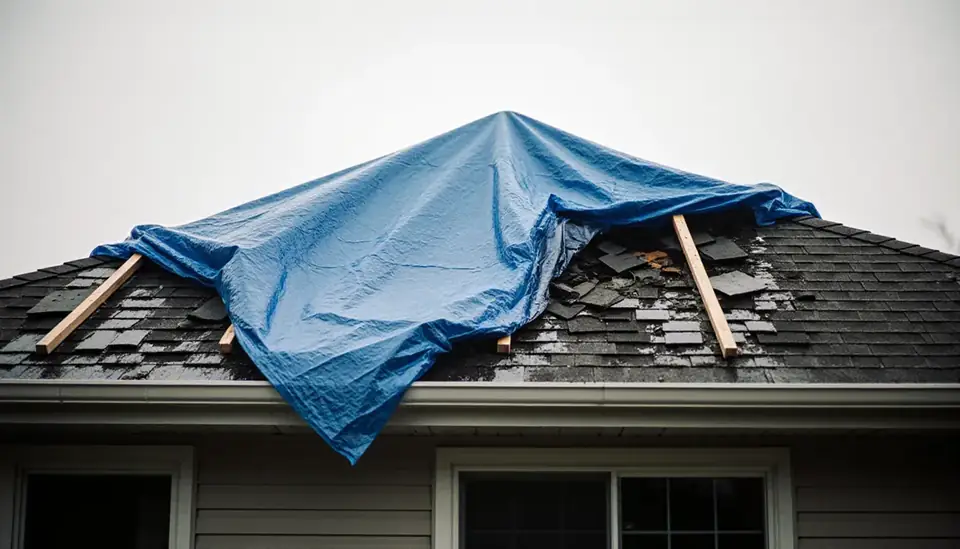
Burien has five and a half miles of Puget Sound shoreline, and much of the city falls toward that water in a series of slopes, bluffs and ravines. The city's own emergency management office lists strong windstorms as an almost yearly event and identifies several neighborhoods as landslide critical areas. Those two hazards, more than river flooding, drive many of the water damage calls in this part of south King County: roofs opened by falling trees, and hillside homes where groundwater and runoff keep finding the lower level.
Call (888) 317-9980 around the clock for a free referral. The Restoration Job is not a contractor; we connect you with an independent restoration provider that covers Burien, and that business handles the assessment and work directly with you.
How the call works: when you call (888) 317-9980, The Restoration Job connects you with an independent restoration provider that serves Burien. That provider inspects the damage, explains the scope and quotes the work. The Restoration Job doesn't perform restoration itself. Read our referral disclosure.
Windstorm Season Along the Sound
According to the city, strong wind storms hit Burien almost every year, bringing down trees and knocking out power. Snow and ice events add to the list. The usual damage pattern is a limb or trunk through the roof, followed by rain pouring into the attic, insulation and ceilings below. Shingles stripped from the windward side of a house can also let water in slowly over the following weeks.
- Stay clear of downed lines and any part of the structure that looks unstable.
- Once it is safe, photograph the roof and every affected room before anything is moved.
- Get a tarp on the opening as soon as possible. Every hour of rain adds wet material.
- Pull soaked insulation and ceiling drywall promptly; they hold water against framing.
A provider handling storm damage cleanup can tarp, remove debris and begin drying while your insurance claim gets started.
Steep Slopes, Seeps and Hillside Lower Levels
Burien's emergency management page points to springs, seeps and saturated ground as warning signs of landslide movement, and notes that an earthquake could trigger slides as well. Those same conditions affect houses that are not in any danger of sliding. A daylight basement cut into a slope sits against soil that can stay wet from October into spring, and water pushes through foundation cracks, cold joints and window wells.
When water is already on the floor, extraction comes first, followed by drying walls and slab. A provider offering water extraction can remove standing water and wet carpet quickly. Longer term, a drainage contractor or geotechnical engineer is the right person to assess why water keeps arriving, especially if you also notice new cracks, sticking doors or tilting retaining walls. Those signs should be reported to the city or a professional rather than patched over.

From Three Tree Point to Olde Burien
Housing here ranges widely. Waterfront and view homes near Three Tree Point, where early twentieth-century visitors arrived by Mosquito Fleet steamer, sit close to the shoreline and face salt air and wind-driven rain. Around Olde Burien, the historic core near SW 152nd Street west of Ambaum Boulevard that early settlers called Sunnydale, older houses may still have aging supply lines and drains. The 2010 annexation of part of North Highline added roughly 14,300 residents and another broad mix of homes. Each brings its own issues, but the core steps after a leak are the same: stop the water, document it, and get drying underway.
Drainage, Ditches and the City Storm System
The City of Burien keeps an online map showing approximate locations of public and private storm drains, pipes and ditches, along with topography. If water pools at your property line or a ditch overflows toward your house during heavy rain, that map is a good starting point for figuring out where the water is meant to go and who maintains the pipe. The city's season for flooding runs roughly October through May. Homeowners policies often exclude surface water and flood, so check your coverage, and look up your address on FEMA's flood maps if you are near the shoreline or a creek.

Mold After a Slow Winter Leak
Damp marine air and months of rain mean small leaks rarely dry on their own. A roof drip that goes unnoticed in an attic, or a basement wall that weeps all winter, can support mold on wood, drywall paper and carpet backing. A musty smell is usually the first clue. Removing wet materials quickly and running dehumidification prevents most problems; if growth has already spread, mold remediation with containment keeps spores from moving into the rest of the house.
Burien Neighborhoods and Surrounding Towns
Calls come in from across Burien, including:
- Olde Burien
- Three Tree Point
The same line also serves nearby communities such as:
- Normandy Park
- SeaTac
- Tukwila
- Des Moines
- White Center
- Seattle
Questions From Burien Property Owners
A tree came through my roof in a Burien windstorm. What happens first?
Safety comes first: stay away from downed power lines and damaged parts of the house. Then document the damage with photos, notify your insurer, and get the opening covered. A tree removal service may be needed before the roof can be tarped. Call (888) 317-9980 and we can connect you with an independent provider for tarping, water removal and drying.
My daylight basement on a slope leaks every winter. Is that a landslide sign?
Not always. Water seeping through a hillside foundation is common in wet months. But the city lists springs, seeps and saturated ground among landslide warning signs, so pay attention to new cracks, doors that stick, or soil movement outside. If you see those, contact a geotechnical professional or the city. A restoration provider can dry the basement, but not diagnose slope stability.
Where can I find out where storm water from my street is supposed to drain?
The City of Burien publishes an online stormwater map that shows the approximate locations of public and private storm drains, pipes and ditches along with topography. It helps identify whether a blocked pipe or ditch near you is the city's responsibility or a private one. The city's stormwater pages also have a tool for finding which watershed your property is in.