

On December 14, 2025, the Desimone levee on the Green River gave way, and evacuation orders went out for parts of Kent, Auburn and Tukwila lying between the river and State Route 181. More than 46,000 people were inside that evacuation zone. The breach came during an atmospheric river that ran from December 8 to 19 and ranked among the strongest and longest-lasting the Puget Sound region has seen. For a city that grew up where the Green River becomes the Duwamish, it was a sharp reminder of how much depends on the river staying in its channel.
Call (888) 317-9980 any hour. The Restoration Job is a free referral service that connects homeowners and businesses with an independent restoration provider serving Tukwila. That provider evaluates the damage and coordinates the work with you directly.
How the call works: when you call (888) 317-9980, The Restoration Job connects you with an independent restoration provider that serves Tukwila. That provider inspects the damage, explains the scope and quotes the work. The Restoration Job doesn't perform restoration itself. Read our referral disclosure.
Living Behind Levees on the Lower Green
King County describes the Lower Green-Duwamish as a significant flood hazard to Auburn, Kent, Renton and Tukwila, with risk to residential, commercial and industrial areas. The county maintains about 28 miles of levees and revetments in the watershed, and the U.S. Army Corps of Engineers' Howard A. Hanson Dam upstream has helped hold back floodwater since 1962. Those systems work most of the time, which is exactly why a breach is so disruptive: people and businesses behind the levees rarely see water, and many do not carry flood insurance.
The county's flood warning system tracks the Green River and issues alerts by phase. Its floodplain maps show floodways, 100-year and 500-year zones, and levee-protected areas. If you live or run a business in the valley, it is worth looking up your parcel, because "protected by a levee" is not the same as "outside the floodplain."
Green River Water Inside a Home or Shop
Green River floodwater carries mud, farm and road runoff, and sometimes sewage. That makes flood cleanup a sanitation job as much as a drying job.
- Wait for officials to clear the area before going back in, and keep power off to flooded circuits.
- Document water lines, damaged inventory and equipment with photos and video.
- Plan on removing wet drywall, insulation, carpet and pad that the water touched.
- Shovel and wash out silt before setting up drying equipment.
- Throw out food, medicine and cosmetics that contacted floodwater.
Rising-water damage is generally excluded from standard property policies, so flood coverage is a separate question to raise with your agent before the next wet season.
Warehouses, Retail and Data Centers
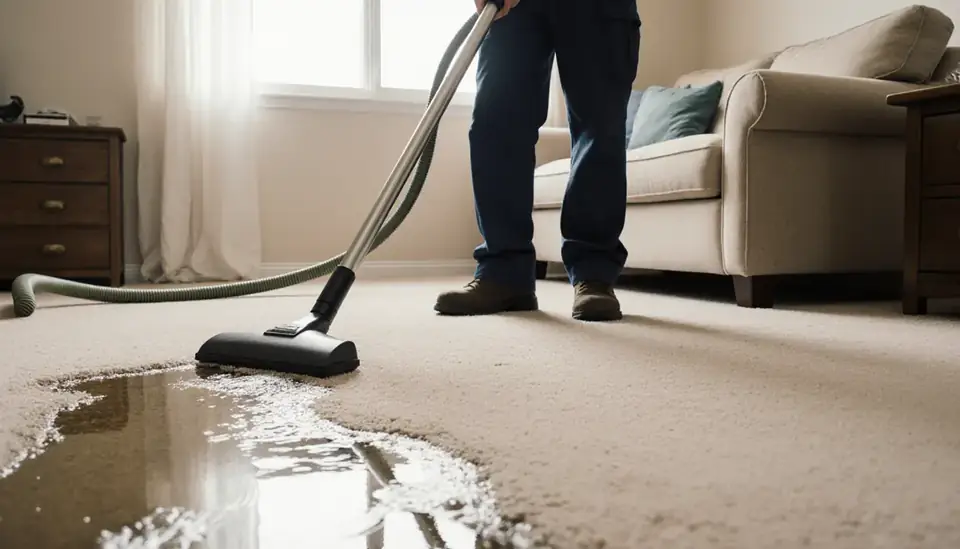
Commerce shapes much of the city. Westfield Southcenter, Puget Sound's largest shopping complex, sits here along with Boeing facilities, corporate data centers and blocks of warehouse and industrial space. Water losses in these buildings are often about the source rather than the river: a fire sprinkler line that fails, a roof drain that backs up across a flat roof, or a supply line that breaks over a weekend. Fast water extraction limits damage to inventory and slab-on-grade flooring, and moisture mapping helps a business decide what can reopen first.
Hillside Neighborhoods Above the Valley
The city spans both the valley floor and higher ground toward SeaTac, a rise reflected in neighborhood names like Tukwila Hill, Ryan Hill and McMicken Heights. Homes on higher ground deal more with roof leaks, plumbing failures and runoff from slopes than with river water. River-adjacent homes face both. Whatever the source, the steps are similar: stop the water, document it, extract what is standing, and dry the structure before rebuilding.
Moisture, Silt and Mold
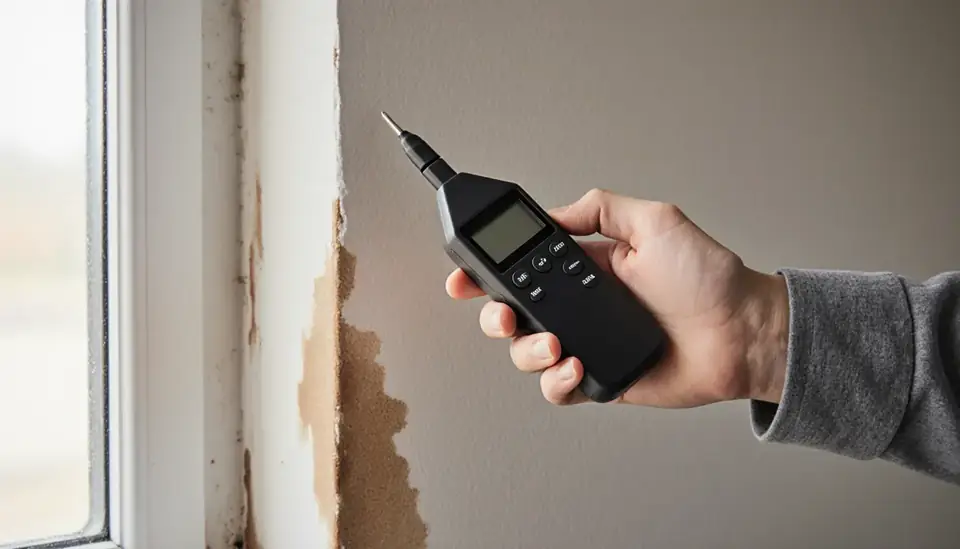
Wet winters and floodwater that leaves silt inside walls create good conditions for mold. Growth can start within a day or two on drywall, wood and fabrics, and contaminated floodwater adds bacteria to the mix. After a flood, a provider will usually clean and disinfect cavities before drying them, then confirm with moisture readings that framing is dry. Lingering musty odors after a repair are a sign that something was closed up too soon.
Neighborhoods and Nearby Communities
Calls come in from across Tukwila, including:
- Allentown
- Foster
- Riverton
- Ryan Hill
- McMicken Heights
- Duwamish
- Tukwila Hill
The same line also serves nearby communities such as:
Tukwila Water Damage Questions
My Tukwila property is behind a levee. Do I need flood insurance?
Levees reduce flood risk but do not eliminate it, as the December 2025 Desimone levee breach showed. King County's floodplain maps show levee-protected areas separately from mapped floodplains so owners can see their exposure. Standard homeowners and commercial policies generally exclude rising water. Talk with your agent about flood coverage, keeping in mind that new flood policies often have a waiting period before they take effect.
How can I find out when the Green River is rising?
King County's flood warning system monitors the Green River and sends alerts by email, text or phone call as conditions reach higher flood phases. The county also runs a flood warning app with real-time river information and a road closure map. ALERT King County sends broader emergency notifications, including evacuation orders, to registered addresses.
A sprinkler line burst in our warehouse. Who should we call?
Shut down the sprinkler zone only through your fire protection contractor or as your system procedures allow, and notify the fire department if required. Move inventory off wet floors, photograph everything, and contact your commercial insurer. Then call (888) 317-9980 to be connected with an independent restoration provider who can extract water and set up drying for large spaces.