
Between 1950 and 1957, the area that is now Shoreline grew faster than anywhere else around Seattle, with its population rising 64 percent. Thousands of the houses built in that rush still stand between Puget Sound and the Lake Forest Park line, and many are now about seventy years old. Add a landscape that was once laced with wetlands, peat bogs and cranberry marshes, plus a newer wave of apartments around the light rail stations at 148th and 185th, and the city ends up with a wide mix of water problems packed into about twelve square miles.
For help now, dial (888) 317-9980, a free referral number staffed day and night. The call puts you in touch with an independent restoration provider that works in Shoreline, and that company inspects the damage and sets up the work with you.
How the call works: when you call (888) 317-9980, The Restoration Job connects you with an independent restoration provider that serves Shoreline. That provider inspects the damage, explains the scope and quotes the work. The Restoration Job doesn't perform restoration itself. Read our referral disclosure.
Postwar Houses and Aging Plumbing
A house from the 1950s may have had its kitchen and bathrooms remodeled twice, yet still hide original pipes in the walls and under the floor. Older galvanized lines corrode from the inside, and decades of patches can leave a mix of materials joined in places nobody remembers. The leak that finally shows up is often a slow one: a stained ceiling under a bathroom, a soft spot in the floor beside a tub, or a warped baseboard behind a washing machine.
Slow leaks matter because the water has had time to wick into framing and subfloor. Good water damage repair starts with finding the full extent of wet material, drying it properly, and only then rebuilding. Replacing a stained ceiling panel without drying the joists above it usually means doing the job twice.
Old Bogs, Small Lakes and Three Creek Systems
Shoreline sits on high ground, around 470 feet at its official elevation, but the land is far from uniformly dry. Echo Lake lies within city limits, and the city's edges touch Bitter Lake, Haller Lake and Lake Ballinger. Thornton Creek, Boeing Creek and McAleer Creek all have headwaters or reaches here. Before development, trails wound through peat bogs where Ronald Bog and Twin Ponds parks are today.
Former bog and marsh ground tends to hold water, and a house built near it can see a damp crawl space or seepage through a basement wall every winter. The city's Surface Water Utility works to reduce flooding and drainage problems, and residents can contact it about storm drains or ditches that back up. Inside the house, the fix is usually a combination of drying, better grading and gutter discharge, and sometimes drainage improvements recommended by a contractor.
Sewer Backups in Older Basements
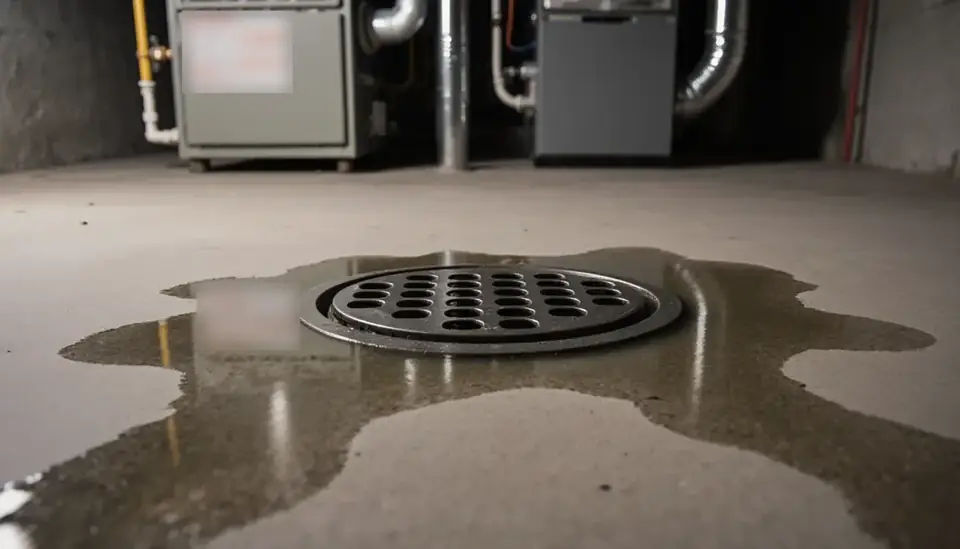
Basements and lower-level bathrooms in older homes are where sewer backups usually appear, through a floor drain, shower or toilet. Tree roots, sagging clay pipe and heavy rain all play a part. Sewage water is treated as contaminated, so affected carpet, pad and porous materials generally have to be removed rather than dried.
- Hold off on running taps, showers or the dishwasher until a plumber clears the line.
- Keep children and pets away from the affected area and avoid touching the water without gloves and boots.
- Call a plumber or sewer contractor to clear the line, and a provider for sewage cleanup to remove contaminated materials and disinfect.
- Ask your insurer whether your policy includes sewer or drain backup coverage, which is often an add-on.
Condos and Apartments Near the Light Rail Stations
The Shoreline South/148th and Shoreline North/185th stations brought new multifamily buildings to blocks that used to be single-family. In a stacked building, a leak from one unit's dishwasher or toilet supply line can reach two or three units below. Generally the association's master policy and the unit owner's policy each cover different parts of the building, and the governing documents decide who handles what. Report the leak to building management right away and take photos in every affected unit.
Wet Winters, Windstorms and Mold Prevention
Seattle-area winters deliver most of the year's rain in November, December and January, and the official station at Sea-Tac Airport recorded 5.02 inches in a single day on October 20, 2003. The December 2006 Hanukkah Eve windstorm brought 69 mph gusts to the region and long power outages. Storms like these tear shingles, drop limbs on roofs and leave homes unheated.
With cool, humid air for months, wet drywall and wood do not dry on their own in a reasonable time. Mold growth can start within a day or two. Running fans and a dehumidifier helps with a small spill, but for soaked walls or a wet crawl space, professional drying with moisture monitoring is the safer route.
Where Callers in the Shoreline Area Are
Calls come in from across Shoreline, including:
- Richmond Beach
- North City
- Echo Lake
- Richmond Highlands
The same line also serves nearby communities such as:
Questions From Shoreline Property Owners
My Shoreline house was built in the 1950s. Should I worry about the pipes?
Not necessarily, but age raises the odds of hidden corrosion or failing joints, especially where original galvanized lines remain. Watch for low water pressure, rusty water after the tap sits, or stains under bathrooms. If you are opening walls during a remodel, that is a good time to have a plumber look. After a leak, a restoration provider can check how far moisture spread.
Why is my crawl space wet every winter even though I'm not near the Sound?
Parts of Shoreline were wetlands and peat bogs before development, and the city still has creek headwaters and small lakes. Soils in those areas can stay saturated through the wet season. Gutters discharging next to the foundation make it worse. Drying the crawl space helps in the short term, but lasting improvement usually comes from grading, downspout extensions or drainage work.
A neighbor's leak is dripping through my condo ceiling near the light rail. Who should I call first?
Notify building management or the HOA right away so the source unit can be checked and the water shut off. Photograph damage in your unit, then contact your own insurer. Responsibility depends on the association's governing documents and policies. You can also call (888) 317-9980 to be connected with an independent restoration provider who can start drying and document conditions.