
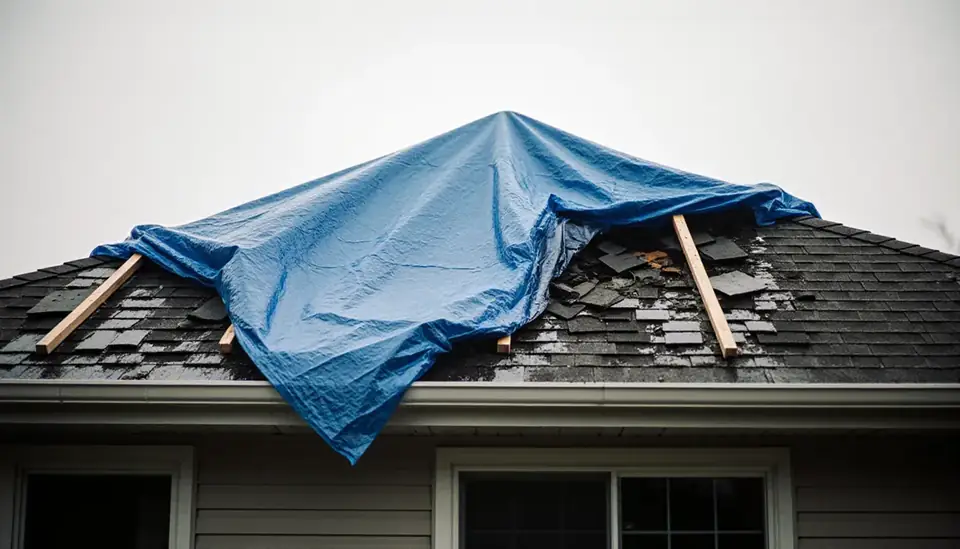
Edmonds faces Puget Sound along about five miles of shoreline, and the downtown sits in a natural bowl that slopes down toward the ferry terminal and the water. Several small streams cross that shoreline, and Puget Sound receives about 86 percent of the city's drainage. The remainder flows southeast toward Lake Ballinger on the Mountlake Terrace line. South of downtown, the 28-acre Edmonds Marsh preserves one of the few remaining saltwater marshes in the state.
The Restoration Job is only a referral service and charges callers nothing. Dial (888) 317-9980 any time of day and we will connect you with an independent restoration provider that serves Edmonds. The provider inspects, quotes and carries out the work under its own agreement with you.
How the call works: when you call (888) 317-9980, The Restoration Job connects you with an independent restoration provider that serves Edmonds. That provider inspects the damage, explains the scope and quotes the work. The Restoration Job doesn't perform restoration itself. Read our referral disclosure.
Lake Ballinger's History of High Water
Homes around Lake Ballinger have been flooded more than once. On New Year's Day 1997 the lake rose more than six feet above its normal level, damaging several waterfront houses, and a nearby sewer line overflowed into the lake. In December 2007 a similar event flooded three homes, with sewage contamination from three separate leaks. Hall Creek feeds the lake from the north, and McAleer Creek drains it toward Lake Washington.
The City of Edmonds now tracks the lake's water level through its stormwater utility. For homeowners near the lake, the lesson from those floods is that high water can bring sewage with it. That changes the cleanup: porous materials touched by contaminated water are generally removed rather than dried, and the area is cleaned and disinfected before rebuilding. Providers that handle sewage cleanup follow that sequence.
Bluffs Above the Rail Line
Between Shoreline and Mukilteo, the rail line along the water runs beneath bluffs roughly 80 to 100 feet high that are prone to landslides in winter. Slides there regularly halt Sounder commuter trains, which must stay suspended for at least 48 hours after each one. Washington's Department of Natural Resources notes that heavy rainstorms trigger most of the state's landslides, with wave erosion adding to the problem along coastal bluffs.
For property owners on sloped lots, saturated soil also means more water pressing against foundation and retaining walls. Watch for new cracks in the ground, doors that begin to stick, changes in how water drains across the yard, and seepage through a basement wall after long rain.
Older Homes in a City That Skews Older
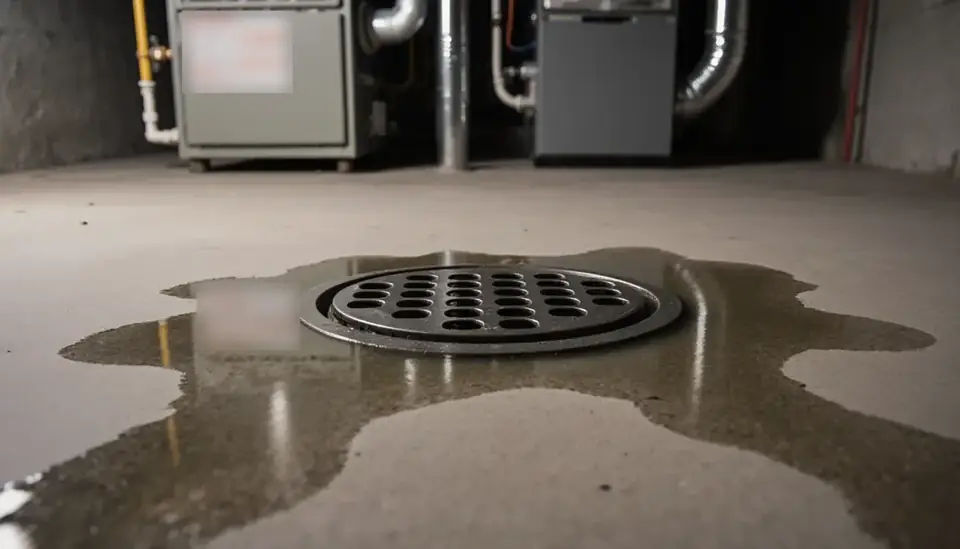
Edmonds has a median age above 47, older than much of the region, and its established neighborhoods such as Seaview, Sherwood, Westgate and Five Corners include plenty of long-held houses. Where a home still has original plumbing, an aging water heater or a roof near the end of its life, those are the likeliest leak sources. A slow leak under a sink or behind a dishwasher can go unnoticed for months in a home that is lightly used.
- Check under sinks and around toilets and water heaters a few times a year.
- Retire cracked rubber washer hoses before a winter of heavy laundry use.
- Know where the main shutoff is, and make sure it still turns.
- If you are away for the winter, consider shutting the water off while you are gone.
Marine Moisture and Hidden Mold
Air coming off Puget Sound keeps Edmonds damp much of the year, and that slows drying inside walls, attics and crawl spaces after a leak. Mold tends to show up in places that stay cool and still: closets on north-facing walls, behind furniture against exterior walls, and in bathrooms without strong ventilation. A small patch on a painted surface is often cleanable, but growth that keeps returning usually points to moisture in the wall cavity. In those cases, mold remediation means opening the wall, removing affected material and fixing the source.
Edmonds Alerts and First Steps
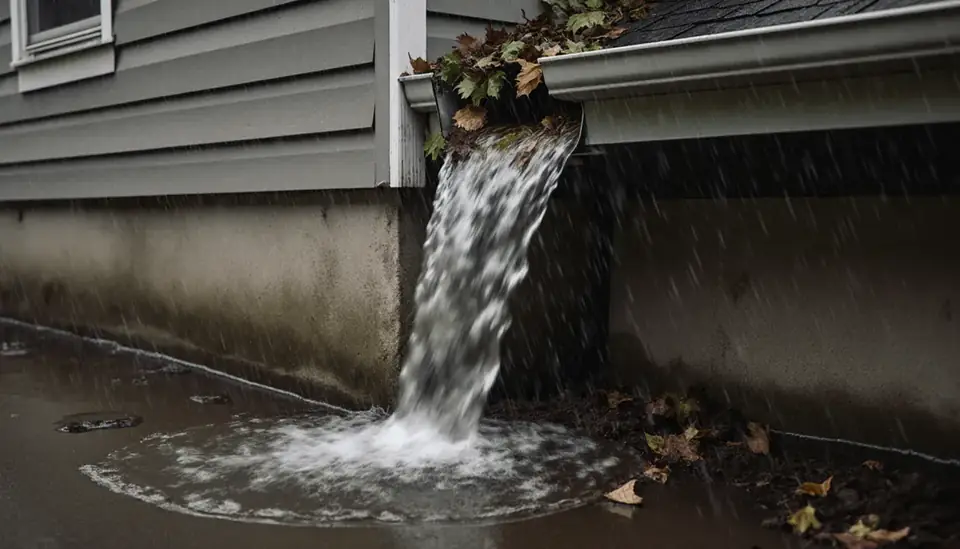
The City of Edmonds Office of Emergency Management works alongside Snohomish County and asks residents to register for Smart 911 alerts, choosing the City of Edmonds option for local notices. For water inside your home, stop the source if you can, photograph the damage, call your insurer and then call (888) 317-9980. If sewage or lake water is involved, keep children and pets out of the affected area until it has been cleaned.
Edmonds Neighborhoods and Surrounding Towns
Calls come in from across Edmonds, including:
- Downtown Edmonds
- Five Corners
- Firdale
- Perrinville
- Seaview
- Sherwood
- Westgate
The same line also serves nearby communities such as:
- Woodway
- Lynnwood
- Mountlake Terrace
- Shoreline
- Mukilteo
- Brier
Edmonds Water Damage Questions
Has Lake Ballinger flooded homes in Edmonds before?
Yes. On New Year's Day 1997 the lake rose more than six feet above normal and damaged several waterfront homes, with a nearby sewer line overflowing into the lake. In December 2007 another flood reached three homes and involved sewage leaks. If you live near the lake, check FEMA's flood maps for your address and keep an eye on the city's posted lake levels during long storms.
Should I worry about the bluffs if I live above the waterfront?
The bluffs along the rail line are prone to winter landslides, and heavy rain is the main trigger statewide. Most homes are not directly threatened, but saturated slopes can push water into basements and stress retaining walls. Washington DNR publishes landslide warning signs and mapping that owners of sloped lots can use to judge their own situation.
How should Edmonds residents get emergency alerts?
The City of Edmonds asks residents to sign up for Smart 911, the county's notification system, and to select the City of Edmonds option so they receive local notices. The Office of Emergency Management also publishes the city's emergency plan and preparation guides. Pairing those alerts with National Weather Service forecasts gives early warning before big storms.